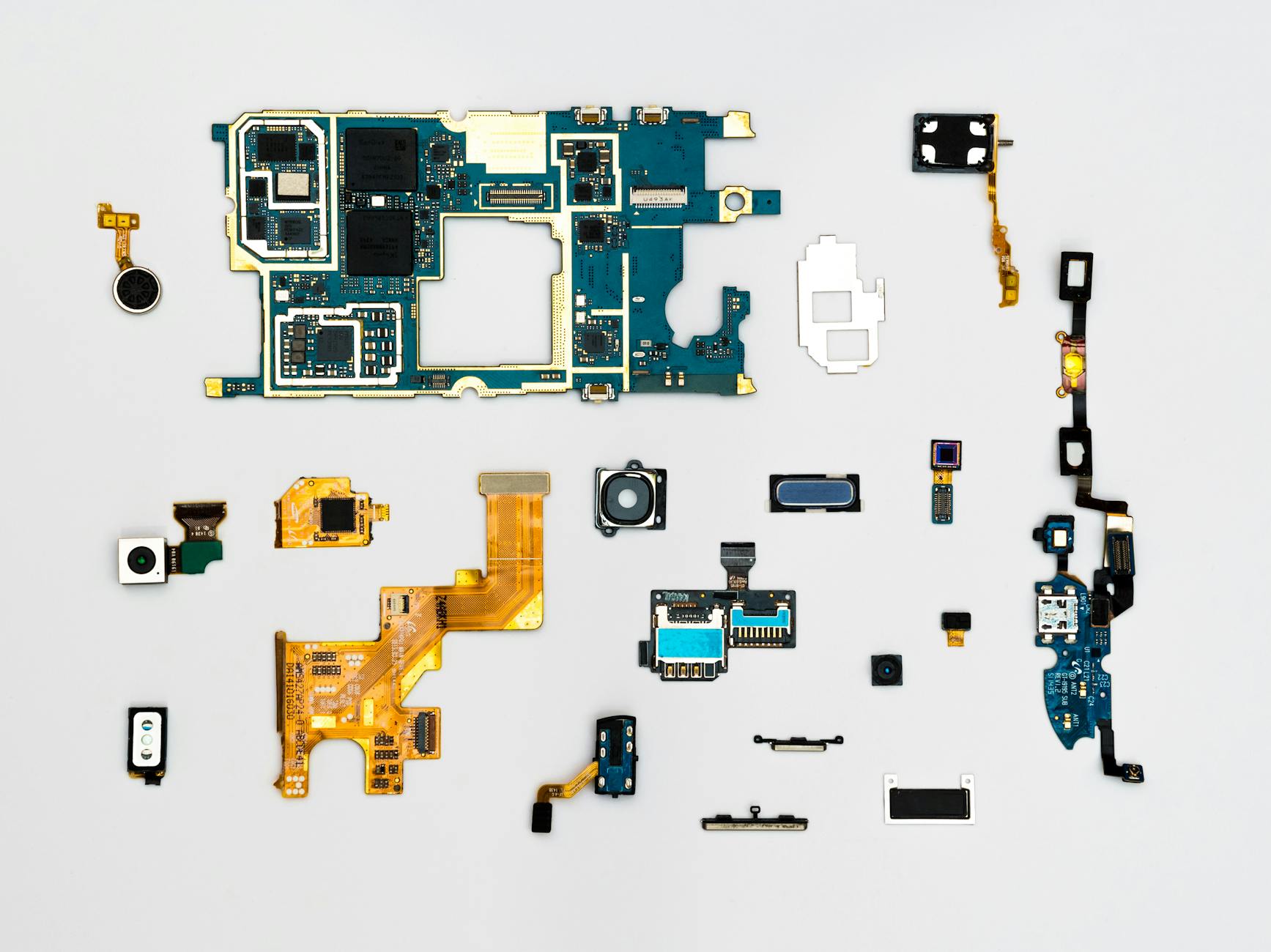
Huawei’s Mate 90 series expected to debut new Kirin chip this autumn
New Kirin chip and the announcement
Huawei (华为) said a new Kirin (麒麟) smartphone chip will arrive this autumn and is expected to debut in the Mate 90 series. He Tingbo, a Huawei board member and head of its semiconductor business, told attendees at the International Symposium on Circuits and Systems (ISCAS 2026) in Shanghai that the chip “uses logic folding technology for the first time.” The announcement positions Huawei’s next flagship line as the showcase for the company’s latest in-house silicon work.
What is “logic folding” and why it matters
Logic folding is being presented as a new design or packaging approach intended to increase integration density and performance; He’s comment suggests Huawei will apply the technique at a commercial scale. For Western readers unfamiliar with China’s chip scene: this is part engineering innovation, part practical response to limits on access to the most advanced foundry nodes. It has been reported that Huawei’s move toward new packaging and chip architectures is aimed at closing performance gaps with rivals from Qualcomm and Apple.
Geopolitical backdrop
The timing is not accidental. Since US export controls and allied supply‑chain restrictions tightened in recent years, Huawei has leaned on domestic research, advanced packaging and alternative chip strategies to sustain its smartphone business. It has been reported that such constraints have accelerated industry efforts across China to innovate in chiplet, packaging and integration techniques rather than rely solely on shrinking transistor nodes.
Outlook
If the Mate 90 ships this autumn with a logic‑folded Kirin, analysts will scrutinize real‑world performance and power efficiency versus incumbents. Can packaging and architectural tricks blunt the advantage of cutting‑edge foundries? Huawei’s announcement frames that as the next test for a company racing to reclaim flagship credibility under complex geopolitical pressure.