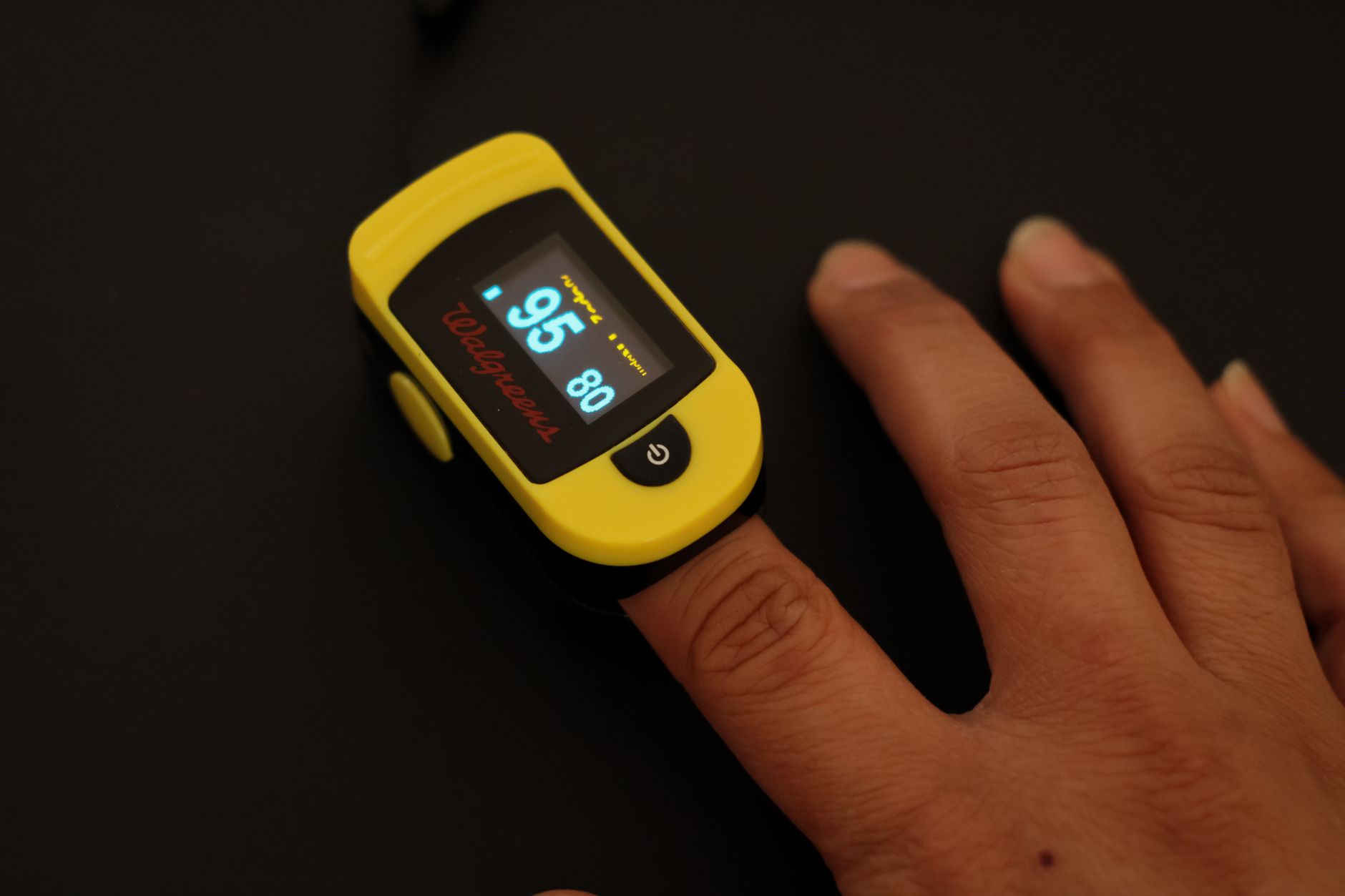
10‑second health checks and continuous monitoring reshape personal health, says Feipu Tech
Chinese startup Feipu Tech (飞谱科技) is pushing a bold idea: make non‑invasive health checks as quick and ordinary as scanning a barcode. It has been reported that the company combines consumer‑facing artificial intelligence with computational biology models to deliver baseline health metrics in roughly 10 seconds, and to support longer‑term, continuous monitoring through integrated devices and apps. Could a ten‑second test become part of a morning routine? Feipu says yes.
What the system does
According to reports in TechNode, Feipu’s approach layers lightweight, AI‑driven inference on physiological signals captured without blood draws or invasive sampling. The company reportedly uses algorithms trained on population‑level biological models to infer things like cardiovascular indicators and metabolic risk from short sensor reads. The pitch to consumers is speed and convenience: instant checks for everyday health decisions, with optional continuous tracking to spot trends rather than one‑off readings.
Context and challenges
For Western readers unfamiliar with China’s ecosystem: domestic startups like Feipu thrive in a market where mobile apps, smart devices and health‑care digitization interlock quickly, and where an ageing population increases demand for home health solutions. But there are hurdles. Medical device approval and clinical validation remain tightly regulated under China’s National Medical Products Administration; personal data protections under the Personal Information Protection Law (PIPL) restrict how biometric data can be processed and moved. It has been reported that Feipu is pursuing pilot programs and regulatory clearances, but independent clinical validation and data‑privacy assurances will determine whether the technology moves from novelty to mainstream.
Feipu’s pitch also has geopolitical implications. If the company seeks overseas markets, it must navigate export controls on advanced AI hardware and growing scrutiny of cross‑border health data flows. For now, the key question for investors, regulators and consumers alike is whether ultra‑fast, non‑invasive checks can be both accurate enough for health decisions and robust enough to earn public trust.