The dilemma of the "Xinjiang 'Milk King'": milk prices have fallen, cows sold, and markets outside Xinjiang are shrinking
Expansion paid for with debt and inventory
Tianrun Dairy (天润乳业) briefly breathed easier after a 2026 Q1 report showed a year‑on‑year swing back to profit. But that respite masks the cost of more than a decade of national expansion. Once a regional success story—its viral Aiklin (爱克林) yogurt made Tianrun a household name—management moved from product-led breakout to an aggressive, capital‑intensive “go national” strategy: acquisitions, new factories and a 9.9 billion yuan convertible bond to fund a 200,000‑ton processing project and working capital.
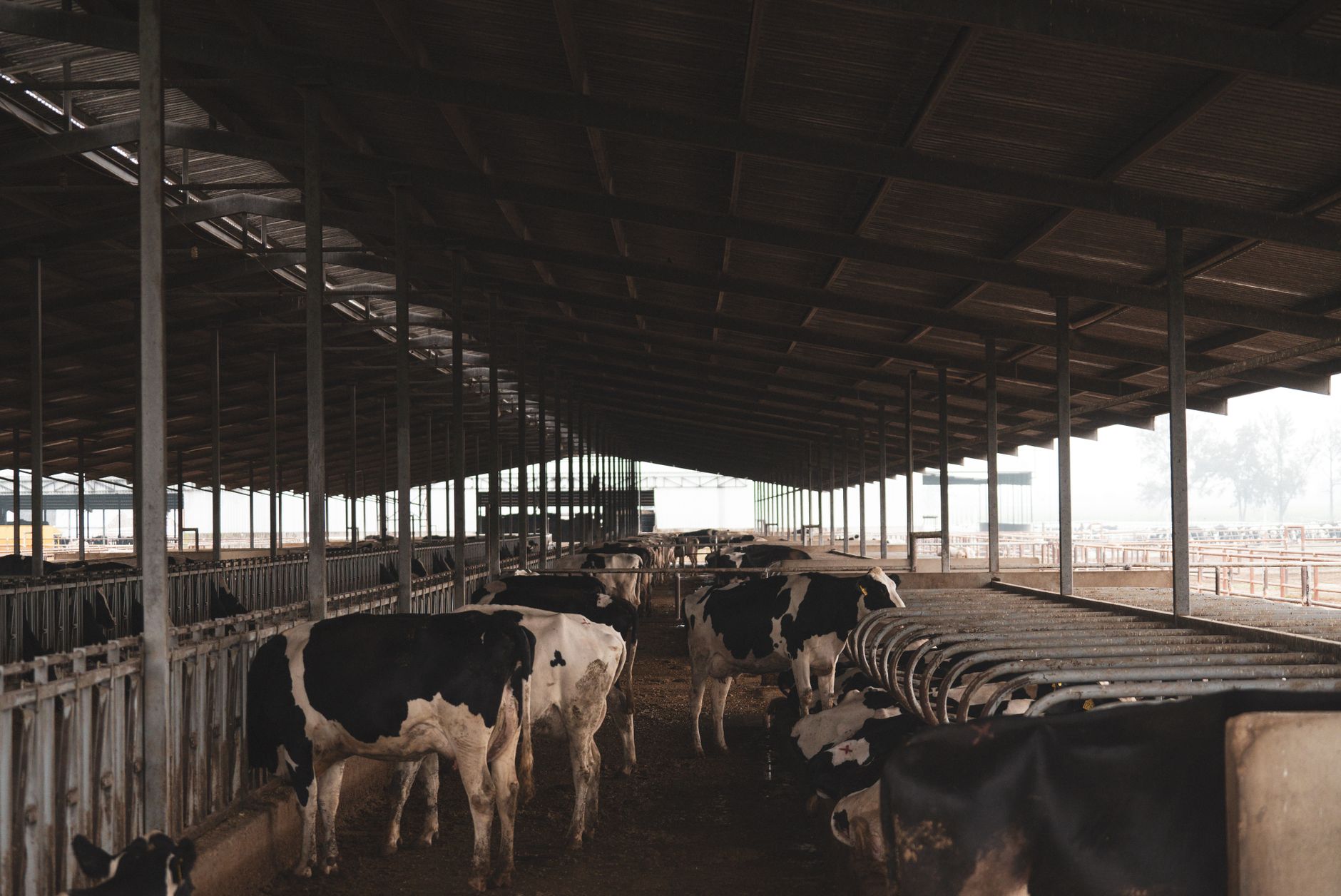
The bets did produce scale. By 2024 Tianrun’s off‑Xinjiang revenue briefly topped in‑region sales (13.65m vs 13.59m yuan, reported as 亿元). But rapid capacity additions and inventory accumulation reversed the momentum. By end‑2024 inventories had doubled to 6,102.08 tonnes and cyclical milk prices fell as domestic output surged past 40 million tonnes. The company has reported large one‑time write‑downs and has trimmed its herd from about 65,000 to 50,100 head in 2023–25, disposing low‑yield cows and bulls to limit losses.
Acquisitions, stalled projects and fragile channels
Tianrun’s 2023 acquisition of Aral Xinong (阿拉尔新农乳业) for 326 million yuan was meant to strengthen southern Xinjiang supply and give footholds in Zhejiang, one of its target provinces. But it brought more than 700 million yuan of debt and recurring interest costs. It has been reported that planned pastoral projects tied to that deal are paused and several New‑farm subsidiaries have entered bankruptcy liquidation, creating bad‑debt exposure in the Zhejiang channel. The company also booked disposal gains and impairments—114m and 225m yuan in 2024–25 respectively—underlining the squeeze on balance‑sheet resilience.
For Western readers, note that Xinjiang’s products sometimes face heightened geopolitical scrutiny; domestically, however, Tianrun’s pain is mostly commercial: mis‑timed capacity builds, rising logistics subsidies (a dedicated “out‑of‑Xinjiang freight subsidy” that climbed sharply) and a market shift toward chilled dairy, where Tianrun’s product mix remains relatively heavier in ambient milk.
What now — retrench or double down?
The core question is simple: was Zhongxin a failed bet, or a long‑cycle investment awaiting a market turn? Tianrun’s 2026 Q1 profit recovery shows some stabilization. But off‑region sales slipped again in 2025 to 1.215 billion yuan (down 22% year‑on‑year), and management faces a choice—further asset sales and retrenchment, or endurance of high leverage while hoping chilled‑milk trends and brand traction improve. Can a company built on Xinjiang milk successfully reposition in a crowded national field? The coming year will tell whether the “Milk King” can turn its herd reduction and factory investments into sustainable margins, or whether the cost of its three‑round expansion will keep weighing on its balance sheet.