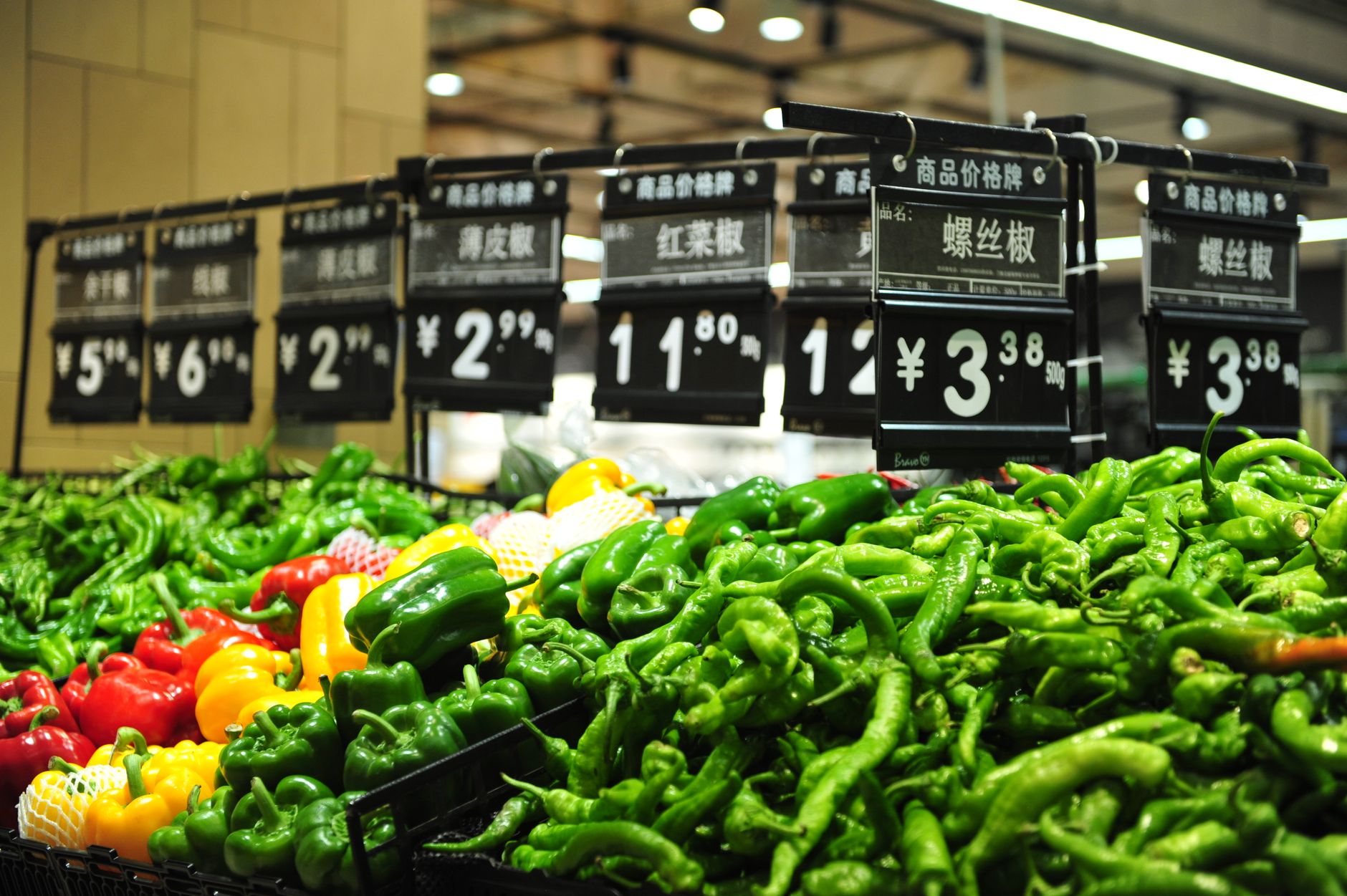
Who Will Carry the 'Art' of Selling Vegetables to Greater Heights?
The renewed scramble for the vegetable basket
China’s retail giants are once again converging on the humble grocery basket. Meituan (美团), Pinduoduo (拼多多), Yonghui (永辉), RT‑Mart (大润发), Alibaba (阿里巴巴) with its Hema (盒马) chain, and foreign names such as Sam’s Club (山姆) and ALDI (奥乐齐) all want one thing: daily, habitual footfall. Why? Because nothing locks a consumer into an ecosystem like feeding them three times a day. It has been reported that even snack incumbents — Bestore (良品铺子) and Three Squirrels (三只松鼠) — are expanding into fresh to capture that steady traffic.
Three axes of competition
On the ground, the battle is being fought along three vectors. One is breadth and convenience — Hema’s multi‑format matrix that ranges from high‑end fresh stores to community outlets and ultra‑fast delivery. Another is supply‑chain depth and consistency — Sam’s Club and players like Yonghui lean on privileged upstream relationships and tight cold‑chain control to sell “no‑surprise” quality at a premium. The third is service and curation — regional champions such as Pang Donglai (胖东来) win loyalty by doing the small, tedious things well: pre‑trimming, strict in‑store quality controls and removing customer hassle. Which axis matters most? All of them — but success will depend on which combination a player can scale reproducibly.
Who can truly scale the craft?
Selling fresh is a test of retail fundamentals: ruthless cost control, right‑place‑right‑size stores, SKU discipline and supply‑chain muscle. It is also a political and geopolitical question. Overseas suppliers and cold‑chain logistics operate amid shifting US‑China trade dynamics and tighter scrutiny of cross‑border food flows, making supplier resilience a strategic asset. Reportedly, the eventual winner won’t be the flashiest nor the cheapest subsidizer, but the player that turns low prices into a structural advantage, maps stores into consumers’ daily routines, and — crucially — replicates the model across hundreds or thousands of neighbourhoods. So who will carry this “art” to greater heights? For now, the field remains open: tech platforms, old‑school chains, foreign discounters and regional service masters all have plausible paths — and the next phase of consolidation will tell us which one truly mastered the craft.