Not flashy, focused on execution: a cohort of robotics IPOs rises in Tianjin
A quiet IPO wave from Tianjin’s industrial heartland
A cluster of Tianjin-based robotics firms is quietly moving toward public markets, signaling a shift from isolated breakthroughs to system-level industrial strength. Atom Robotics (阿童木) filed for listing on the Hong Kong Exchange on January 28 aiming to become the first listed parallel‑robot specialist; Wangyuan Technology (望圆科技) has twice refiled for Hong Kong listing and is reportedly the world's largest supplier of cordless pool‑cleaning robots; and Deep Blue (深之蓝) updated its prospectus for China’s Sci‑Tech Innovation Board (科创板) as a candidate for the A‑share “underwater robot” first mover. It has been reported that Atom has held the top domestic market share for parallel robots for two consecutive years.
Practical machines, not gimmicks
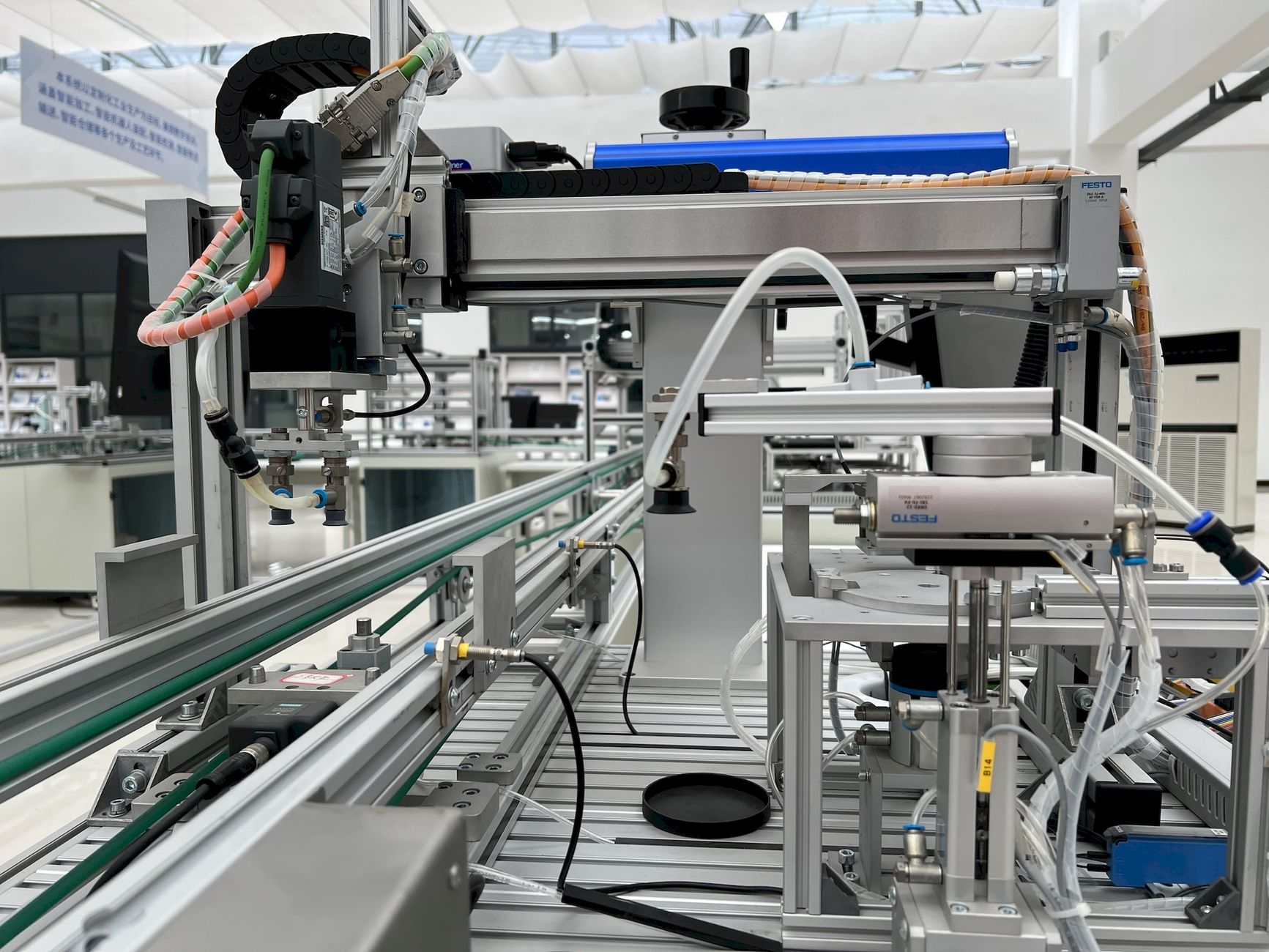
What ties these companies together is less ambition to mimic human form and more a focus on solving heavy, dirty or repetitive industrial problems — from Deep Blue’s 7,000‑metre underwater gliders used in national projects to Atom’s high‑speed parallel arms and Langyu’s (朗誉) heavy‑duty AGVs that can move 600 tonnes. Why chase headlines when you can win contracts? Tianjin firms emphasise rugged, task‑oriented designs (multi‑arm cells, wheeled humanoids with parallel waists, four‑legged inspection robots) and have also moved upstream: Passini (帕西尼) is producing tactile sensors at scale, reportedly supplying a large share of global humanoid makers.
Cluster dynamics, policy push and geopolitics
Tianjin’s rise is rooted in century‑old manufacturing depth and a growing local ecosystem: more than 200 robotics firms, high local component content (about 65% by one count) and targeted municipal support such as the “2025–2027 AI innovation” action plan and dedicated industrial funds. The timing matters. China’s drive for supply‑chain autonomy and the broader US‑China technology competition — including export controls on advanced components — make domestic, end‑to‑end robotics capabilities strategically attractive. These IPOs are therefore not just commercial exits; they are part of an industrial policy moment where capital markets, local supply chains and state procurement converge to scale “practical” robotics for hard manufacturing, maritime security and hazardous operations.
From single products to a collective moment
For Western readers who associate China’s robotics scene with flashy humanoids or high‑profile AI labs, Tianjin offers a different lesson: industrial depth beats optics. These firms may lack glamour, but together they represent a coordinated push to translate decades of heavy‑industry know‑how into repeatable, investable robotics businesses. The question now is whether capital markets will value steady execution over spectacle — and whether this cohort can sustain scale amid intensifying global technology rivalry.