Smart products gone cute: are "潮玩" phones and plush robots a growth hack or just smart junk?
The new playbook: emotion over engineering
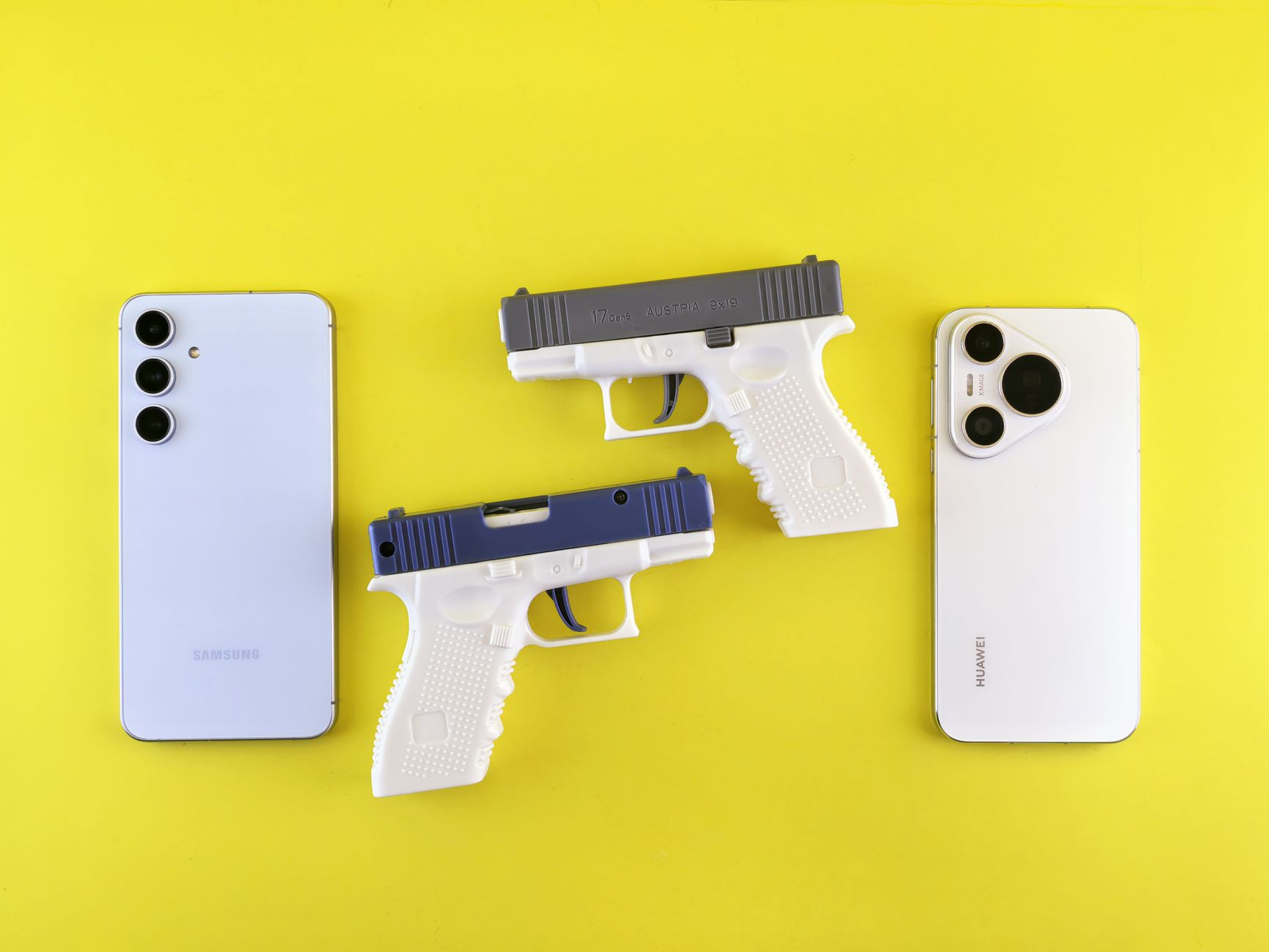
China's tech and appliance makers are slapping toys on hardware. Honor (荣耀) has teamed with Pop Mart (泡泡玛特) for a MOLLY‑themed phone; Baidu (百度) rolled out a blocky "潮玩" smart speaker; Huawei (华为) launched a plush AI companion robot. It has been reported that Pop Mart's LABUBU refrigerator — originally priced at ¥5,999 — briefly traded for as much as ¥99,000 on secondary markets, a sign of how emotional value can wildly outperform functional value. Why the pivot? Because functional innovation has stalled and emotional premiums are an easier, faster way to revive sales.
Demand fatigue and the rise of skin‑deep innovation
The pivot follows a longer pattern: early "smart" features once redefined product categories. Now many consumers see "pseudo‑smart" add‑ons — flaky voice control, app‑only toggles that fail when the network dips — as gimmicks rather than upgrades. According to a LotoTech report, Chinese smart speaker shipments fell to about 15.7 million units in 2024, down roughly 25.6% year‑on‑year. Faced with slowing growth, firms are chasing the潮玩 logic: change the skin, keep the guts, and sell a mood. The result is a flood of IP tie‑ins and cute casings that lower technical entry barriers but raise questions about longevity.
Short runway and real risks
That strategy is fast and cheap — and therefore easy to copy. Trend saturation and a mismatch between "toy" expectations and durable appliance needs create tension: consumers want both good looks and reliable performance. Early evidence of mismatch is visible in high return rates for AI playthings on some platforms and the rapid commoditization of similar designs. Pop Mart's spectacular 2025 revenue surge reportedly masked market skepticism — its shares fell more than 35% in the five trading days after a blockbuster earnings release — suggesting capital markets are already asking whether emotional premiums can sustain margins long term.
A path beyond lipstick on hardware
There is another path: let IP and design participate in core function, not just the exterior. Nintendo's themed alarm product — where game audio and immersive wake‑scenes are woven into the device's main use — shows how emotional value can be durable when it enhances utility. In China, makers that integrate character, touch and multimodal feedback into genuinely better experiences may avoid the "cute fad" trap. Geopolitical headwinds and export controls are also tightening the margins for deep hardware innovation, so for many domestic firms emotional design may remain a necessary strategy — but not a sufficient one. The real test will be whether these products still feel worth owning after six months, not just at unboxing.