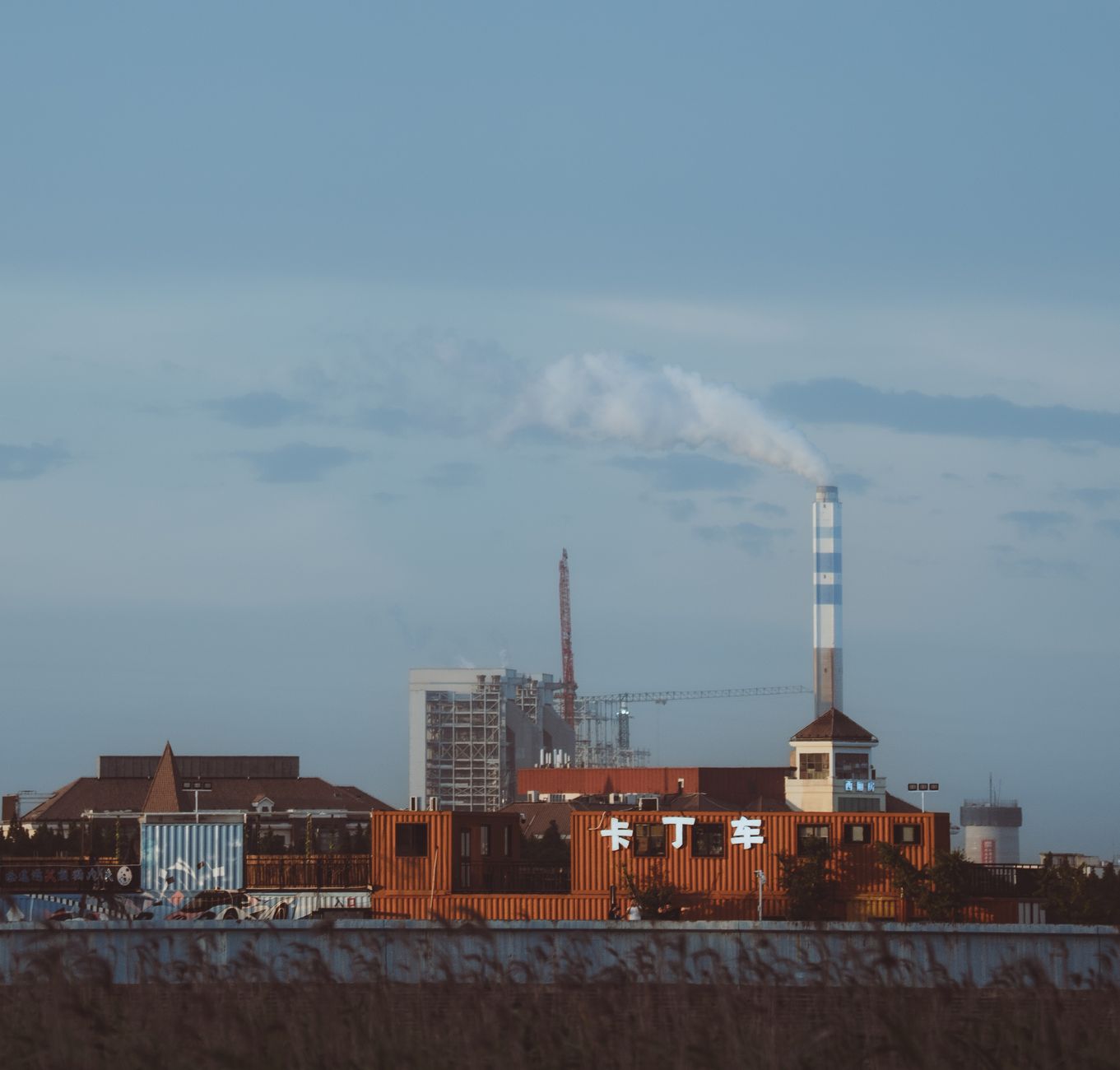
With an Annual Revenue of Hundreds of Billions, When the World Turns Dark, This Small Town in Guangdong Is Just Getting Started
A giant in disguise
A small town in Guangdong (广东) has quietly built an industrial engine that, it has been reported, generates annual revenues in the "hundreds of billions" of yuan. The story, first reported by TMTPost, reads like a paradox: narrow streets, family-run workshops and low-rise factories — yet the economic output rivals that of much larger cities. How did a place that feels provincial on the surface become so central to China’s manufacturing machine?
Scale, specialization and the supplier web
The town’s strength, reportedly, lies in deep specialization and tightly knit supplier networks. Local firms focus on narrow parts of the value chain — stamping, assembly, testing — and feed tier-one manufacturers across electronics, appliances and automotive sectors. That model helped China dominate global trade for decades: nimble suppliers, low costs and massive scale. When foreign brands and global buyers come calling, a single town can multiply orders into enormous aggregate revenue.
Headwinds and the pivot
But the world is changing. Trade friction, US export controls and broader geopolitical tensions have reshaped demand for some upstream goods. It has been reported that the town is responding by upgrading automation, moving toward higher-value components and courting domestic clients to reduce exposure to export shocks. Local governments and industry associations, reportedly, are also pushing policies to help firms retrain workers and invest in R&D. The question now: can narrow, scaled specialization evolve fast enough when the rules of trade are shifting?
Why Western readers should care
This is not just a local story. The resilience and adaptation of such manufacturing hubs matter to global supply chains, to companies seeking reliable partners, and to policymakers weighing sanctions or reshoring incentives. If a small Guangdong town can pivot from export dependence to higher-value domestic and global markets, it alters the calculus for trade policy and corporate sourcing. For observers of China’s economy, the lesson is clear: look past city skylines to the towns where the real industrial work still gets done.