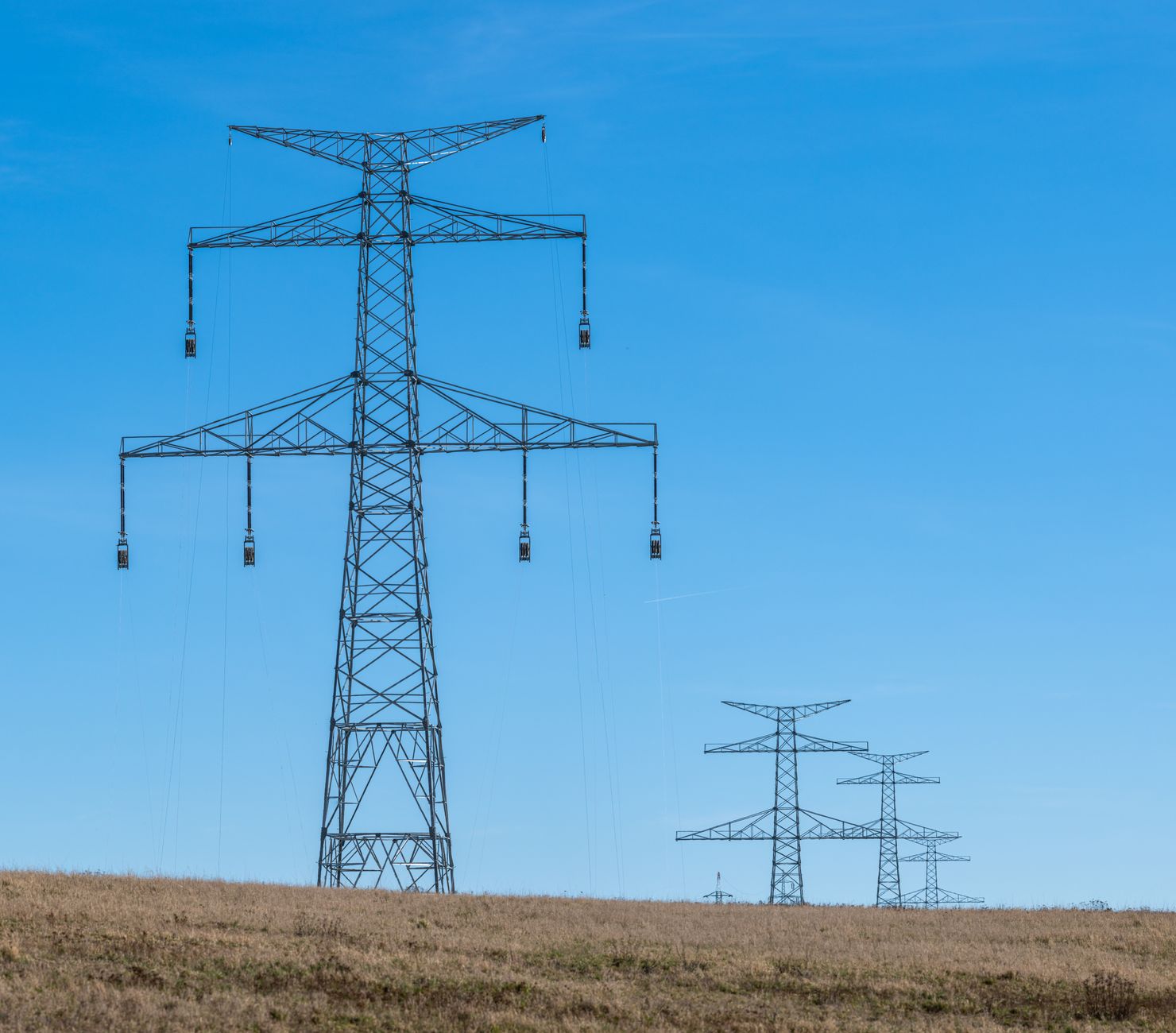
China's Electricity Market: Forging Its Own Path
Shifting Focus in the Electricity Market
Recent discussions surrounding China's electricity market (电力市场) have shifted from whether to implement market reforms to the extent of those reforms. According to the National Energy Administration, by 2025, the total electricity trading volume is expected to reach 6.6394 trillion kilowatt-hours, accounting for 64% of total consumption. Cross-province transactions are set to hit 1.5921 trillion kilowatt-hours, and green electricity transactions will rise significantly, featuring a 38.3% year-on-year growth. Such figures indicate that market-based trading has entered a systematic operational framework, moving beyond preliminary discussions.
The energy mix is also undergoing a transformation. By the end of 2025, renewable energy capacity is projected to reach 2.34 billion kilowatts, comprising about 60% of the total installed capacity. Wind and solar power are expected to surpass thermal power, fundamentally altering the market's operational conditions. What does this mean for the future? It suggests that the focus will not only be on increasing renewable energy but also on managing the inherent fluctuations of a system heavily reliant on these resources.
Learning from the U.S. Market's Maturity
The United States electricity market has established a sophisticated risk management system that China could learn from, albeit not replicate. The U.S. market emphasizes a comprehensive approach that combines spot markets with financial contracts, hedging, and risk transfer mechanisms. As reported, the trading volume in the U.S. market is anticipated to reach 7.8 trillion kilowatt-hours by 2025, significantly surpassing the projected total consumption.
However, the complexities faced by China, such as its larger scale and varied load structures, suggest that simply adopting the U.S. model would be impractical. The Chinese market operates within a vast resource allocation network and needs to accommodate a higher proportion of renewable energy. As such, the challenges of price formation, balancing responsibilities, and resource adjustments are more pressing for China, requiring a tailored approach to market reform.
A Unique Path Forward
China’s electricity market will certainly evolve toward more robust price signals and enhanced trading frequency, but it will not follow the same trajectory as the U.S. Instead, China must grapple with its unique challenges, which include managing a higher share of renewable energy resources and complex inter-provincial coordination. While the U.S. market has seen a shift towards financialization, China’s approach will focus on ensuring energy security and price stability amid rising volatility.
As the market matures, the emphasis will increasingly be on volatility management, including pricing strategies, long-term contracts, and cross-regional optimization. This evolution will necessitate an advanced understanding of how to integrate flexibility resources, such as energy storage and demand response, into the trading framework. The ability to analyze and predict factors like weather impacts on energy output will become a competitive advantage in this new landscape.
In summary, while China's electricity market is on a path toward greater sophistication, it is essential to recognize that the solutions will be distinctly Chinese. The real challenge lies in transforming volatility into manageable risks and developing a market that can thrive in a high-renewable environment. As the market continues to grow, it will be the organizations that can adapt to these complexities that will emerge as leaders in the sector.