Chips heading overseas — could they conquer Japanese automakers?
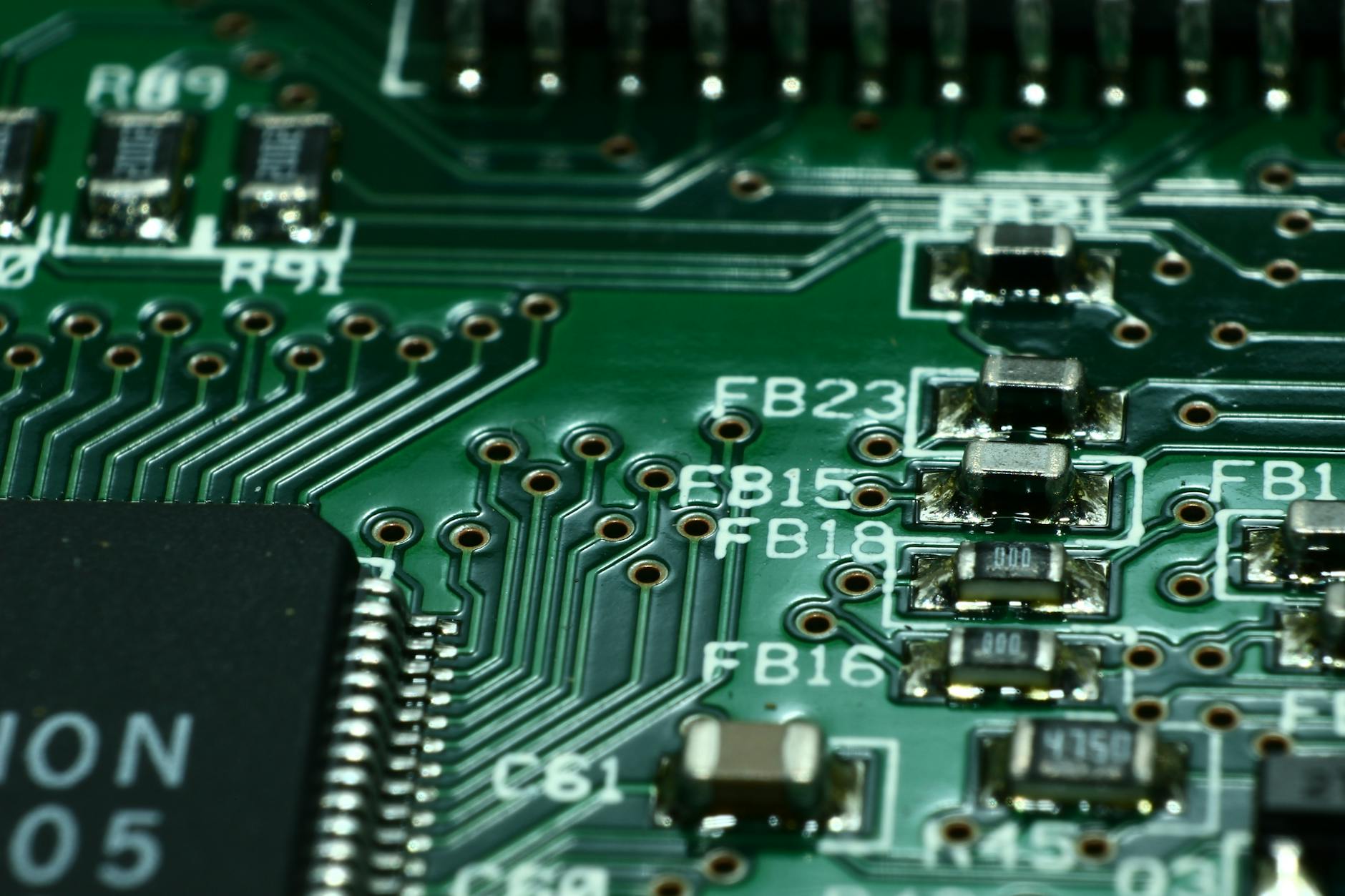
It has been reported that Toyota and Suzuki will use China-made system-on-chip (SoC) processors in vehicles sold outside China — a first for Japanese automakers. If true, it would mark a reversal of decades-long sourcing norms that saw carmakers buy safety‑critical chips mainly from European, U.S. and Japanese suppliers. Can Chinese automotive silicon move from price alternative to global standard? The trend suggests yes, but the path is far from guaranteed.
From import dependence to export push
Chinese chip exports have surged. Customs data show China’s chip exports rose from US$60.9 billion and 153.5 billion units in 2014 to about US$201.9 billion and 349.5 billion units in 2025. Automotive chips were long dominated by Infineon, NXP, STMicro and Texas Instruments, because car-grade silicon must meet stringent reliability and certification requirements. As China sought “self‑reliance” amid rising geopolitical tensions and post‑2018 supply shocks, domestic makers accelerated investment in automotive ASICs, MCUs and IGBTs. The result: a supply base ready to follow China’s major EV exporters overseas. China Association of Automobile Manufacturers data underline why chips matter now — a fuel car uses 600–700 chips, while a new-energy vehicle needs about 1,600.
How Chinese chips won buyers
Three factors explain the shift. First, car and chip exports moved together: Chinese automakers such as BYD (比亚迪) and Geely have built scale abroad, creating demand for locally optimized components. Second, faster technical progress removed the “cheap substitute” stigma. Horizon Robotics (地平线) and Black Sesame Intelligent (黑芝麻智能) are in the global cabin-and-driving‑domain race; Li Auto (理想) says its self‑developed Mach‑100 is made on 5nm and delivers 1,280 TOPS and won an ISCA industrial paper slot, while NIO (蔚来) claims its Denji NX9031 provides Orin‑X‑class throughput and reduces per‑vehicle semiconductor cost by roughly ¥10,000. Third, new EV architectures — central computing and “cockpit‑and‑drive” SoCs — create greenfield opportunities where incumbents and newcomers start on roughly equal footing.
Outlook: momentum, but not yet dominance
The export momentum is clear, and it has been reported that Japanese press sees Chinese chips as necessary for competitive pricing as Chinese car exports grow. Yet car semiconductors are a long‑cycle business: certification, quality validation, long product lifetimes and geopolitical headwinds (export controls and trade frictions) remain constraints. As Horizon founder Yu Kai put it, commercial success is whether you materially make partners more competitive. Chinese suppliers can now help do that — the next question is whether they can sustain trust, certification and long‑term support to truly displace entrenched Western and Japanese suppliers in global auto platforms.