The 10‑billion‑yuan food‑delivery war quietly feeds SF Express (顺丰控股)
Instant‑delivery boom lifts results
SF Express (顺丰控股) delivered a milestone: full‑year revenue topped RMB 308.2 billion with net profit of RMB 11.1 billion — solid, but not spectacular. The surprise was where the momentum came from. Same‑city instant delivery, not core parcel volumes, was the fastest‑growing line: revenue from that unit hit RMB 12.72 billion (127.2亿元), up 43.4% year‑on‑year and with net profit roughly doubling to RMB 280 million. How did a courier giant benefit so visibly from a food war? Because when platforms poured subsidies into instant retail, they created an acute, short‑term shortage of riders — and SF’s independent last‑mile arm stepped in to fill the gap.
What happened during the food‑delivery fight
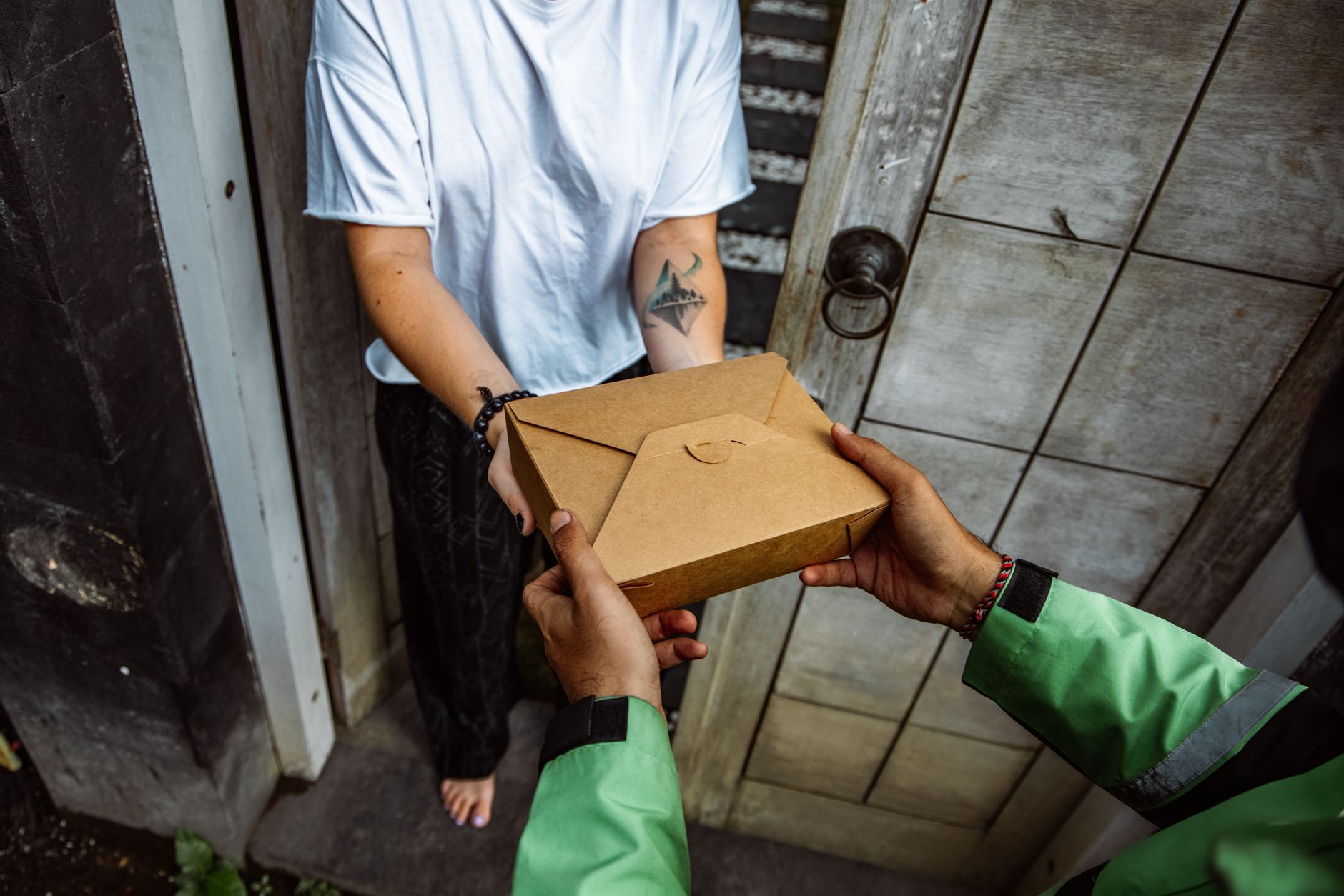
Beginning in April, JD.com (京东), Meituan (美团) and Taobao Flash Sale (淘宝闪购) unleashed aggressive couponing and subsidies to grab instant‑retail share, reportedly pushing daily orders toward a peak that several industry sources put near 250 million. Platforms scrambled for riders; incentives and overtime could only stretch human capacity so far. SF’s same‑city network, positioned as a third‑party specialist and not an in‑house restaurant delivery arm, became a natural capacity backstop. Order volumes for SF’s same‑city service rose more than 55% year‑on‑year, with merchant‑facing revenue up about 60% and consumer‑facing revenue rising 13.7%.
Industry dynamics: price war cooling, costs rising
The parcel industry has been dragged down by years of price competition: average unit prices collapsed from over RMB 15 in 2013 to about RMB 7.62 in 2025. Regulators have urged an end to "inner‑platform" bloodletting, yet carriers faced a new push to raise prices after global fuel costs climbed. Major carriers — including ZTO Express (中通), YTO Express (圆通), STO Express (申通), Yunda (韵达) and J&T Express (极兔) — and SF adjusted pricing upward in early 2026, with SF holding single‑ticket revenue around RMB 15. Even so, SF’s gross margin slipped to 13.07% in 2025, down 0.61 percentage points, as it boosted frontline incentives and invested in higher‑quality services.
Longer game: tech, supply chains and geopolitics
SF is no longer only a parcel company. It has been expanding through acquisitions and partnerships — from domestic freight plays to taking on DHL’s China supply‑chain operations and a stake in Kerry Logistics (嘉里物流) — and it aims to trade up into higher‑margin B2B and cross‑border services. But international ambitions face geopolitical headwinds and a shifting trade environment that can sap profitability. It has been reported that SF’s proprietary logistics large‑language model now consumes more than 100 billion tokens daily and that the group deploys over 5,000 intelligent agents; unmanned delivery vehicles are reportedly lifting last‑mile efficiency by roughly 30% while cutting costs by about 25%. Is the instant‑retail windfall a lasting cure? Not by itself. The food‑delivery war gave SF a timely, lucrative fillip — but sustainable gains will require tighter operations, deeper tech integration and navigating geopolitics as SF pushes further overseas.