Who is 'bleaching' Chinese people's chicken feet? March 15 Gala exposes the dark industry chain
What the 3·15 gala revealed
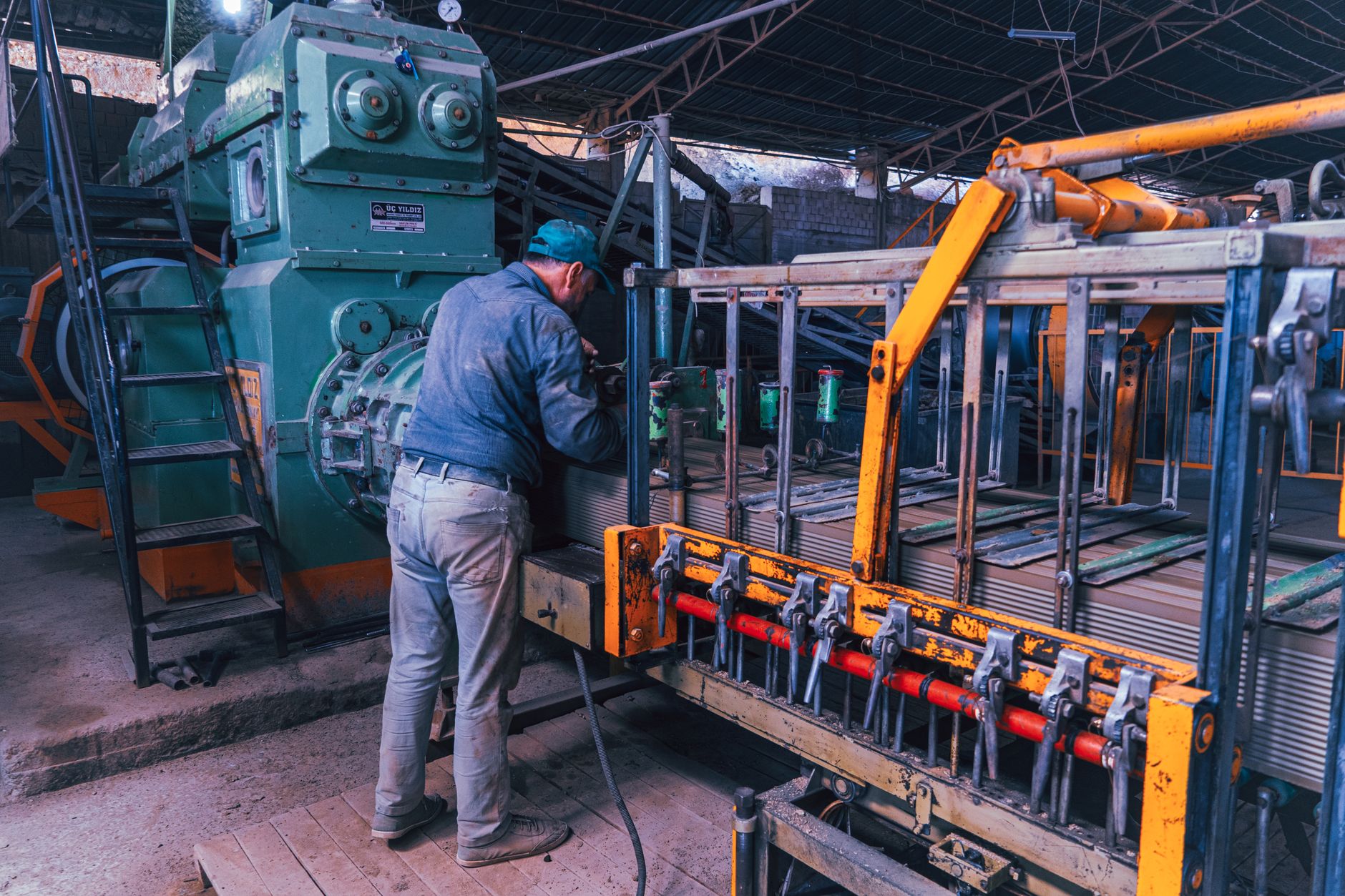
China’s state‑run 3·15 consumer rights gala reportedly exposed a network of factories using industrial hydrogen peroxide to “bleach” chicken feet, turning discolored, smelly product into the bright white snacks shoppers expect. Reporters who entered a processing room used by Chengdu Mingyang Food Co., Ltd. (明扬食品有限公司) found filthy working conditions and blue barrels labeled “hydrogen peroxide” with concentrations up to 35%; workers at Sichuan Shufuxiang Food Co., Ltd. (蜀福香食品有限责任公司) reportedly admitted the practice. Chongqing Zeng Qiao Food Co., Ltd. (曾巧食品有限公司), owner of the Guai Xifu (乖媳妇) brand, is also named among the implicated companies. Multiple e‑commerce platforms have since removed related listings, and some brand partners say they have cut ties.
A legal and health red line
Hydrogen peroxide (双氧水, H2O2) has limited, regulated uses in food processing under China’s GB 2760‑2024 standard and is explicitly banned for bleaching chicken feet and other meat products; it must not remain in the final product. Using industrial‑grade peroxide to mask spoilage is not just fraud. It creates real health risks: regulators warn chronic ingestion can harm liver and kidney function, and the process raises the probability of bacterial toxin exposure. It has been reported that some of the companies implicated have prior food‑safety and environmental violations, underscoring systemic control lapses.
Why a “side product” turned into a supply‑chain headache
For Western readers: chicken feet are a mass‑market Chinese delicacy and have become a lucrative, fast‑growing category — far beyond a niche snack. China consumes hundreds of billions of chicken feet annually, and domestic slaughter volumes cannot meet demand, so imports from Brazil, Russia, the U.S. and others fill the gap. That global footprint creates vulnerability. Avian influenza outbreaks, exchange‑rate swings, customs restrictions and geopolitical frictions can suddenly choke supply and push prices up — incentives for cutting corners. Forbes and others have previously reported the unusually high margins exporters can earn selling chicken feet to China, which helps explain investment in overseas processing and why some suppliers seek to stretch raw material yields.
What this means for brands and consumers
The scandal exposes an industry problem common in long, fragmented supply chains: many small processors, weak traceability and high commercial pressure. Consumers — having helped turn a former “byproduct” into a sought‑after item — now face a trust crisis. Will the market reward transparency or tolerate more black‑box shortcuts? The likely winners will be firms that open their books, show clean facilities and harden upstream controls. Regulators will be under pressure too: supply shocks and geopolitical risk have turned what once felt like a culinary quirk into a national food‑security and consumer‑protection issue.