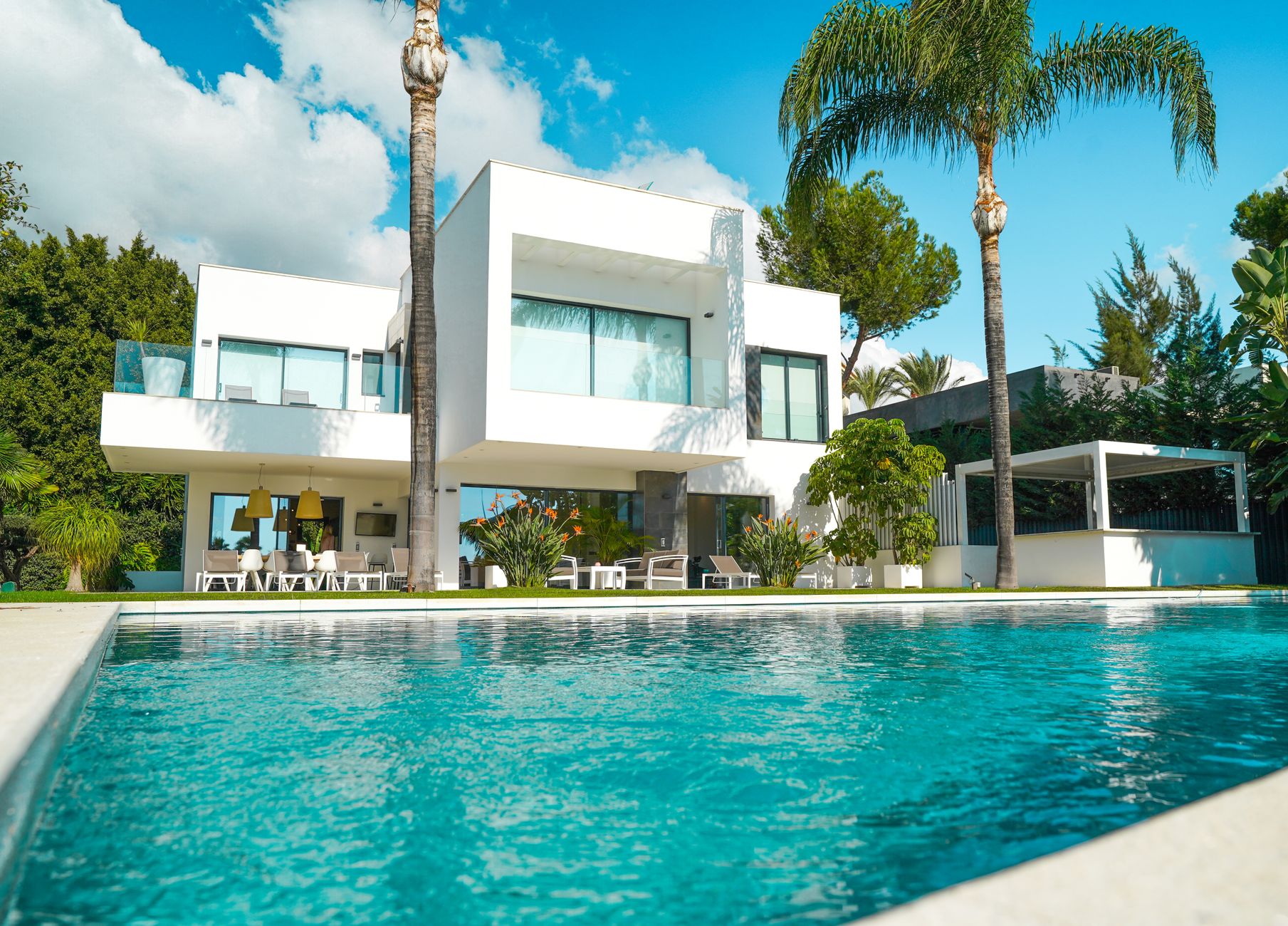
High-end resort hotels move into real estate; Banyan Tree (悦榕) 'sold properties' earned RMB 240 million
Banyan Tree's jump was driven by real‑estate sales — but what did it really earn?
Banyan Tree (悦榕) surprised markets with a sharp earnings beat as its core operating profit jumped 59% year‑on‑year to S$109.8 million (1.098亿新元), driven largely by its branded‑residence business. It has been reported that Chinese headlines translated the group's reported S$239.6 million in residence sales (2.396亿新元) as about RMB 240 million — a characterization that appears inconsistent with prevailing exchange rates and should be treated cautiously. Can a resort brand successfully convert hospitality goodwill into stable real‑estate margins? Banyan Tree’s results suggest it can, at least for now.
Strategy: from "space operator" to lifestyle property developer
Banyan Tree booked total revenue of S$477.4 million (4.774亿新元) for the year, with brand residence revenue nearly doubling to S$197.6 million (1.976亿新元), alongside 24 new cooperation agreements and seven new sales projects. The group now ranks first in Asia and fifth globally by branded‑residence development scale, and it has announced plans to expand its pipeline by about 9,000 units on top of an existing 5,000. The firm is also rolling out a new residential label, Bellaguna, aimed at Southeast Asia — a sign of deliberate product segmentation to capture demand for long‑stay, independent luxury living outside hotel compounds.
China and the wider industry picture
Banyan Tree’s push highlights a broader industry shift: luxury hotel brands are extending into property to capture brand premium while avoiding heavy balance‑sheet hotel ownership. But entering China remains tricky. It has been reported that Banyan Tree’s earlier Chengdu project faltered until a local partner, Vanke (万科), stepped in — underlining that local joint ventures and regulatory know‑how are often essential in China’s tightly controlled real‑estate market. Against a backdrop of geopolitical friction, capital controls and a cautious Chinese property market, branded residences offer multinational hospitality groups a way to monetize global brand value while mitigating some cross‑border and asset‑risk exposure.