From the Ground to the Skies, Dreame (追觅) Accelerates 'Chip‑Interstellar' Traversal Across the Entire Universe
What's new
Dreame (追觅) has moved from being a consumer-robot and appliance leader into chipmaking and even space‑based compute with a newly revealed chip arm, reportedly called "芯际穿越" (roughly "Chip Interstellar"). The company unveiled a full‑scene compute strategy that stretches from home robotics and phones to cars — and, ambitiously, to a planned space compute constellation. The key message: Dreame wants chips to be more than components; it sees them as the sovereign lever that defines who leads the AI era.
The tech lineup
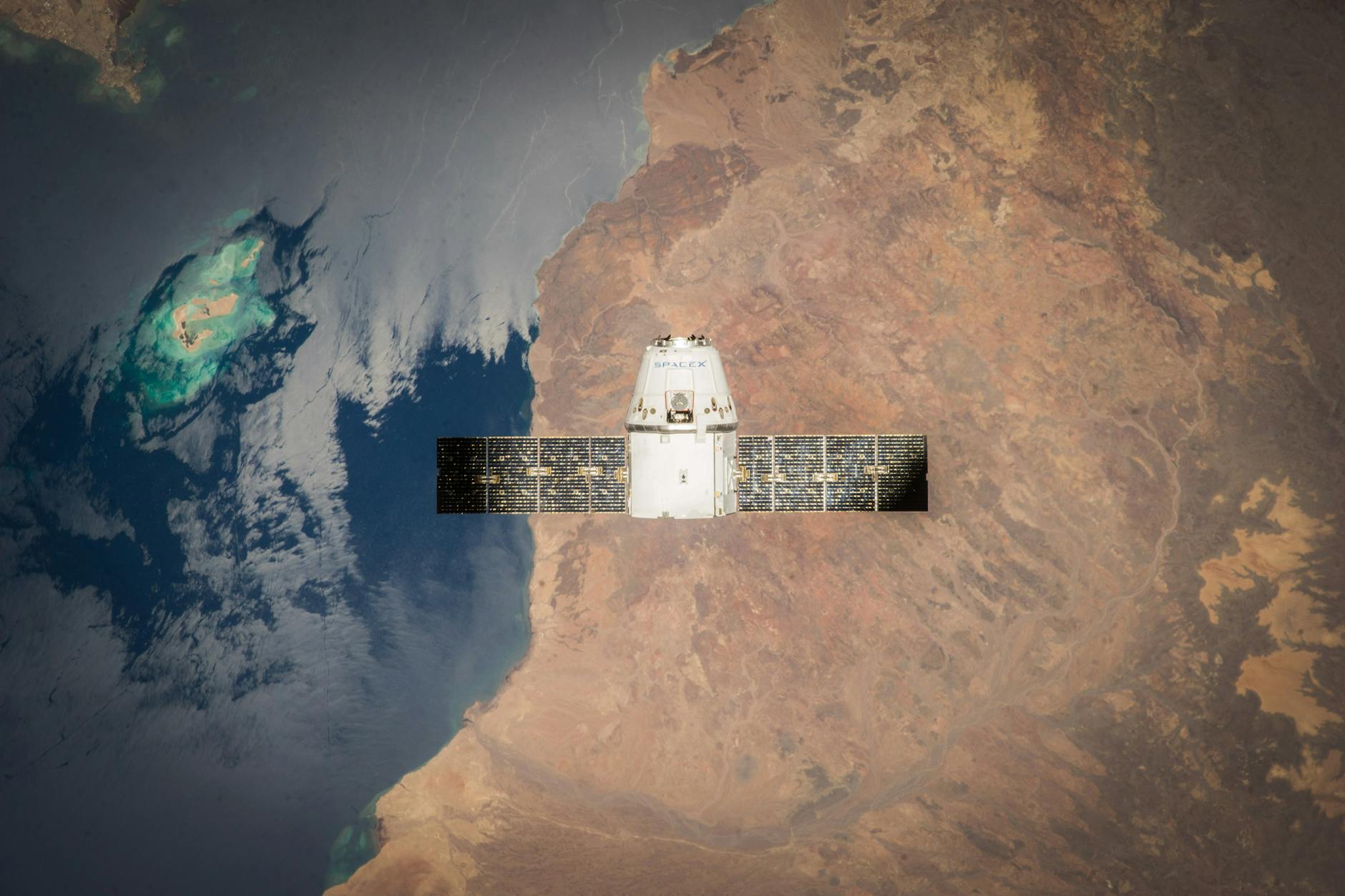
On stage, Dreame showcased a multi‑product SoC roadmap: the robot SoC "天穹" series for its cleaning and embodied‑AI devices, a high‑performance mobile processor "赤霄01" with in‑house GPU IP, and an automotive "cockpit‑and‑drive" chip intended to support L4 capabilities. It has been reported that the company also outlined a space compute plan — a "瑶台" series of space compute boxes and an eventual constellation it described as comprising millions of compute satellites. The firm says the robot SoC has already reached scale production and that a first space prototype is due to fly; these claims are significant but have not been independently verified.
Geopolitics, industry realities and the wager
Why does this matter beyond product marketing? Chips are now strategic assets in a geopolitically fraught supply chain — export controls and sanctions have pushed many Chinese tech firms to prioritize self‑reliance. Beijing has signaled support: it has been reported that recent policy guidance from the National Development and Reform Commission highlights integrated circuits, aerospace and embodied intelligence as priority sectors. But chipmaking is a marathon, not a sprint. Many well‑funded entrants have faltered. Can a consumer electronics champion translate scale, data access and profits into world‑class silicon and orbital infrastructure? Dreame’s argument is that its end‑to‑end ecosystem, large install base and sustained R&D investment give it a path competitors lack.
What it means
If Dreame executes, the move would be another example of Chinese companies trying to internalize compute stacks from device to cloud — or even to "the cloud in space." It has been reported that Dreame cites tens of millions of installed households and strong margins as the financial backbone for this push. Independent scrutiny will be needed on performance claims, production timelines and the feasibility of massive space constellations. Still, the announcement sharpens a trend: consumer device makers in China are increasingly betting that owning silicon — and potentially orbital compute — is central to winning the AI decade.