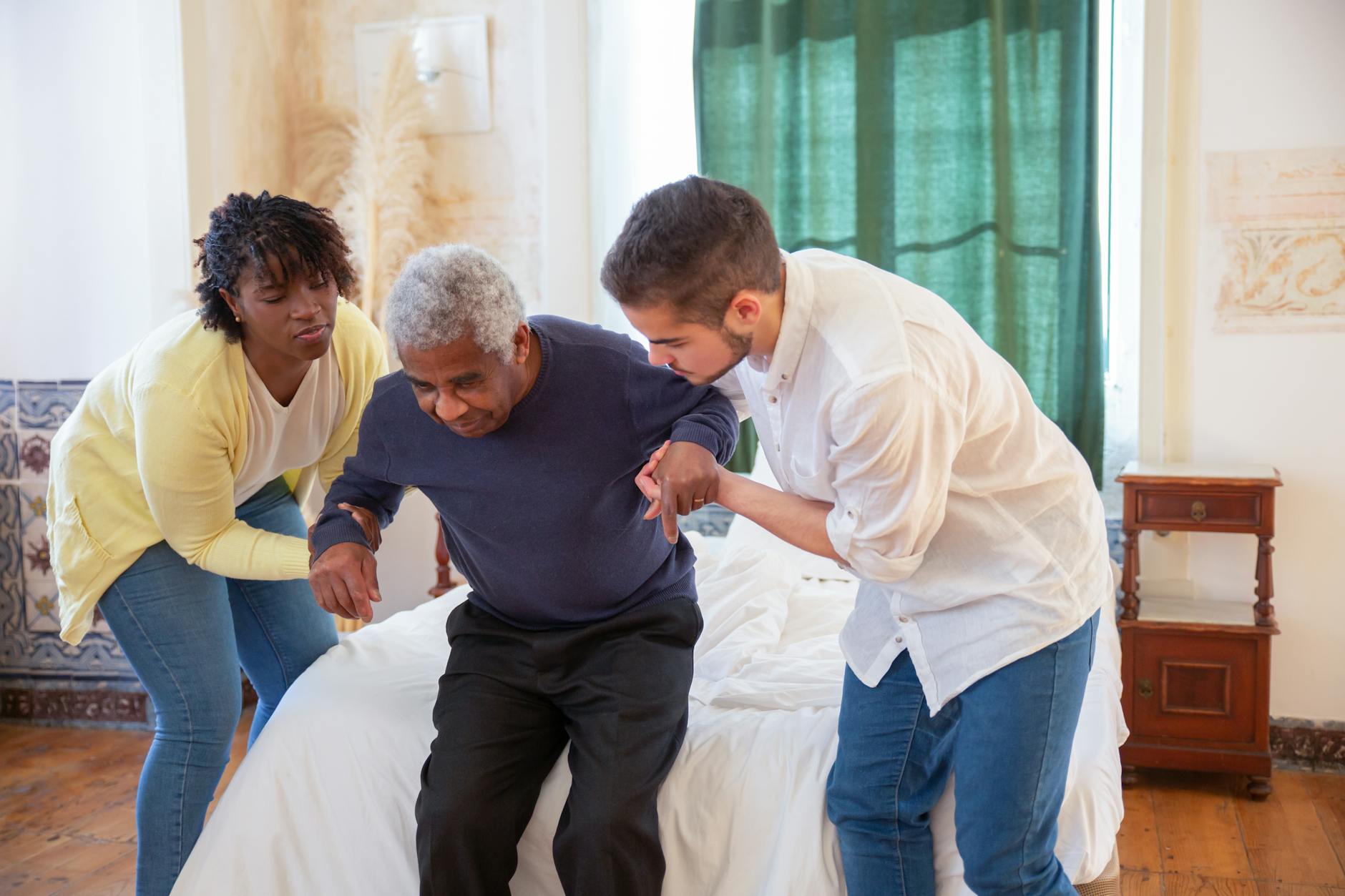
Fall-related chaos at U.S. nursing homes: 42,864 serious incidents a year, average payout about $260,000 — a wake-up call for China’s eldercare
U.S. report paints a stark picture
A U.S. government audit has exposed a crisis in long‑term care: the U.S. Department of Health and Human Services Office of Inspector General (HHS OIG) reported that Medicare‑certified nursing homes experienced 42,864 serious fall incidents that led to hospitalization in the year from July 2022 to June 2023, costing Medicare more than $800 million. The audit also found that about 43% of those serious falls were not reported to regulators — a gap analysts link to incentives to game quality ratings on the Centers for Medicare & Medicaid Services (CMS) Care Compare website. CMS has proposed cross‑checking self‑reported data with Medicare claims, adding a “major harm fall” metric and tying fall rates to financial incentives from 2027, but the OIG findings show the problem is already systemic.
Why Chinese eldercare providers should pay attention
China is aging faster than many realize, and its eldercare sector is a patchwork of public providers, private operators and nascent tech startups. Can China afford to treat falls as an occasional accident? The U.S. data say no. Falls in U.S. facilities drive high mortality, recurring disability, legal claims and reputational collapse — with professional liability payouts rising to an average near $260,000 in recent years, and individual verdicts reaching millions. For Chinese operators, the lesson is clear: poor fall management is not merely a care quality issue but a business and social‑cost one, with families and public payers ultimately footing escalating bills.
Prevention pays — and technology helps, with caveats
Evidence from the U.S. points to multi‑factor prevention bundles — risk assessment, exercise, medication review, vision checks, environment fixes and assistive devices — as the most effective route. Programs such as Fall TIPS have delivered large reductions in falls at very low per‑patient cost, and vendors report strong ROI: it has been reported that some implementations show returns of many dollars saved for each dollar invested. Tech tools — wearables, bed sensors and AI video analytics — can amplify prevention, with vendors reporting fall reductions of 40–67% in pilot sites. But geopolitical realities matter: advanced AI systems depend on semiconductor supply chains and specialized chips, and U.S. export controls on some high‑end components could complicate rapid adoption of cutting‑edge hardware in China.
A short to‑do list for policymakers and operators
Practical steps are obvious and urgent: build verified incident reporting and claims‑linked data systems; mandate staffing and training standards focused on fall risk; prioritize low‑cost environmental retrofits; require liability coverage and clearer resident agreements; and pilot pragmatic tech that fits local supply constraints. China need not copy U.S. models wholesale, but it should borrow the logic: measure accurately, staff adequately, prevent proactively, and adapt technology sensibly. Otherwise the same “silent epidemic” that is draining U.S. budgets and destroying trust could be replayed at scale in Chinese nursing homes.