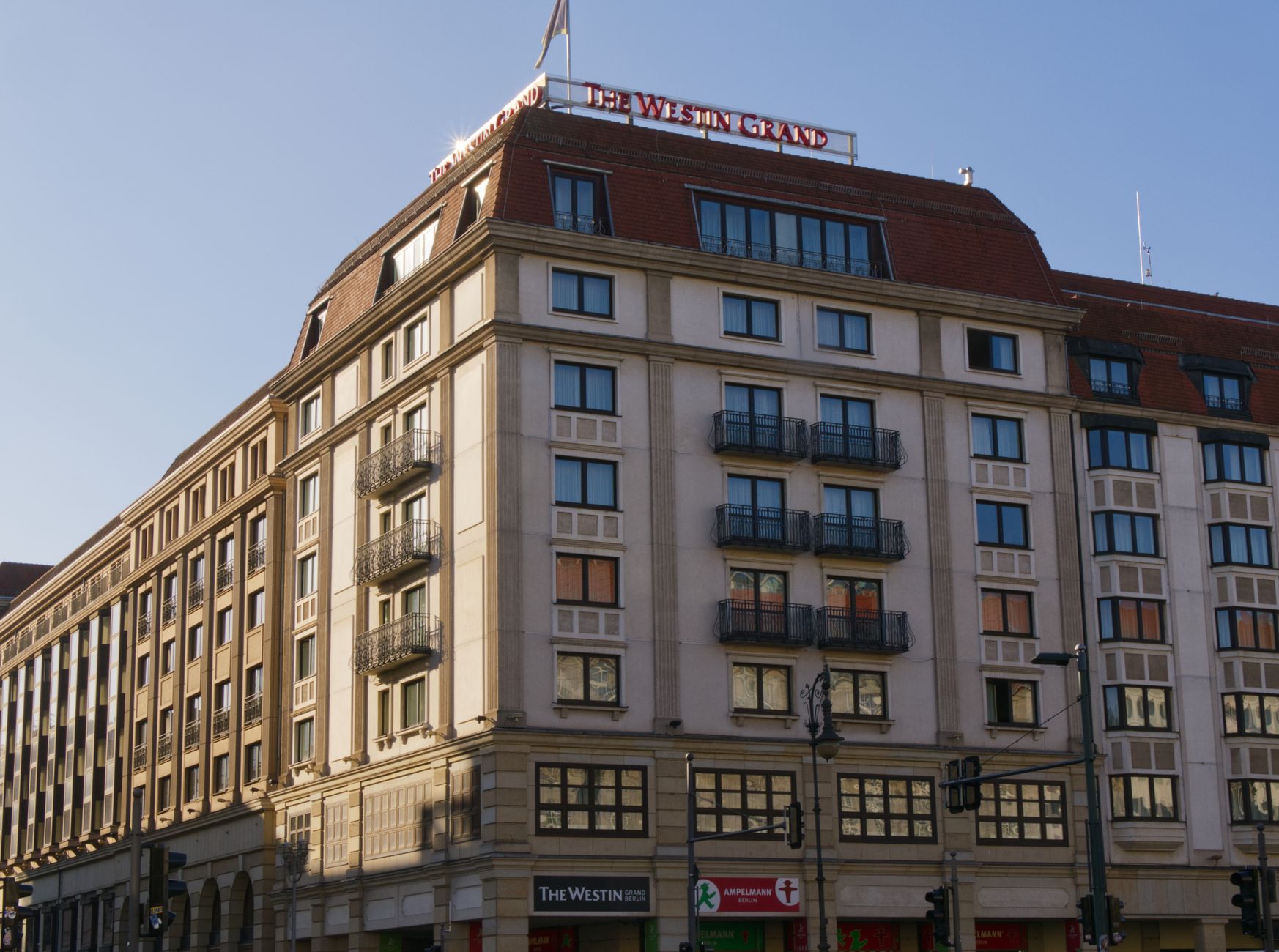
Is the 'mega' hotel with a thousand rooms doing well?
Are the "hotel carriers" sustainable?
Two recent stories capture a core tension in China's hospitality boom. Hangzhou Parallel World Hotel (杭州平行世界酒店), a 1,200‑room property developed by Shanghai Fuyue Group (上海富悦集团), is entering final construction and is slated to open in June. At the same time, a 975‑room five‑star in Chengdu — reportedly the city's largest — has been put on the market at about 60% of an earlier valuation. Together these projects add more than 2,100 rooms: impressive scale. But scale alone does not answer a simple question — can a single property sustain that size when demand shifts?
The Hangzhou project is instructive. With 175,000 sq m of built area and a 16,000 sq m meeting centre (including a 4,000 sq m pillar‑free ballroom), the hotel functions less as a standalone business and more as the bedroom for a larger tourism ecosystem. It has been reported that the hotel mainly exists to serve the adjacent Parallel World theme park — itself reportedly a roughly RMB 6 billion investment aiming for trial operations in 2026 — and has been positioned in Linping to capture short‑haul flows across the Yangtze River Delta. The room mix is deliberately segmented — family suites, sci‑fi immersive rooms, and luxury business suites — to attract multiple guest types under one roof.
Different logics, divergent fates
Across China, thousand‑room hotels tend to follow three business logics: resort/park support (think Chimelong/长隆 or The Atlantis Sanya/三亚亚特兰蒂斯酒店), convention capacity (for example the Guangzhou Lingnan Oriental at Baiyun International Convention Center/广州白云国际会议中心岭南东方酒店), or real‑estate capital plays where large hospitality assets underpin broader property finance strategies and branding. In good cases — casinos and integrated resorts such as The Londoner Macao (澳门伦敦人酒店) operated by Sands China (金沙中国) — scale amplifies ancillary spending and yields high occupancy and outsized F&B and retail revenue; it has been reported that some integrated resorts saw double‑digit room and F&B growth recently.
But scale is a double‑edged sword. Industry estimates suggest a 1,000‑room hotel may need on the order of 1,500 staff and carry high fixed bills for HVAC, pools and lifts; one widely cited figure pegs per‑room operating cost near RMB 980 per night, which quickly erodes margins when average daily rates slip. That explains why some megaprojects are auctioned or stranded: large single‑asset buyers are scarce, and financing pressures in China's property sector make capital recycling — via ABS or REIT‑style vehicles — both attractive and necessary. The verdict? These "hotel carriers" do well only when tightly linked to durable demand drivers — theme parks, major exhibition calendars, or an underlying financing story — otherwise giant size becomes a liability rather than a moat.