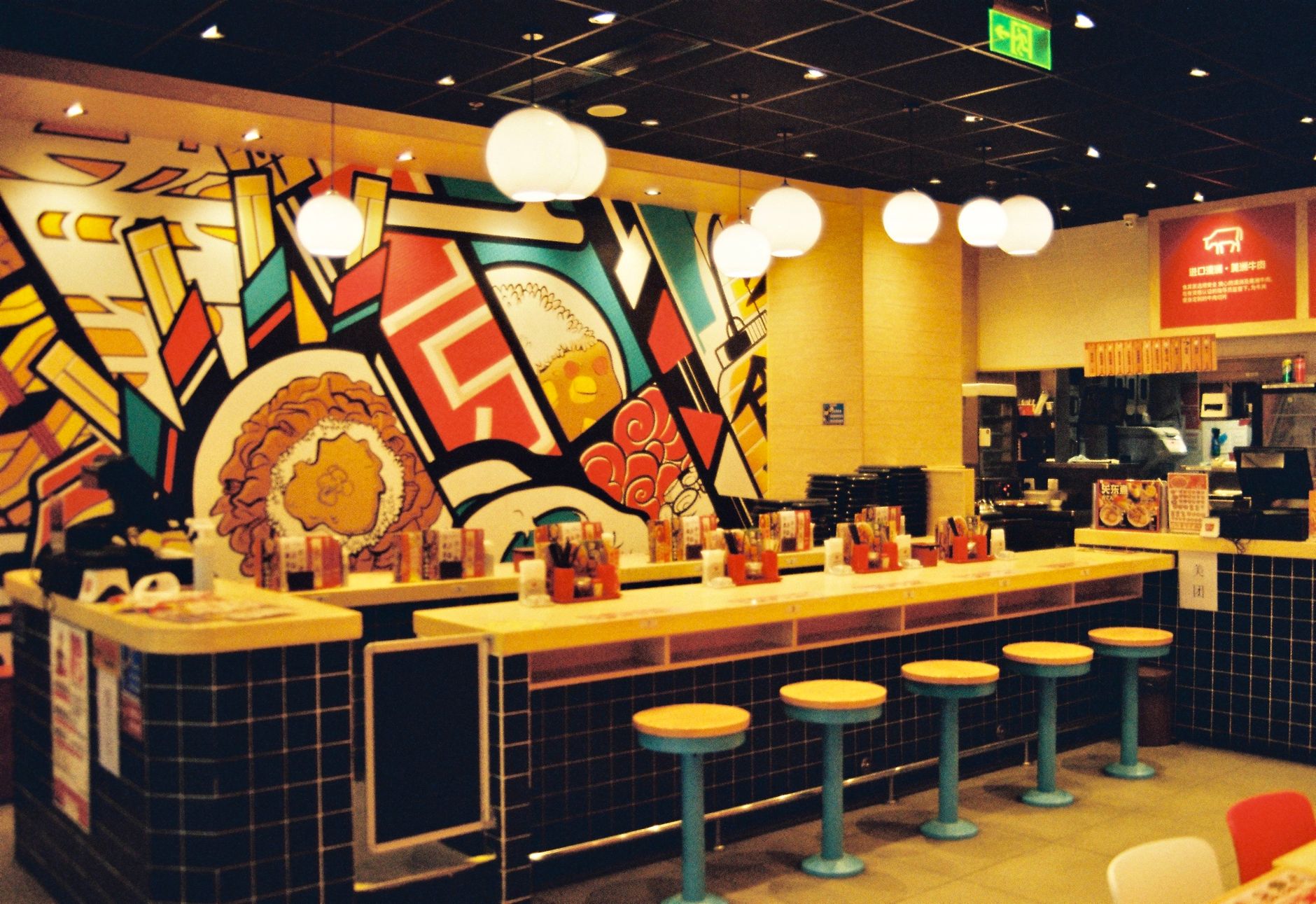
Don’t panic — Wallace (华莱士) hasn’t collapsed, but its capital dream has just been shattered
Voluntary exit, not bankruptcy
Wallace (华莱士), the blue‑collar king of China’s low‑priced Western fast food, has quietly surrendered its public listing on the New Third Board (新三板, National Equities Exchange and Quotations, NEEQ). It has been reported that the company’s 2025 half‑year report showed a parent‑company net profit of ¥122 million, and that cash flow was ample — hardly the picture of a firm pushed into insolvency. So why delist? Because the market simply stopped working for it.
The arithmetic is blunt. Wallace reportedly raised only ¥10 million through the NEEQ since its 2016 listing, while bearing recurring compliance and disclosure costs that analysts estimate at several million yuan a year. For a chain said to operate roughly 20,000 outlets and approaching tens of billions in annual revenue, the exchange produced no meaningful financing, no liquidity, and no valuation premium. When a public listing becomes a net cost rather than a strategic lever, walking away is a rational choice. Who needs the circus when you can run the show privately?
A growth model that outgrew its governance
Wallace’s rise was homegrown and ruthless: founders Hu Huaiyu and Hu Huaqing built expansion on a franchised partner model that turned employees and store managers into equity holders, enabling explosive rollout at minimal central capital. But that same “partner” structure, combined with an ultra‑low‑price strategy, reportedly intensified quality control failures. Complaints alleging expired ingredients, mislabeled dates and other food‑safety issues have dogged the brand — the label “喷射战士” (roughly “splat‑soldier”) stuck as shorthand for those scandals. Can a chain built on tiny margins and distributed ownership reconcile rapid scale with uniform standards? Wallace’s management evidently concluded publicly traded status made that harder, not easier.
The competitive environment has tightened, too. International incumbents KFC (肯德基) and McDonald’s (麦当劳) have aggressively penetrated lower‑tier markets with smaller, cheaper formats, while local challengers such as Tastin (塔斯汀) have weaponized product differentiation and healthier positioning to lure younger customers away. With food‑safety concerns now the top purchase driver for many consumers, Wallace’s low‑price moat is eroding.
Strategic retreat or long overdue reset?
Delisting is not an admission of defeat so much as a bid for time. Freed from public disclosure cycles and short‑term performance pressures, Wallace can — in theory — shut poorly performing stores, invest in supply‑chain controls, and test pricing and product upgrades without the analyst class watching every quarter. It has been reported that the company is already experimenting with new promotions such as a ¥9.9 coffee monthly pass.
But delisting is no silver bullet. Rebuilding trust, upgrading margins and navigating an intensely competitive landscape will require sustained investment and time — things private ownership must be willing to provide. For Western readers, the episode is a reminder that China’s capital markets — from the NEEQ to the STAR or the main boards — are tools, not trophies. When a market stops serving strategy, Chinese firms increasingly show they will simply put the tool back in the box and get to work.