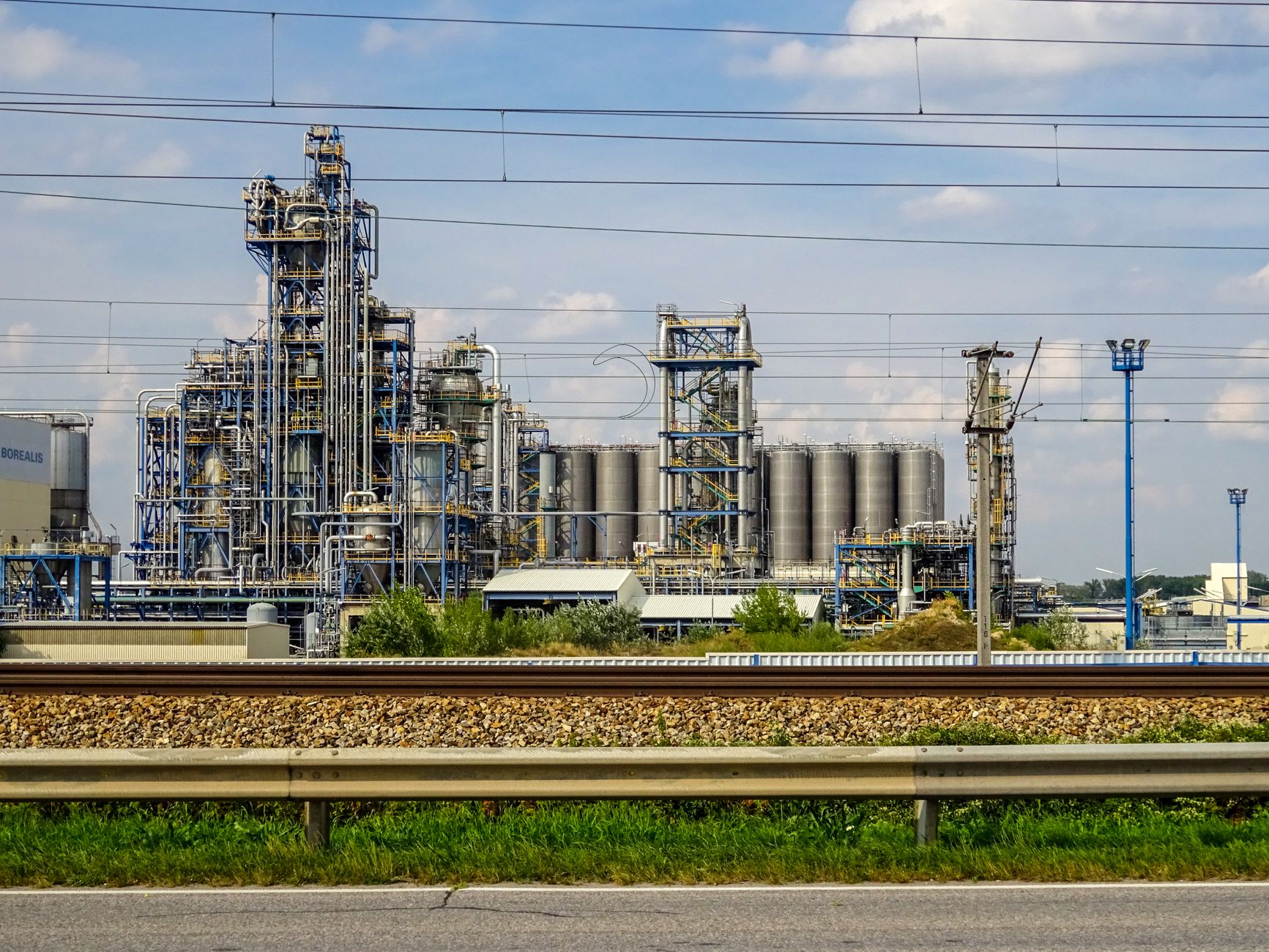
What is driving China's chemical sector back toward its 2021 highs?
China’s chemical sector is quietly reasserting itself. After years of disinflationary pain and fragmented sub‑sectors, the index for basic chemicals has staged a two‑legged rally that is now nudging the 2021 record. The immediate trigger is obvious: it has been reported that geopolitical tensions around Iran and the Strait of Hormuz have pushed international oil toward $110/barrel, lifting refining and petrochemical margins globally. But that is only the amplifier. The deeper logic is structural — policy‑driven supply restraint at home plus China’s unique global industrial position.
Two stages: policy first, then price
The rebound began with a policy inflection in July 2025, when Beijing’s “anti‑involution” guidance encouraged coordinated production discipline in segments such as spandex (氨纶) and organosilicon (有机硅). Market leaders quickly moved to joint cuts and price support, ending a long downward grind and starting valuation repair. The second stage, from early 2026, is the classic cycle meeting a commodity shock: oil‑driven upside in refining profits that ripples through petrochemicals, while higher crude makes high‑cost overseas capacity uncompetitive — accelerating global capacity rationalization.
A global business disguised as “domestic”
Don’t mistake the sector for a purely domestic story. China’s chemical industry accounts for roughly 16 trillion yuan of output in 2024 — about 12% of industrial value added — and, by many measures, leads the world in scale. Yet the chain is “two ends out”: raw materials (oil, gas, potash) are heavily imported, while many finished chemical derivatives flow abroad indirectly inside textiles, appliances and autos. The net effect? When oil rises, Chinese players with coal‑to‑chemicals and tightly integrated park models gain more than they lose on feedstock cost.
Supply‑side constraints make this different
The longer‑term pivot is supply discipline. Carbon and energy controls, environmental caps on refining capacity (a de‑facto 1 billion tonne ceiling) and delayed new projects have moved many sub‑segments from chronic oversupply toward relative balance. That matters because chemical cycles are ultimately supply‑driven. Coal‑chemical names such as Baofeng Energy (宝丰能源), Hualu Hengsheng (华鲁恒升) and Luxi Chemical (鲁西化工) are natural beneficiaries when crude stays elevated: coal feedstocks do not track oil one‑for‑one, so high oil prices widen China’s cost advantage. The question for investors now is whether tighter domestic supply and persistent geopolitical risk can sustain a multi‑year re‑rating — or merely fuel another cyclical peak.