Has Haidilao (海底捞)'s Momentum Really Extended to Hotels?
Haidilao-style DIY is showing up in hotel breakfast halls
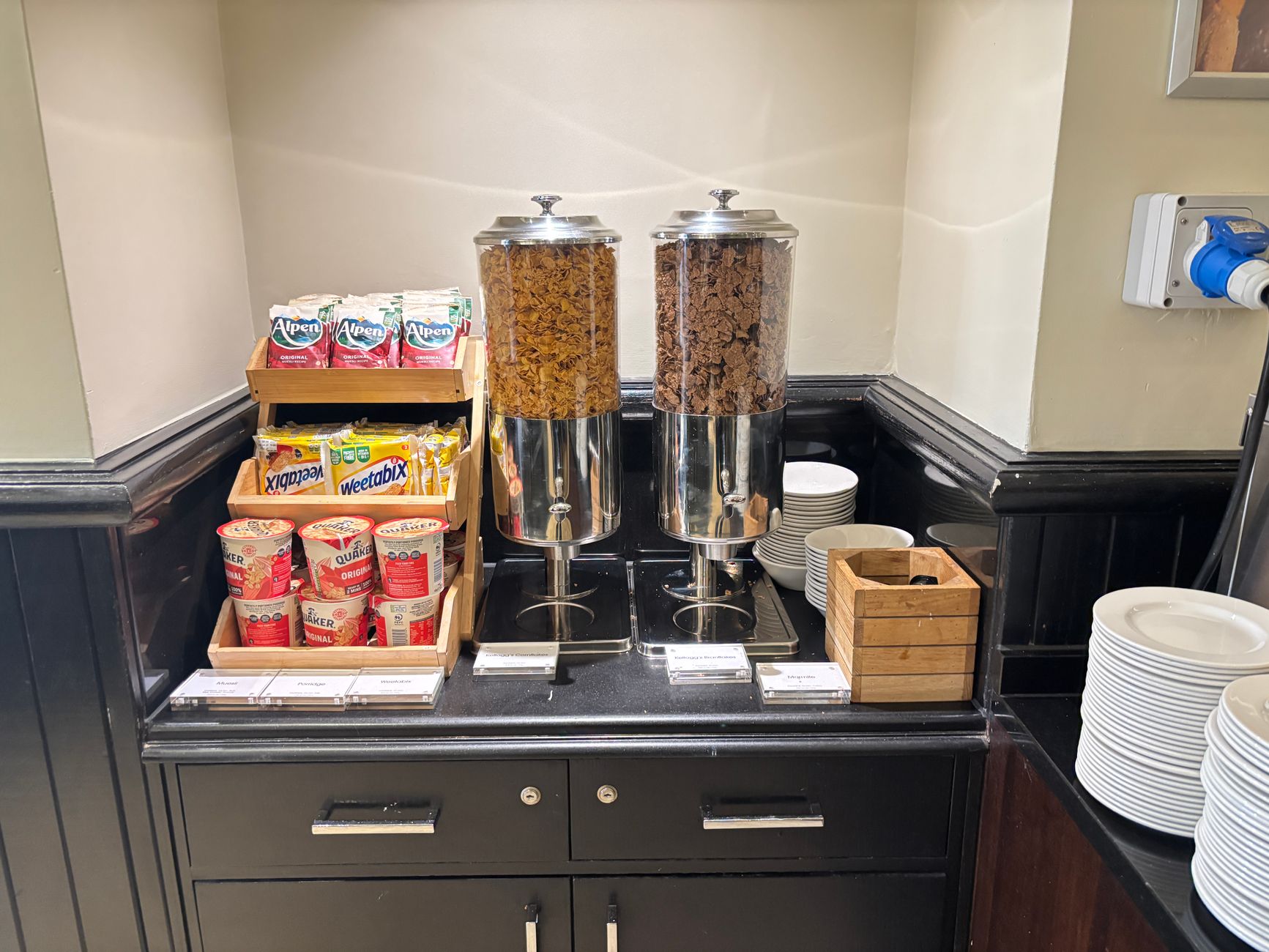
Haidilao (海底捞) made a name for itself in China by turning condiment stations and free extras into a participatory dining ritual. Now that same DIY impulse is cropping up in hotels. It has been reported that a Xiaohongshu video titled “who can refuse cooking at Atour?” — about guests remixing Atour (亚朵) breakfast ingredients into new dishes — drew roughly 70,000 likes and nearly 4,000 comments, with users swapping recipes and where to stay to try them. The result: guests treating hotel buffet lines like creative studios, not merely sustenance stops.
Why hotels are inviting the creativity
Hotels from Atour (亚朵) to Mercure (美居) and midscale chains such as All Seasons (全季) and Orange Hotel (桔子酒店) are deliberately expanding variety and service to feed that impulse. Longer breakfast windows, live cooking counters, regionally specific offerings and abundant condiments (Atour reportedly offers more than 20 small-seasoning options for its tofu pudding) give travelers the raw materials for invention. The display value matters as much as taste; social-media-friendly plating—strawberry parfaits, open-faced European sandwiches, even artful Madeleine-based desserts—turns a morning meal into shareable content.
The business behind the fun
This is not just trend-chasing. Hotels face a breakfast “arms race” where product richness boosts both guest satisfaction and social reach, but also raises costs. According to the Wall Street Journal, weekend brunch can contribute about 25% of hotel food-and-beverage revenue in some high-end properties. That makes the balance between memorable offerings and unit economics critical: too little and you lose guests and upsell potential; too much and margins vanish. Brands are therefore hunting for repeatable, emblematic items—think the way eggs Benedict became shorthand for “upmarket breakfast”—that signal quality without breaking the bank.
What’s next?
For Western observers, the takeaway is simple: Chinese hospitality is weaponizing interactivity and social shareability to compete for younger guests. Reportedly, the strategy already boosts bookings for hotels whose breakfast becomes a talking point. But traction is fleeting. Flowing trends can give a temporary lift; lasting advantage will come to the hotels that turn a viral DIY moment into a durable brand memory—one that makes guests want to return not just for the photo, but for the taste.