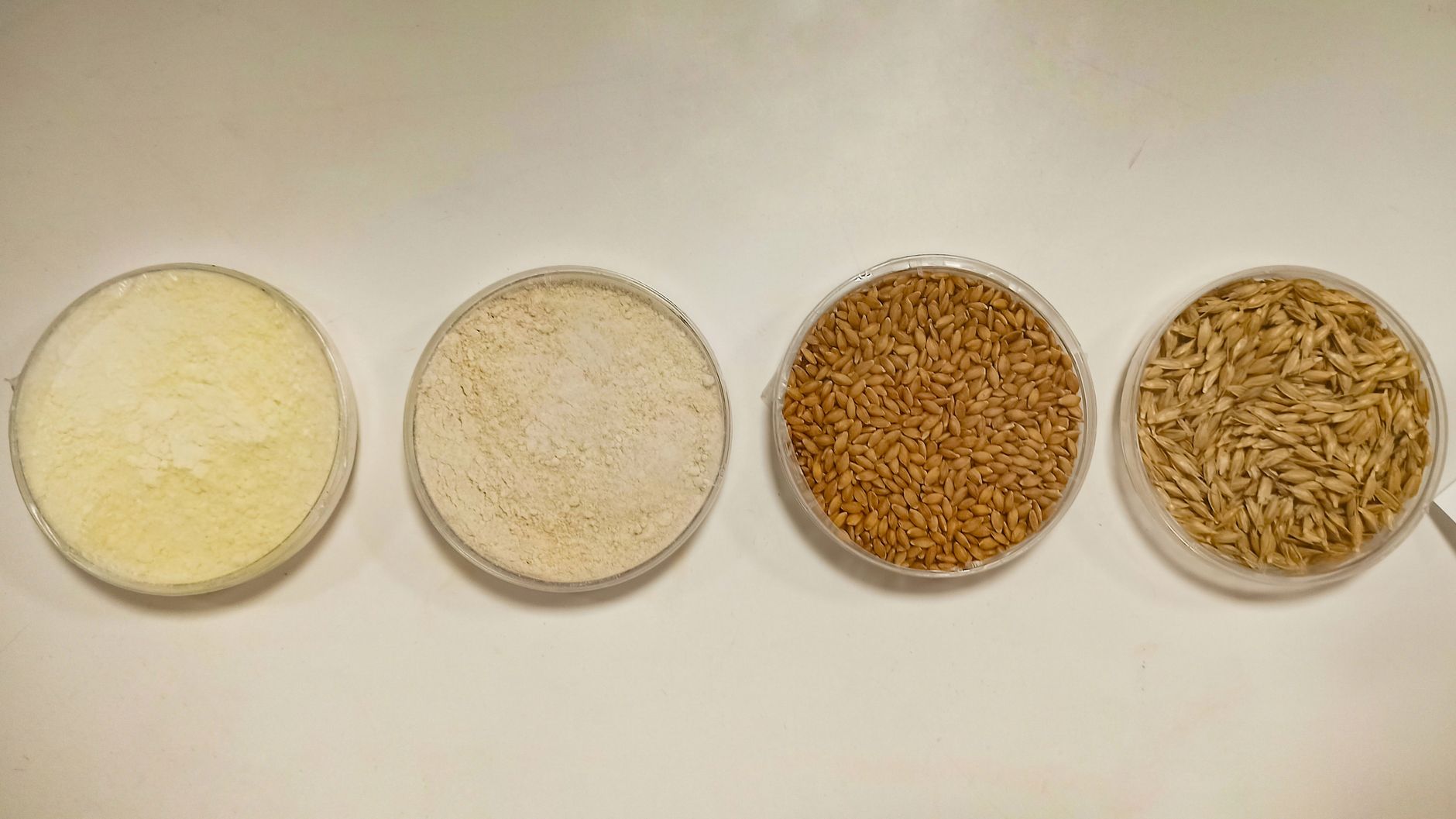
Why the General Secretary is watching “the seeds” — and why the rest of the world should care
A quiet obsession with strategic soil
When General Secretary Xi Jinping (习近平) singled out wheat breeder Gao Derong (高德荣) during this year’s Two Sessions, it was more than a human-interest moment. It was a signal: seed security has been elevated to strategic priority. Why? Because a single variety of seed affects yields, rural incomes and — at scale — national food security. China feeds 1.4 billion people. Small technological gaps in seed systems can cascade into geopolitical vulnerability.
Structural hurdles and foreign chokepoints
China is an agricultural giant that has long been "big but not strong" in seed science. It has been reported that China hosts roughly 7,000 seed enterprises, yet most are small dealers rather than integrated breeders, growers and marketers; some reports say about 80% lack plant variety rights and only around 2.3% hold more than ten such rights. R&D spending across the domestic industry is modest by global standards — reportedly around RMB 4 billion a year — and the international rules on plant breeders’ rights, shaped by UPOV and other regimes, have tended to favor first movers in the West. The result: high-end vegetable, oilseed and seed genetics remain dominated by Western and Japanese firms, while China’s industry is fragmented and exposed.
Geopolitics, past shocks and modern responses
Seed dominance has real-world consequences. It has been reported that multinational seed and agrochemical firms have reshaped production patterns in countries from Argentina to Russia, with knock‑on effects for land use, trade dependency and national sovereignty. China’s entry into the WTO, commodity price shocks and the on‑again, off‑again nature of global supply chains have underscored the risk. In response, Beijing has made a concerted policy push: General Secretary Xi has repeatedly called for "seed industry revitalization," the State Council and reform bodies have prioritized core seed technologies, and Chinese firms and institutions have moved on both M&A and home‑grown R&D. Notably, China National Chemical Corporation (ChemChina, 中国化工集团) completed its acquisition of Syngenta (先正达) in a deal reportedly worth about $43 billion, and homegrown players such as Longping High‑Tech (隆平高科), associated with Yuan Longping (袁隆平), have been promoted as examples of domestic scientific strength.
From chips to seeds: a long slog with clearer contours
Can China replicate its success in semiconductors in the seed sector? Not overnight. Agriculture carries strong path dependencies — land patterns, seasonality and the long lead times of breeding make "fast following" difficult. But policy, capital and a growing cohort of committed breeders like Gao Derong provide momentum. It has been reported that dozens of new varieties and targeted investments have begun to close gaps in rice and wheat; corn and soybean remain priority vulnerabilities. The upshot is clear: in a world where trade frictions and sanctions can weaponize supply chains, seeds are now being treated as a technology and a strategic asset — and Beijing appears determined to stop outsourcing that vulnerability.