From 19.9 Yuan to a 60 Yuan Survival Line: China’s Mini Hotpot Resets Around Supply Chains
A booming niche hits its first hard reset
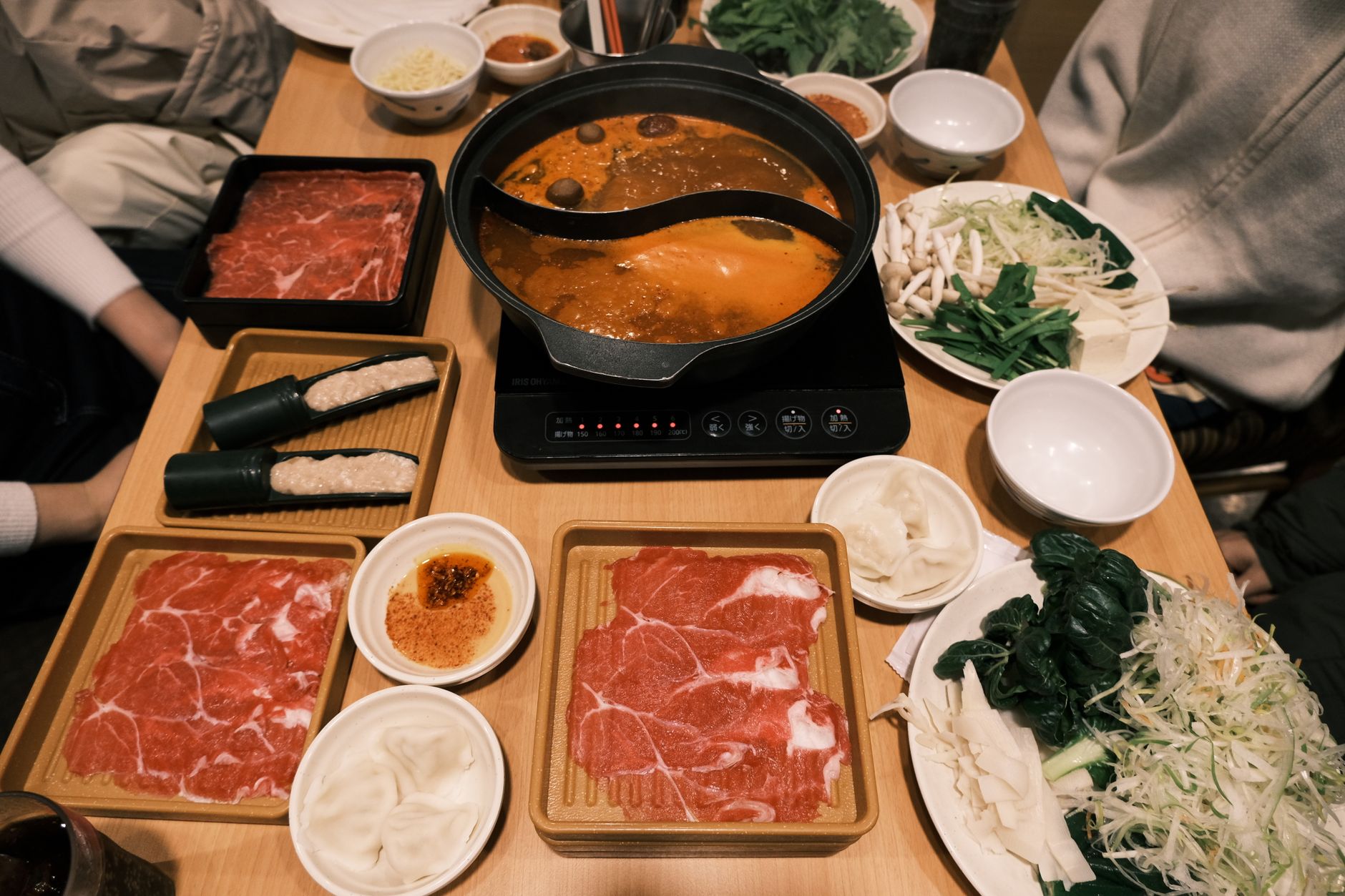
China’s “mini hotpot” boom—single-serve pots and conveyor-belt, self-service formats inspired by kaiten sushi—is entering a harsher, more disciplined phase. The price-led land grab of the past two years is giving way to a contest of site selection and supply-chain muscle. It has been reported that Weila Rotating Mini Hotpot (围辣旋转小火锅) is expanding at roughly three outlets per day and Longge Self-service Mini Hotpot (龍歌自助小火锅) added about 360 locations in a year, while Haidilao (海底捞) has pushed its sub-brand Ju Gaogao Self-service Mini Hotpot (举高高自助小火锅) across 11 provinces. Yet newcomers with thin resources are folding within months. The headline shift? The old “19.9 yuan all-you-can-eat” playbook is breaking, and a 60 yuan per-head ceiling is emerging as a life-or-death line.
Scale races ahead, but the market resists winner-take-all
According to Hongcan (红餐网) data cited by TMTPost, mini hotpot outlets in China reached roughly 48,000 by November 2025—about 10% of all hotpot restaurants—with a market size nearing 40 billion yuan. Reportedly, Man Shuan Mini Hotpot (蛮涮小火锅) neared 200 company-run stores within a year of launch; Yang Guo Fu (杨国福) is piloting conveyor-belt concepts; even Qingfeng Baozipu (庆丰包子铺), a steamed-bun chain, has tested self-service hotpot combos. But churn is real: Taoniang Mini Hotpot (桃娘下饭下小火锅) shut all Beijing outlets, and some new stores in Hangzhou reportedly lasted only three to six months. Despite consolidation pressures, industry voices argue mini hotpot’s “one-person, community” DNA limits national winner-take-all outcomes, favoring a mix of national leaders and agile regional “black horses.”
The low-price era ends as hygiene and quality take center stage
Cheap drew crowds—and controversy. In 2025, it was reported that several self-service conveyor outlets in Nantong faced hygiene complaints, and a Chongqing site was shut after video showed rodents gnawing items on the belt. Giants are reframing expectations: Yang Guo Fu (杨国福) in Qingdao priced a seafood-forward lineup at around 59.9 yuan per head—above the category norm but reportedly accepted for “real ingredients.” Brands are moving from discounts to trust signals. Yiwei Beef Mini Hotpot (一围肥牛小火锅) promotes clear promises—9.9-yuan broths and freshly cut beef—to assert value without “cheap and low-quality” connotations. Nong Xiaoguo (农小锅) has upgraded formats and products, reportedly lifting average tickets from 29.9 to 43.9 yuan. The question for consumers is no longer just price. It’s freshness, safety, signature broths—and whether the experience merits a repeat visit.
Deep-water competition: sites, supply chains, and disciplined growth
With per-customer prices clustering near 60 yuan and up-front investment reportedly around 1 million yuan per store, survival hinges on steady traffic and tight operations. That is driving a strategic tilt: brands are “sinking” to lower-cost, higher-footfall locations and lower-tier cities. Weila Rotating Mini Hotpot (围辣旋转小火锅) says over 80% of its stores are now in third-tier and below; others, like Chuan Shiduo (串士多) and Guo Jiajia Rotating Hotpot (锅佳佳转转火锅), have reportedly pulled back from high-rent Beijing and Shanghai. Back-end advantage is decisive: complexity spans dozens of sauces and hundreds of SKUs, making unified procurement and logistics critical. Weila has moved to centralized meat distribution; its logistics partner Huading (华鼎) reportedly built nine regional warehouses in 18 months, covering about 90% of stores with next-day delivery. Leaders are also tapping the brakes on raw expansion to fix the unit model: Man Shuan (蛮涮) is densifying in strongholds; Yiwei (一围) has said it will waive management fees until partners recoup investments; and Weila plans to cap 2026 stores at 2,000–2,500 to push consistency. The finals of this race won’t be won at the cash register, but in back-end efficiency and a reliably repeatable experience.