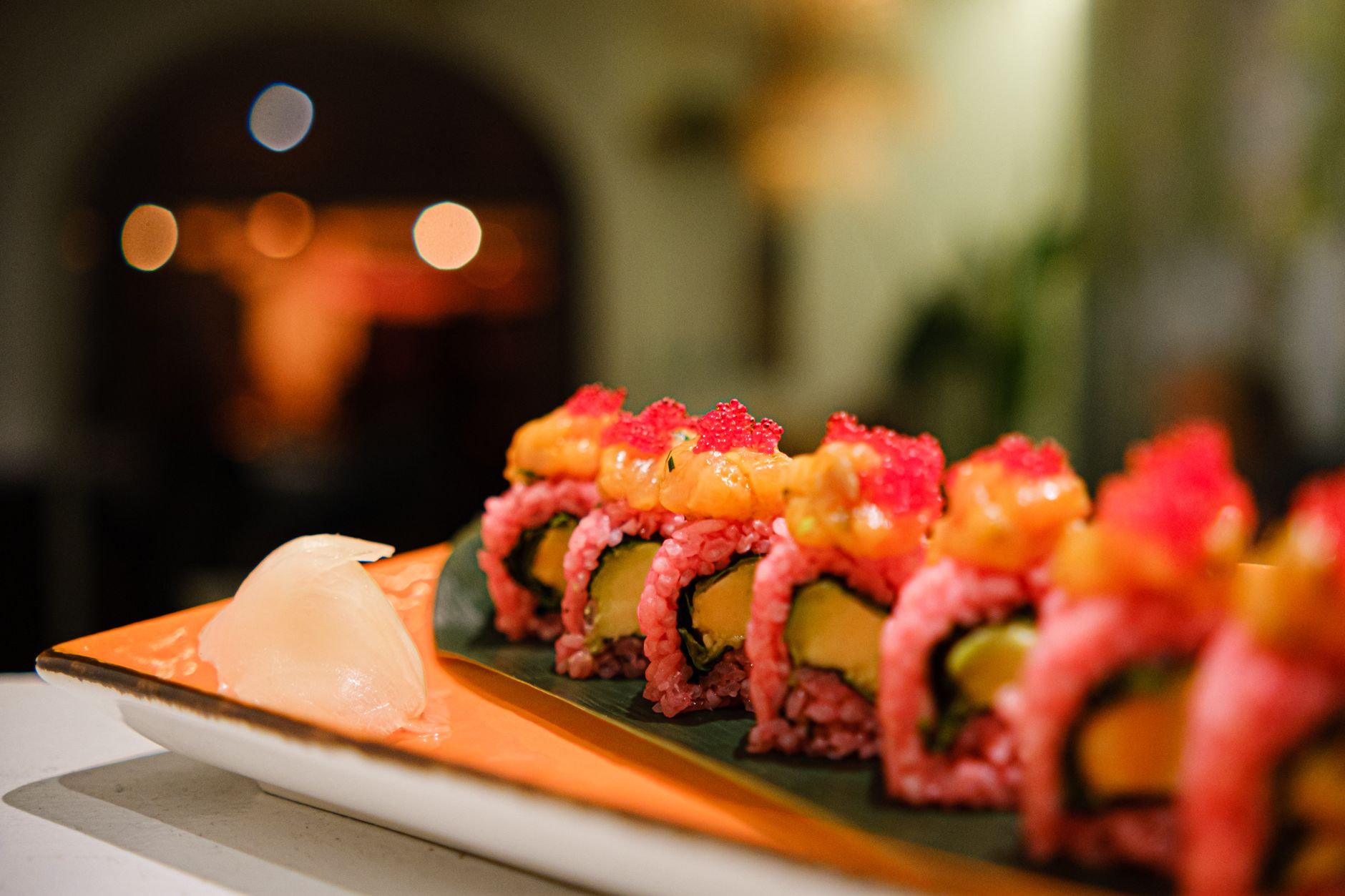
Sushi Brands in China Face Growing Demand Amidst Safety Concerns
Explosive Popularity of Budget Sushi
In recent months, budget sushi brands like Sushi Liao (寿司郎) and Bin Sushi (滨寿司) have surged in popularity across China, with queue numbers reaching over 3,000 at peak times. Reports indicate that Sushi Liao's international revenue has skyrocketed, with a 41.5% increase in earnings in just six months, bringing in approximately 2.5 billion yuan (around $360 million). The secret behind this phenomenon? Affordable prices, with items like caramel foie gras sushi priced as low as 8 yuan (about $1.10) per piece, catering to younger consumers eager for both taste and value.
A Shift in Dining Trends
Historically, Japanese cuisine in China has been characterized by high prices and fine dining experiences. However, the emergence of budget sushi has disrupted this status quo, capturing the "middle ground" of the market. By offering freshly made sushi at prices significantly lower than traditional upscale restaurants, these brands are not only attracting crowds but are also reshaping consumer expectations. The success of these sushi chains can be attributed to a strategic blend of appealing pricing and consumer-centric marketing, turning dining into a social event where sharing experiences online has become the norm.
Challenges and Controversies
Yet, as the popularity of these sushi brands rises, so do concerns surrounding food safety. Recently, incidents like the discovery of parasite eggs in tuna at a Sushi Liao location have ignited public outcry. Such controversies pose a significant risk to brand reputation, especially in the sensitive realm of raw seafood. In this context, maintaining strict food safety standards is paramount for sustaining consumer trust. The brands have responded by emphasizing their commitment to quality and safety, but the underlying issues raise questions about the sustainability of their rapid growth.
The Competitive Landscape
The rapid expansion of sushi brands has led to an increasingly crowded market, with competitors not only fighting for customer loyalty but also battling against the pitfalls of overextension. While the allure of affordable sushi keeps customers flocking, experiences marred by excessive wait times and declining quality threaten to erode the very foundation of this lucrative trend. As the market continues to evolve, will these brands adapt to maintain their appeal, or will they become victims of their own success? The coming months will be critical in determining whether this "top influencer" in the culinary scene can sustain its momentum amidst challenges.