Chinese-style instant e-commerce lands in Europe — but will it stick?
The pitch: dinner-by-dinnertime
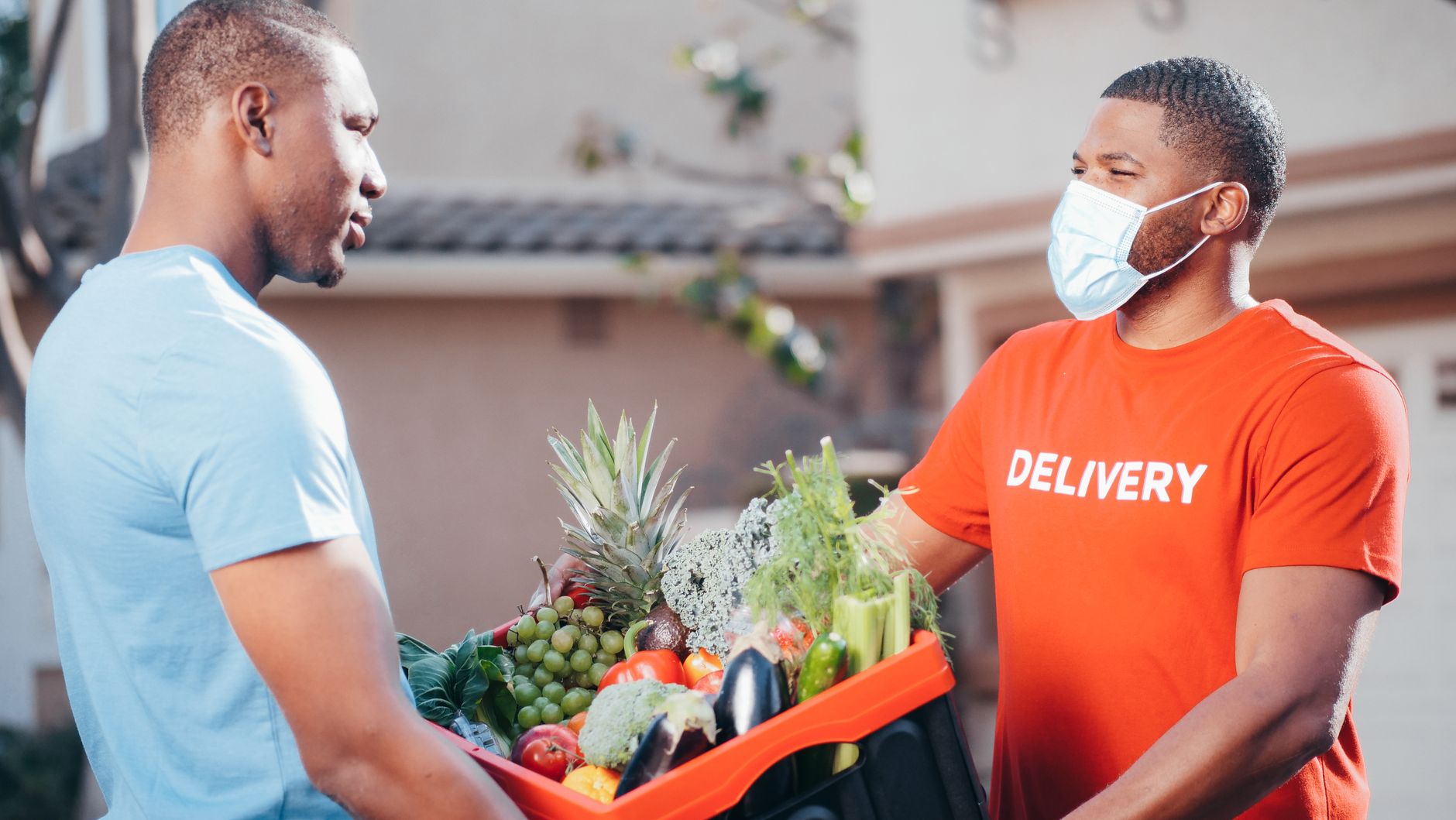
It has been reported that Chinese retail models that let urban consumers place an afternoon order and receive fresh ingredients and kitchen kit by dinner are being exported to Europe. In major Chinese cities the app-to-door, same-day experience is routine; now companies and entrepreneurs are trying to replicate that convenience in European markets. Can Europeans get their dinner delivered by dinnertime the way consumers in Shanghai or Shenzhen do? That is the promise being sold.
The model and the players
The fast-turnaround model relies on dense “dark stores,” fleet logistics and tightly integrated platforms. Firms that built those systems in China — including Alibaba (阿里巴巴), Meituan (美团) and JD.com (京东) — reportedly inspired or are directly involved in pilot projects overseas, and local start-ups are copying the blueprint. The offering is not just cheap goods; it’s an operational re-think of grocery retail and instant commerce focused on speed and choice.
Headwinds: infrastructure, regulation and geopolitics
Scaling the model in Europe faces obvious frictions: lower population density in many regions, higher labor costs, strict food-safety and labor regulations, and entrenched local retailers. It has been reported that geopolitical factors also complicate expansion — EU investment screening, trade-policy tensions and scrutiny of Chinese tech mean that partnerships, data flows and ownership structures will be watched closely. Sanctions and broader US–China decoupling debates may reshape where and how these players invest.
What to watch
If the model takes hold, European consumer expectations could shift fast, squeezing margins for incumbents and creating new logistics hubs in cities. But success is far from guaranteed — execution, local regulation and politics will decide whether the Chinese “new retail” playbook translates beyond Asia. Reportedly, pilot schemes are underway; now the market will test whether speed and convenience are enough to overcome cost and regulatory hurdles.