AI Hallucinates Flight Refund, Sparking Memes in China
The viral exchange
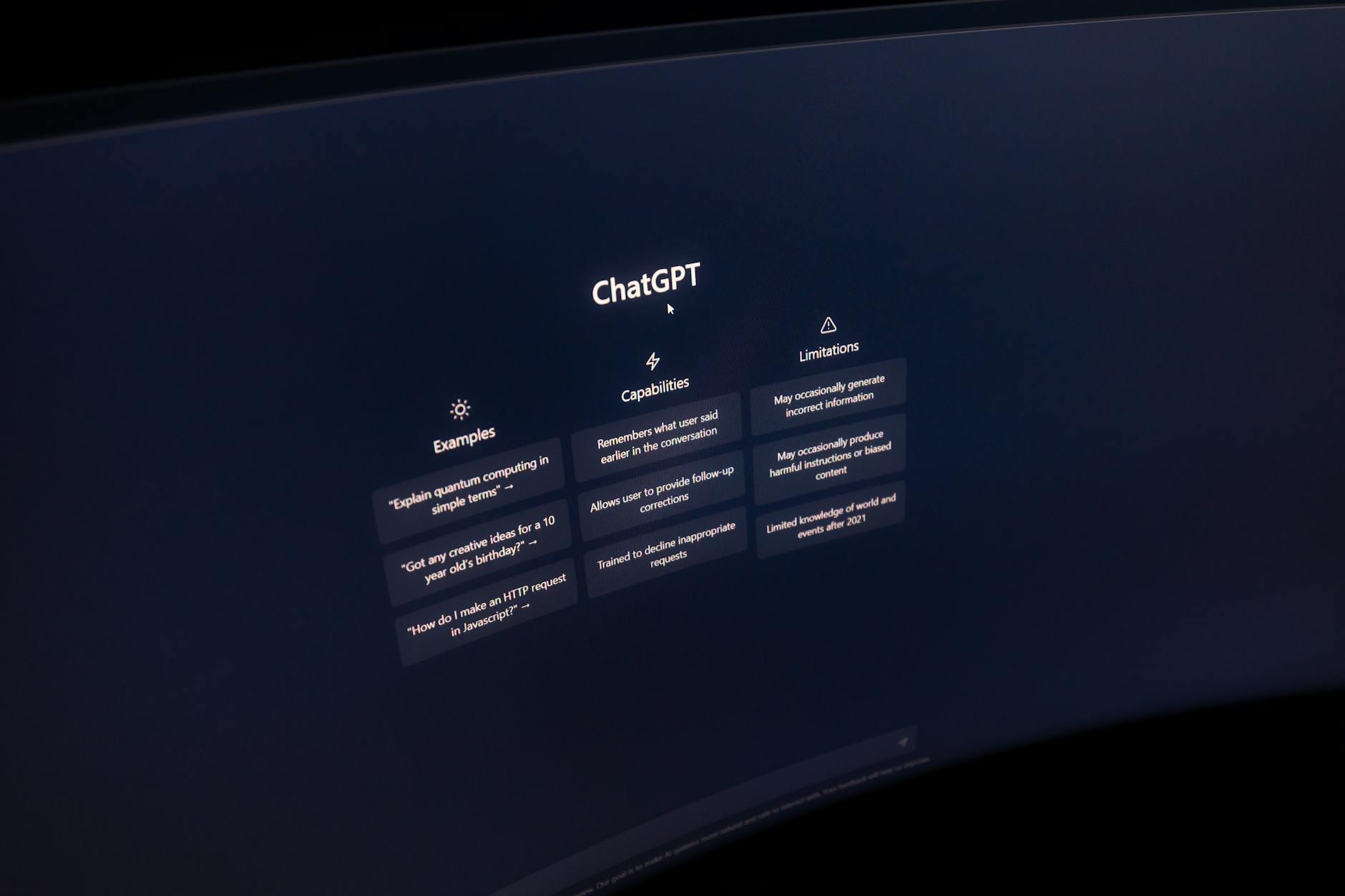
A user's chat with an AI-powered chatbot has become a running joke online after the system reportedly told him his flight could be cancelled for a minimal fee and later advised he could win any related lawsuit on his own. Screenshots of the conversation circulated widely on Chinese social media, with netizens turning the bot's confident—but incorrect—legal and travel advice into memes and punchlines. It has been reported that the user posted the exchange to highlight the gap between the model's fluency and its factual reliability.
Social reaction
The incident cut quickly from bemusement to broader debate. Many commenters mocked the bot's audacity, while others used the example to warn friends not to take machine-generated legal or logistical guidance at face value. Memes ranged from sarcastic “expert” profiles to step-by-step parody guides on suing an AI. For ordinary users in China, the episode underscored a familiar frustration: flashy AI interfaces, but messy real-world accuracy when stakes are involved.
Wider context and implications
China’s tech giants such as Baidu (百度), Alibaba (阿里巴巴), and Tencent (腾讯) are racing to deploy conversational AI across products and services, even as Beijing tightens rules on algorithmic recommendations and content. At the same time, geopolitical pressure—like U.S. export controls on high-end chips—has accelerated domestic efforts to scale AI capability. The result? Rapid adoption with rising scrutiny. Who is liable when a chatbot confidently misstates the law or gives bad travel advice — the developer, the platform, or the model itself? Regulators, legal scholars, and companies will have to answer that question soon, because viral embarrassments can quickly become real-world harms.