Before WeChat, There Were Qiaopi Writers
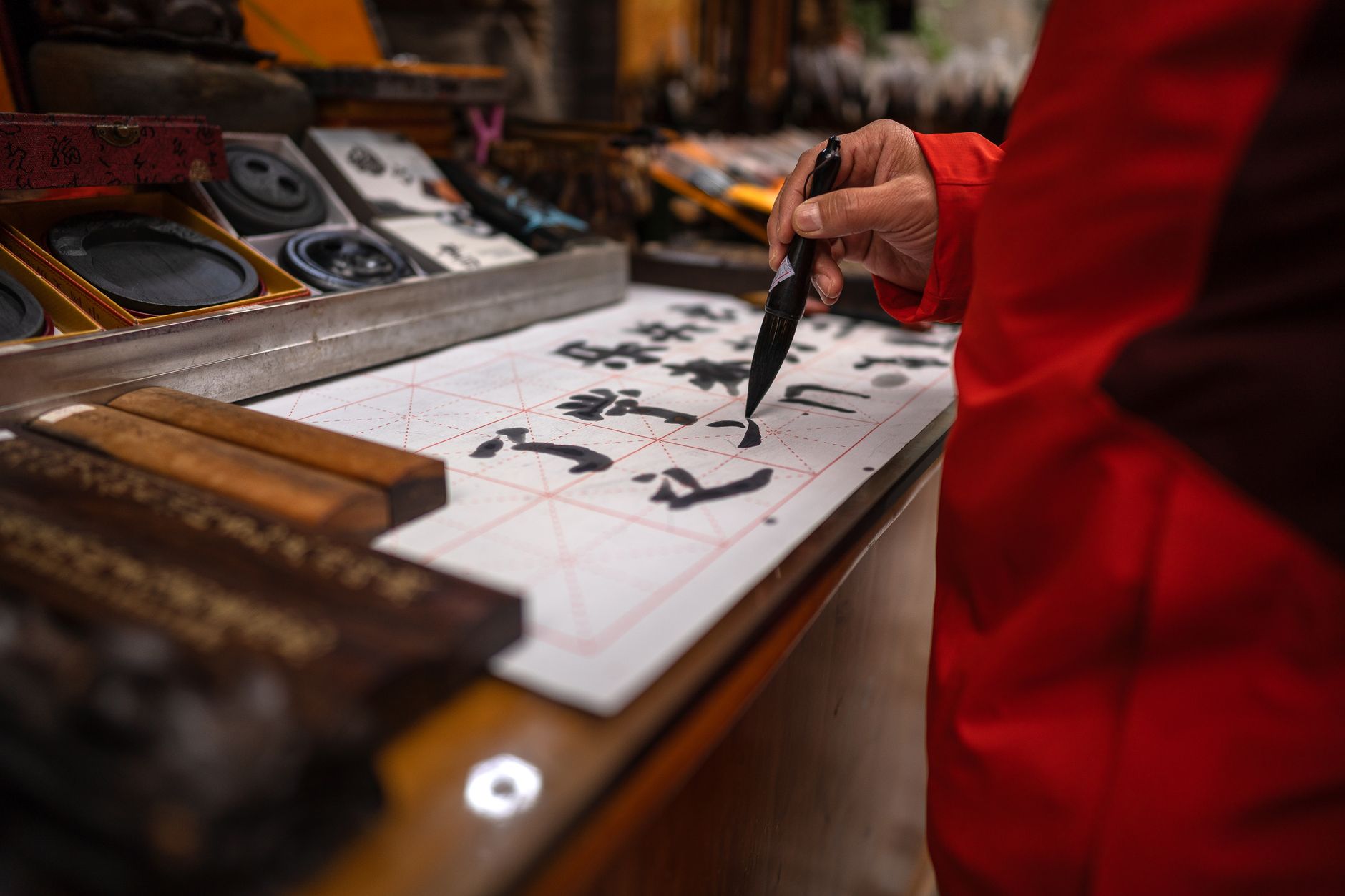
Jiang Mingdian in Shishi, Fujian, has spent nearly six decades turning private grief and longing into sentences. It has been reported that the 77-year-old may be the last remaining writer of qiaopi (侨批) — the remittance letters that once traveled with money from Chinese migrants abroad and served as a vital lifeline between families separated by migration. In one recent case, an elderly woman who could not use a smartphone sat beside Jiang and dictated a letter to her granddaughters in the U.S.; Jiang wrote the lines by hand, then the letter was printed and sent digitally.
A vanished service that shaped migration
Qiaopi emerged alongside waves of Chinese emigration to Southeast Asia and beyond in the 20th century. At their peak, entire Fujian villages depended on letter writers to communicate with relatives overseas; more than 20 stalls once competed for customers in Shishi. Jiang learned the trade from his father, cycling village to village with pens, ink, and address lists, asking the same question outside each home: “Uncle, Auntie, do you have any letters to write today?” He says he used up two bottles of ink every 10 days.
Lives recorded in ink
Jiang’s desk has held births, deaths, reconciliations, and recriminations. One client, Cai Tianzhu, returned repeatedly to have Jiang put decades of longing into words — “My dear mother, I miss you very much. It has been more than 35 years,” and the raw: “I miss you very much, but I hate you. Why did you send me back to China?” Cai eventually reunited with his mother after more than 40 years, only to lose her in a traffic accident a year later. Stories like these show how qiaopi were not just correspondence but the primary archive of family life for many migrant households.
Legacy and decline
Today Jiang writes only a handful of overseas family letters each year; most clients now come for legal paperwork or ancestral-hall disputes. Digital messaging apps such as WeChat and modern remittance systems have largely supplanted the old practice. Who, then, will craft the words for the illiterate, the bereaved, or those who cannot type? As China’s migrant past fades into digital present, Jiang’s stall is a fragile living record of a communication system that once linked continents — and of the personal histories that risk being lost with it.