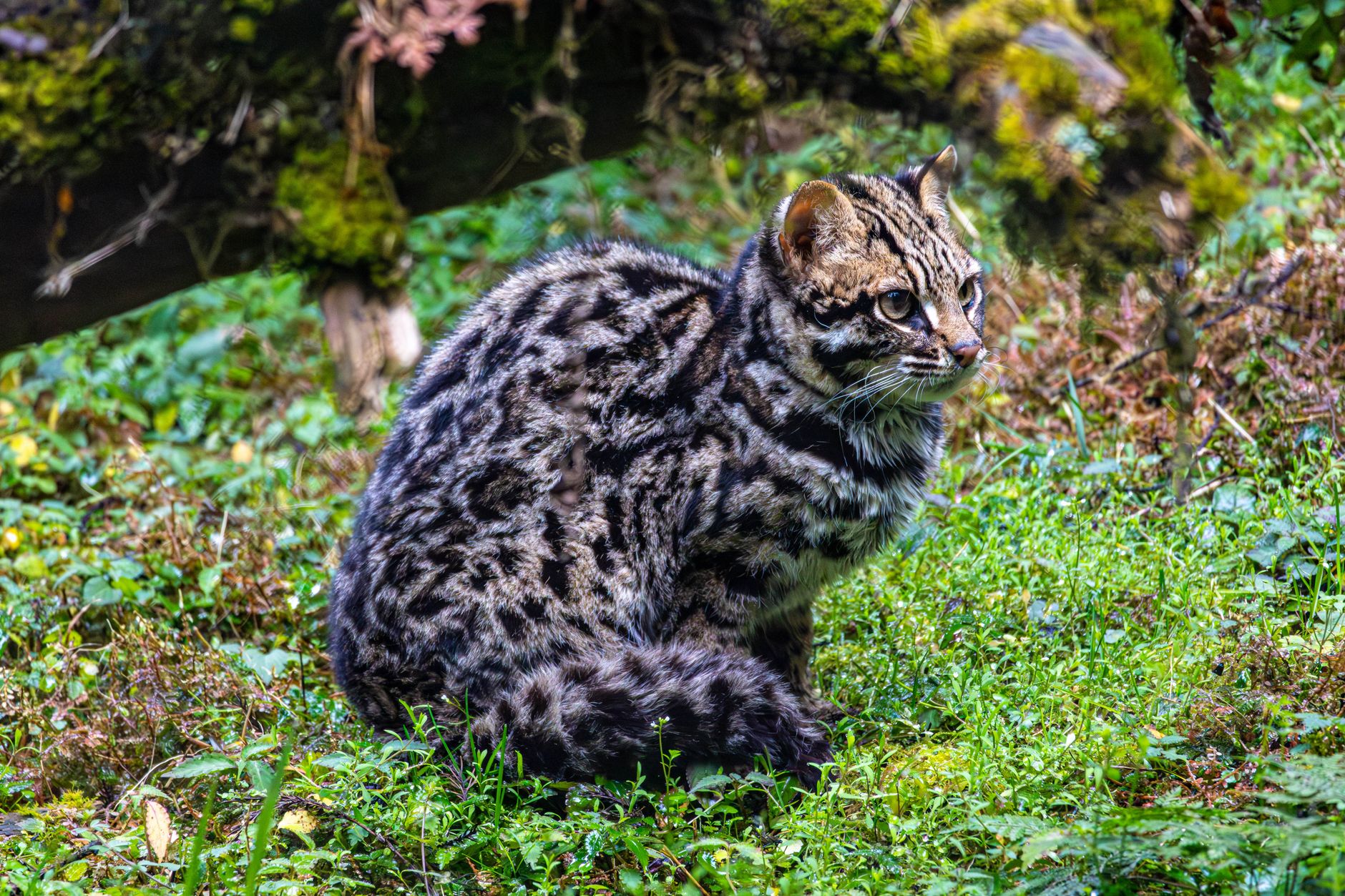
From Ancient Fields to Olympic Slopes: The Story of China’s Leopard Cats
A small cat with a surprising trajectory
Leopard cat (豹猫) populations across China have shifted their habits alongside human land use, Sixth Tone recently reported. Once common in rice paddies, reed beds, and village margins, these small wild felines have been pushed into ever-fragmented habitats by urban expansion and modern agriculture. The result: animals that historically lived cheek-by-jowl with farmers are now turning up in unexpected places — including the slopes and infrastructure corridors built for major winter-sport projects.
Conservation amid development and spectacle
It has been reported that researchers and local conservationists have found leopard cats using ski-run margins, maintenance roads, and reforested patches near Olympic venues as temporary refuges and movement corridors. Does hosting a global event inevitably spell loss for local biodiversity? Not necessarily. But these sightings underline a difficult trade-off for planners: large infrastructure projects can destroy habitat, yet certain post-construction landscapes and mitigation measures can also create new, if fragile, niches for adaptable species.
What this means for policy and public attention
Chinese conservationists are calling for more systematic monitoring, habitat connectivity measures, and community-based protections to ensure these small predators persist. International observers watching China’s environmental stewardship — especially in the context of high-profile events like the Olympics — are paying attention too. It has been reported that the leopard cat’s story is becoming shorthand for a larger question: can modern development and charismatic global spectacles coexist with the everyday wildlife that has long shared China’s agricultural and mountain landscapes?