A Decade of Overwatch in China
A fandom forged in 2019
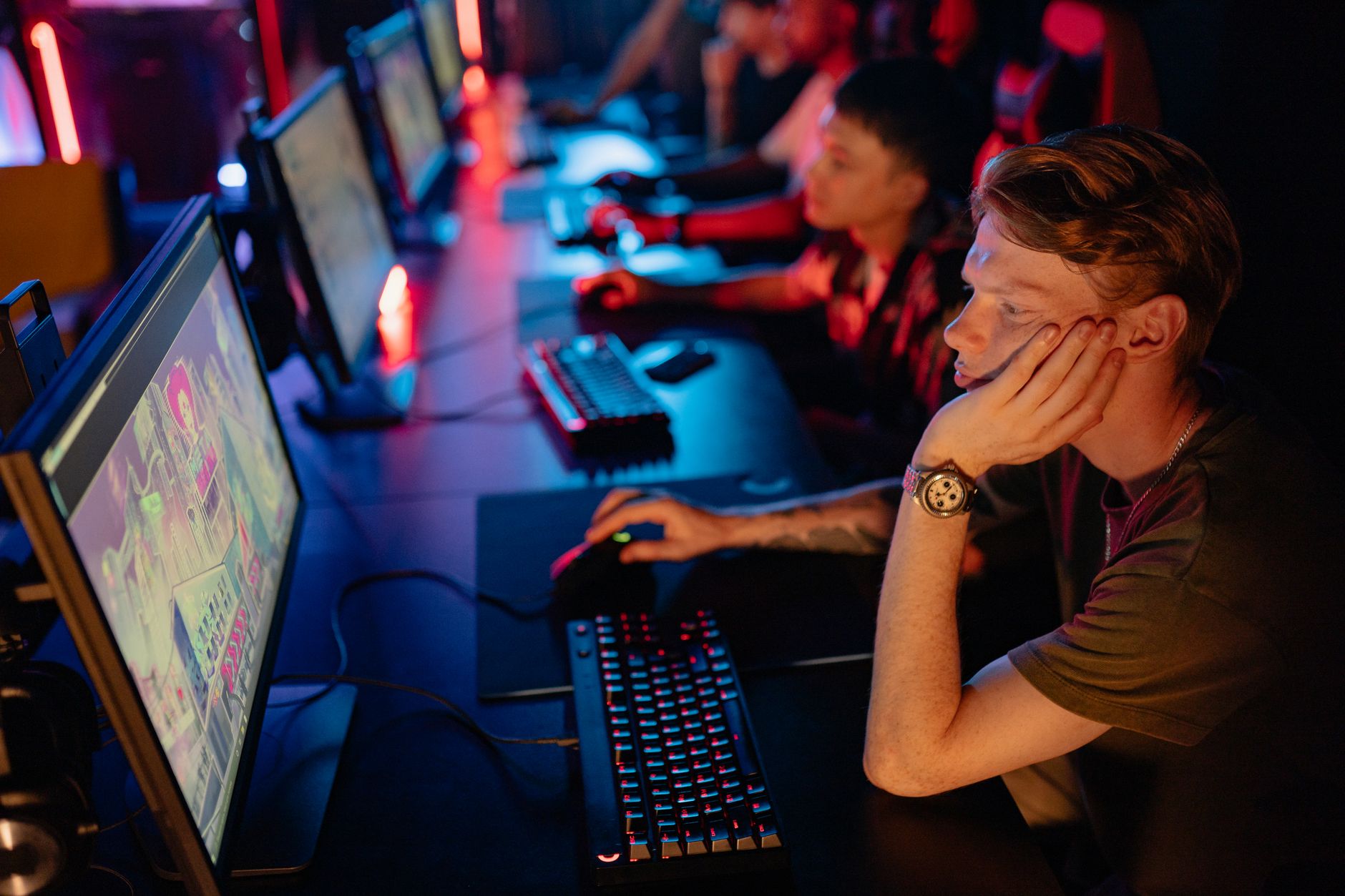
A Sixth Tone memoir traces the emotional center of Overwatch’s run in China to a very human moment: a student flat in the UK watching the Overwatch World Cup 2019 final, cheering Team China against Team USA. That image — cheap KFC buckets, international friends, and a basement turned into a roaring stadium — captures why Overwatch mattered beyond pixels and prize pools. For many Chinese fans, the hero-shooter from Activision Blizzard (动视暴雪) became not just a game but a social ritual and a pathway into professional esports during the late 2010s.
Rise, regulators and business shifts
Overwatch’s rise in China rode the broader professionalization of esports: franchised teams, city-branded clubs and state-backed arenas. Shanghai Dragons (上海龙), for example, turned an early string of losses into a symbol of local pride and eventual victory on the international stage. The game’s presence in China was underpinned by local partners such as NetEase (网易), which handled publishing and servers and helped the title find a mass audience.
But the landscape has shifted. China’s tighter regulatory oversight of games, competition from mobile titles, and global corporate frictions have all complicated the picture. It has been reported that licensing arrangements between Western publishers and Chinese distributors have faced interruptions, and reportedly changes in partnerships have left some Blizzard titles in limbo in China. Geopolitical tensions and trade policy between Washington and Beijing have only added another layer of uncertainty for foreign developers operating in the market.
What remains clear is cultural legacy. Even as formats evolve toward mobile and short‑form streaming, the memories and communal rituals documented in the Sixth Tone piece show how a single game can anchor a generation’s social life and research agendas alike. Overwatch may no longer be the growth engine it once was in China, but its decade-long imprint on fandom, pro play, and industry practice endures — and raises a simple question for stakeholders: what will the next wave of China’s esports culture look like?