When Big Tech Needed Mothers in Rural China to Train AI
What happened
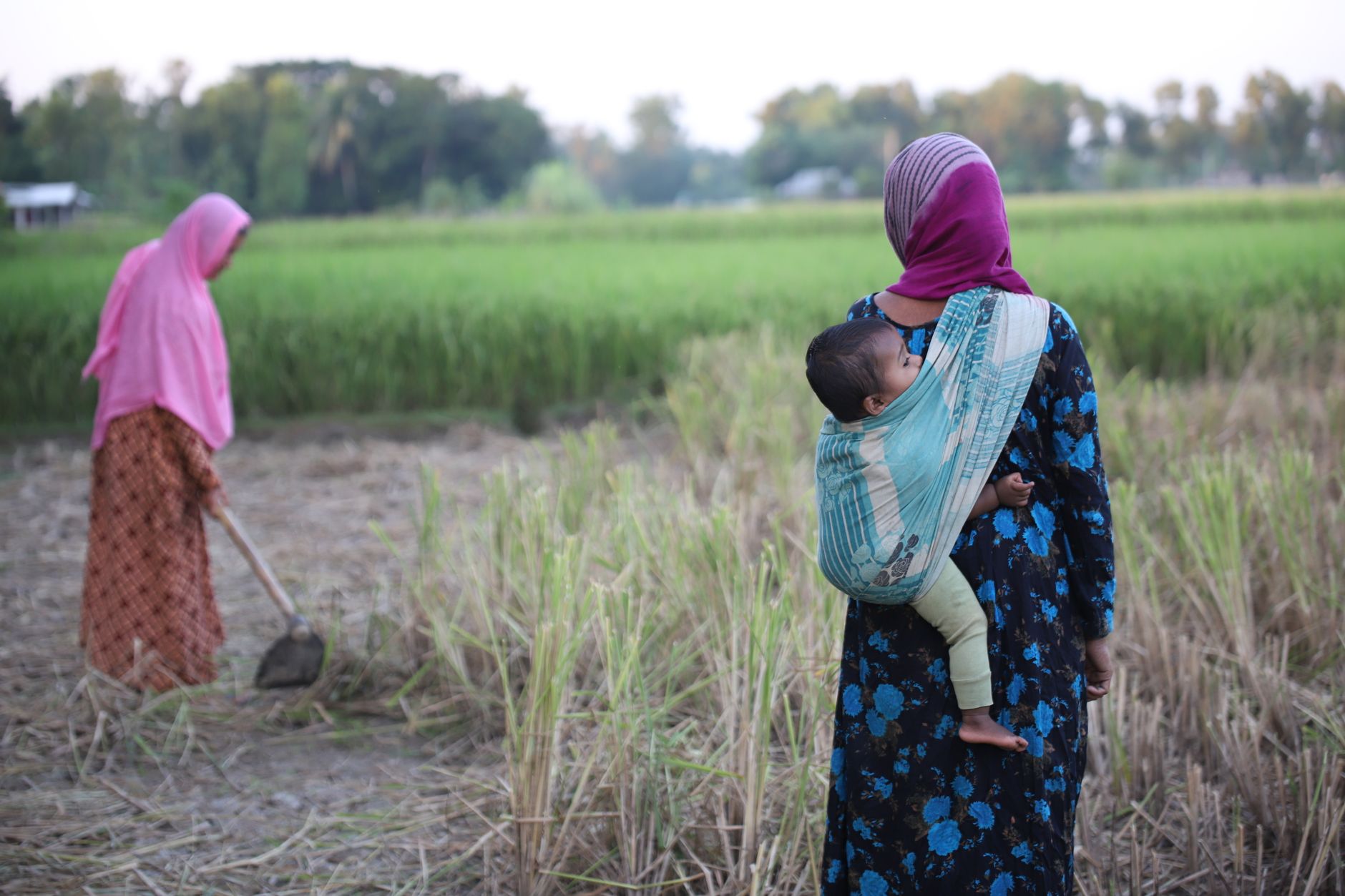
Sixth Tone has reported that a hidden workforce of rural mothers has become a crucial link in the chain that trains China’s artificial intelligence systems. Companies large and small have outsourced tedious labeling, transcription, and voice‑collection tasks to microtask platforms and local coordinators, who recruit women in villages and small towns via WeChat groups and community networks. The work is flexible and phone‑based, which suits mothers juggling childcare, but it is also piecemeal, low‑paid, and often precarious — reportedly paying only a few yuan per item or per audio clip.
How it worked
Tasks ranged from transcribing short voice messages and tagging images to reading scripted sentences for speech datasets. Supervisors sent instructions and batches through apps; workers completed work on their smartphones between chores. Why mothers? They are available, digitally connected, and willing to take on microtasks that local factory jobs or formal employment do not easily accommodate. It has been reported that large Chinese tech firms — including Baidu (百度), Alibaba (阿里巴巴), Tencent (腾讯), and ByteDance (字节跳动) — as well as specialized data‑labeling contractors, rely on this downstream labor market to scale dataset collection quickly.
Why it matters
This arrangement highlights painful tensions at the heart of the global AI boom: who does the invisible, repetitive work that makes models useful? In China, the gigification of data labor compounds longstanding urban–rural divides and exposes gaps in labor protections. It is also geopolitical context: as China accelerates its push for AI self‑reliance amid U.S. export controls and intense global competition, demand for labelled data has surged — and with it, demand for cheap, distributed human labor to teach machines nuance. Reportedly, advocates and some local officials are calling for clearer standards and protections; activists ask whether convenience for tech firms should come at the expense of vulnerable workers.