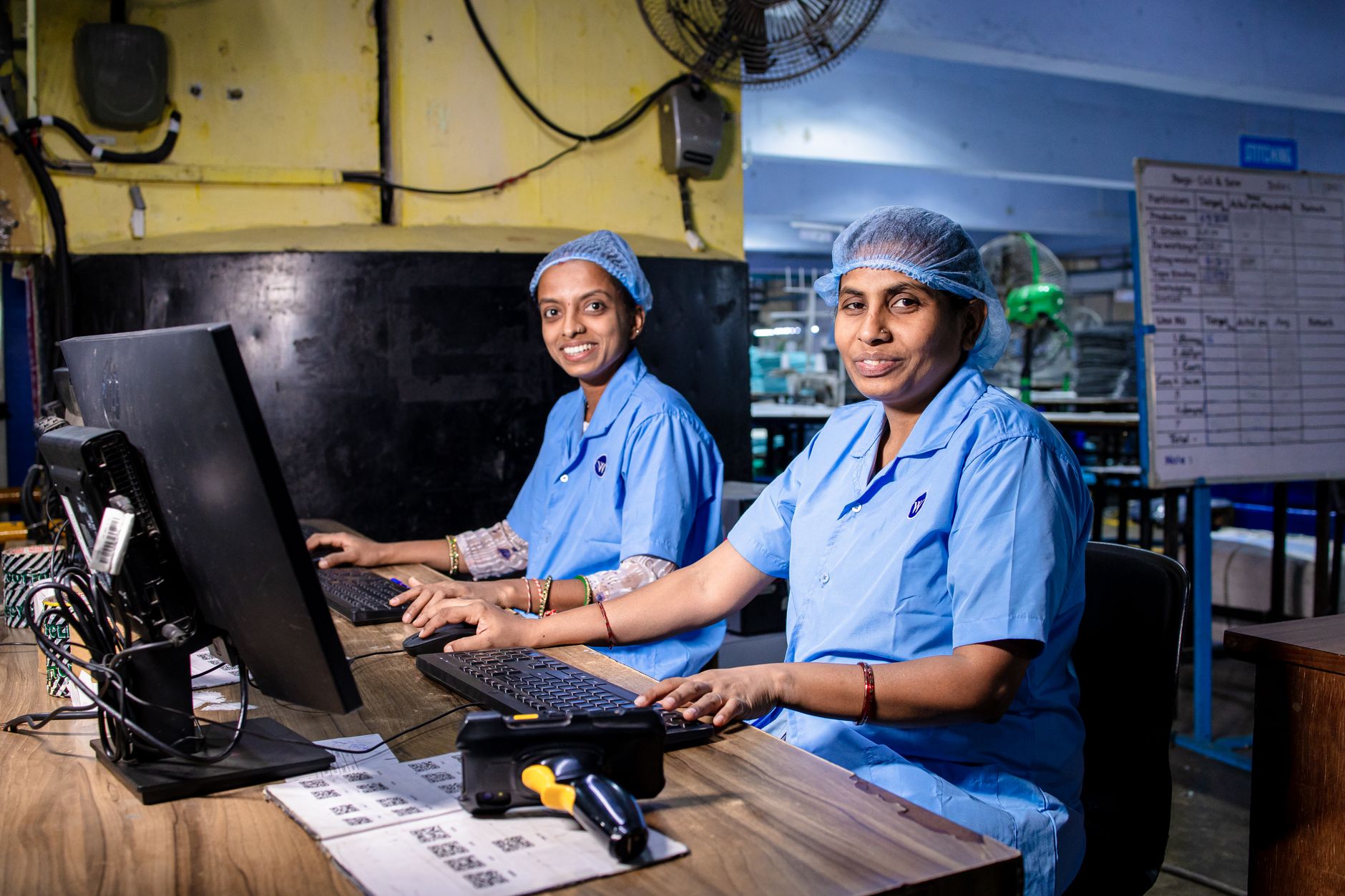
Behind China’s AI Boom Are Computer Rooms Full of Rural Workers
The engines driving China’s rapid AI rollout are not just chips and algorithms. They are rows of desktop PCs in windowless rooms staffed by rural migrants doing repetitive, low-paid work to label data, moderate outputs, and keep models running. It has been reported that these “data factories” — often located in smaller cities rather than the major coastal tech hubs — supply the human labor that fills gaps in machine learning pipelines.
AI's hidden labor force
China’s tech giants — including Baidu (百度), Alibaba (阿里巴巴), and Tencent (腾讯) — and a network of smaller contractors rely on armies of workers to perform tasks that remain difficult for algorithms: cleaning datasets, tagging images and speech, and curating training examples. Reportedly, many workers live on-site, working long shifts in tightly packed computer rooms for modest pay. Who powers the models when they fail? Often it’s these human operators, doing the “human-in-the-loop” work that makes generative systems usable at scale.
Why Western readers should care
For observers outside China, this matters for two reasons. First, it underlines that building AI at scale is not purely a hardware or software challenge; it’s also a labor problem — and one with social and ethical implications when labor standards are weak. Second, geopolitical pressures — including U.S. export controls on advanced chips — have accelerated China’s push to develop domestic AI capacity, increasing demand for data annotation and other manual support services. It has been reported that the squeeze on imported components has led firms to intensify domestic workflows, heightening reliance on these hidden workforces.
The arrangement raises questions about sustainability, quality control, and rights. If models are only as good as the human effort behind them, then labor conditions become technological vulnerabilities. Regulators, customers, and firms themselves now face a practical dilemma: scale up with cheap, precarious labor or invest in automation and better protections — a choice that will shape the next phase of China’s AI ambitions.