Chinese supplement brand falsely claiming to be Australian ignites national scandal
Scandal exposed
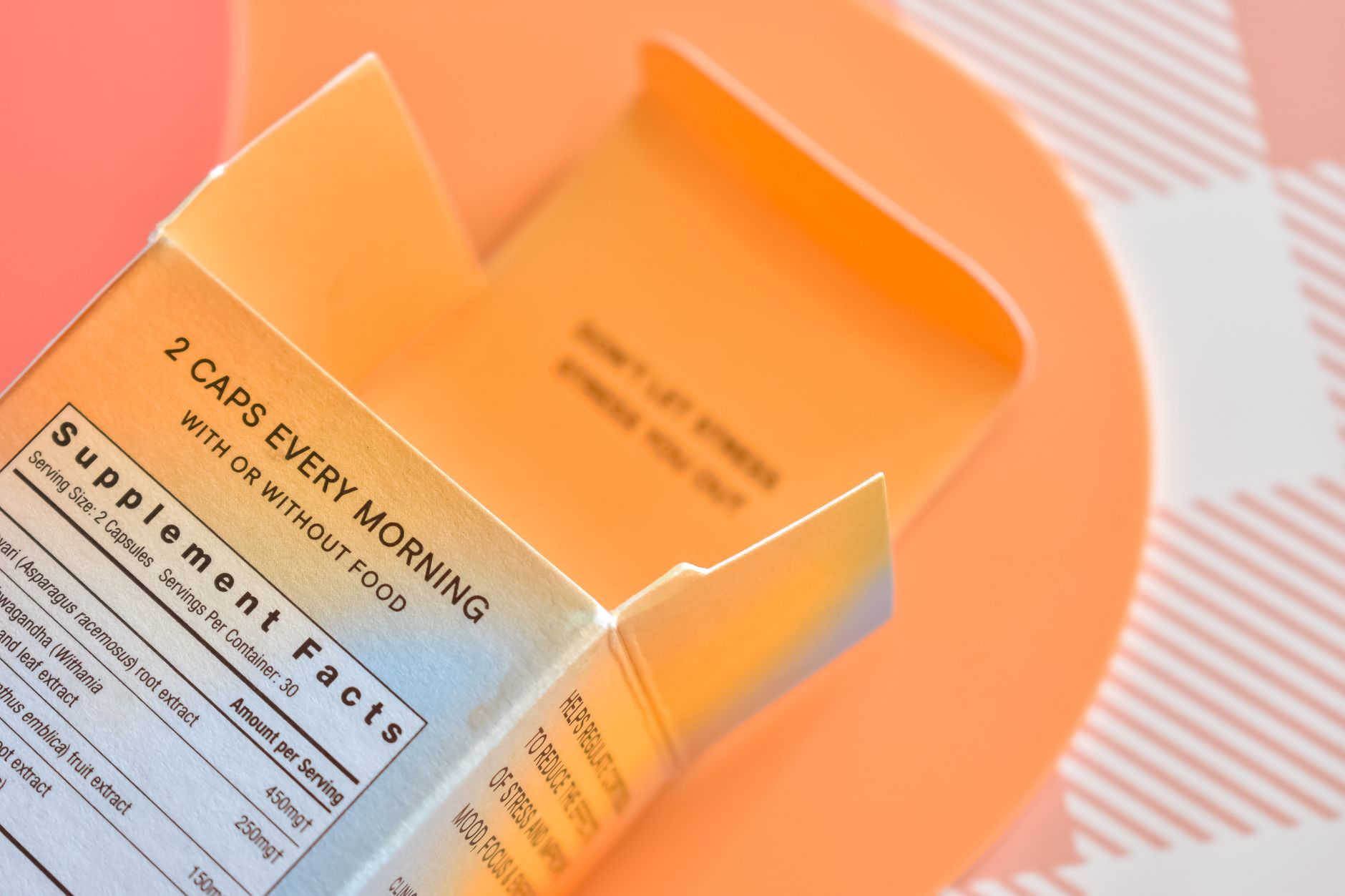
A top-selling Chinese health supplement marketed as a premium Australian import has been revealed to be produced domestically, touching off a national uproar. State broadcaster CCTV reported on April 1 that YouthIt — promoted as a deluxe Australian brand — was selling lutein capsules priced around 300–400 yuan ($44–$59) a bottle and has moved more than 6 million bottles across China’s major e‑commerce platforms. CCTV reporters traced import paperwork to a company in Anhui and found the brand’s listed Melbourne address was an unrelated auto repair shop, not a supplement manufacturer.
It has been reported that YouthIt’s products lacked the necessary government approvals to be listed as health supplements, and that the brand had paid for international cosmetic awards to bolster credibility. An anonymous employee at the marketing firm Suoxiang Marketing reportedly told CCTV the agency hired overseas “experts,” bought awards, and generated tens of thousands of promotional posts to create a foreign-made image. Consumers and parents who bought the products online have been left demanding answers. Who pays when prestige is manufactured?
Platform and regulatory fallout
Regulators moved quickly. The State Council’s food safety office, the State Administration for Market Regulation (SAMR), and the General Administration of Customs have launched a joint investigation and summoned major platforms — Douyin (抖音), Alibaba’s Tmall (天猫), and Xiaohongshu (小红书) — for talks on stricter oversight of cross‑border e‑commerce. “Platforms, as the infrastructure behind these transactions, cannot hide behind claims of ignorance,” lawyer Lei Jiamiao told Sixth Tone, citing China’s E‑commerce Law and the legal duties platforms and livestream hosts bear when verifying merchants.
YouthIt said it is cooperating with investigators, has begun an internal review and self‑correction, and ended ties with Suoxiang Marketing in 2024. Several livestreamers and celebrities who endorsed the brand have issued apologies and promised refunds for purchases made through their channels. The case highlights a broader pattern in China: foreign provenance used as a marketing lever for higher margins, and an increasingly aggressive regulatory push to protect consumers and force accountability across platforms and influencers.