Bean There, Done That: How Chinese Coffee Extracts a New Kind of Belonging
Local beans, local taste
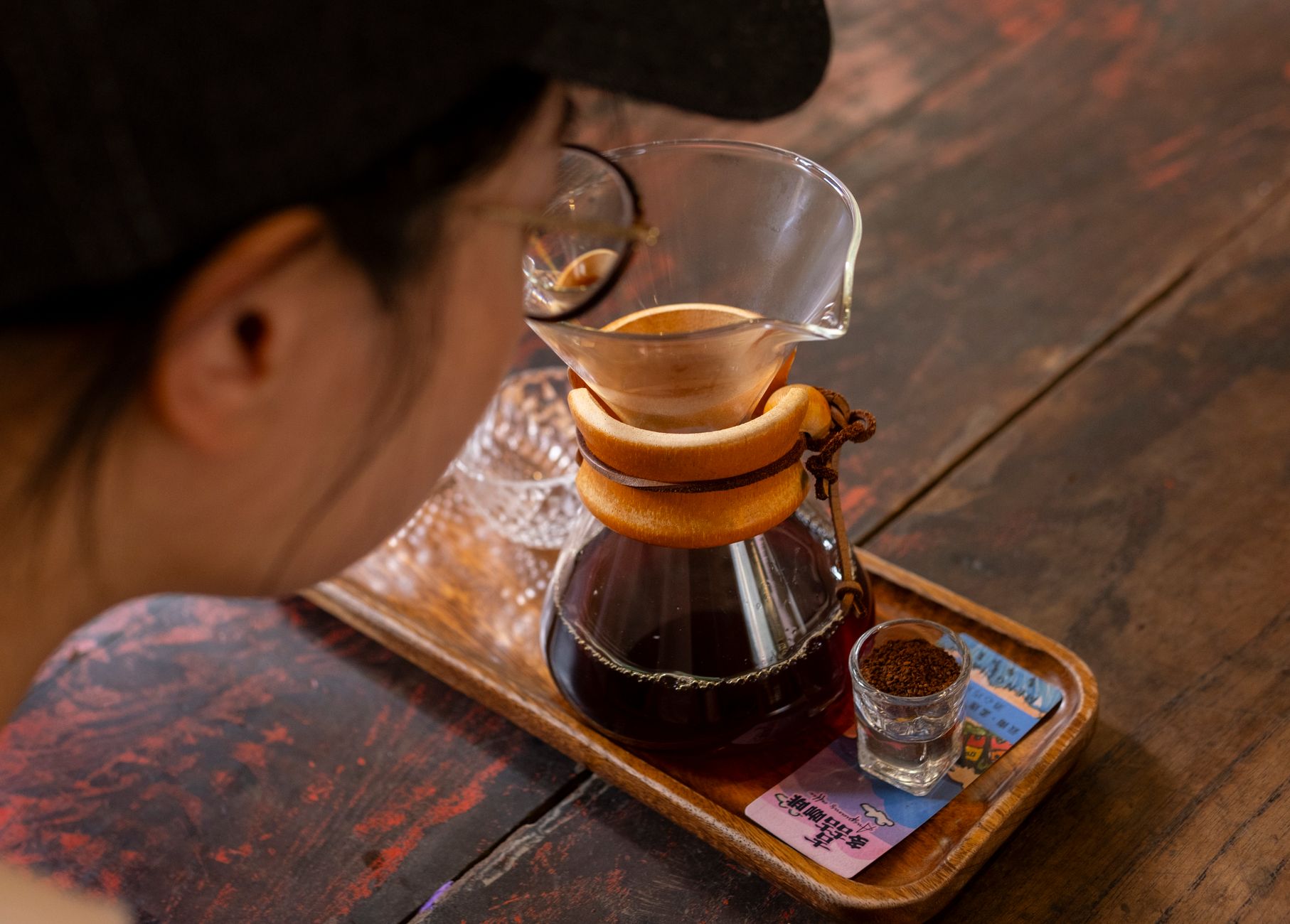
It has been reported that at a café in Kunming, 23‑year‑old graduate student Liu Ying sips a tamarind americano — bitter coffee beans from Yunnan’s famed Pu’er region meeting the sweet‑and‑sour tang of dried local tamarind. It sounds unlikely. It works. The cup is emblematic of a wider shift in China’s southwestern province, where farmers and baristas are recombining global coffee culture with distinctly local ingredients to produce a new kind of belonging.
Economy, culture and cultivation
Yunnan has become China’s coffee heartland over the past decade, supplying most of the country’s beans and moving up the value chain into specialty roasts. Small roasters and cafés in cities like Kunming and Dali are experimenting with regional pairings — tamarind, jasmine, Pu’er tea notes — to create terroir‑driven profiles that appeal to younger Chinese drinkers. Reportedly, these experiments are not only aesthetic: they help raise margins for growers and build direct connections between urban consumers and rural producers.
What it means beyond the cup
Why does this matter? For Western readers, think of it as the mirror image of third‑wave coffee in Seattle or Melbourne, but with distinctly Chinese roots and ingredients. The trend dovetails with Beijing’s broader emphasis on rural revitalization and domestic consumption, and it raises questions about how food and drink can signal identity in a fast‑changing society. Can a tamarind‑tinted americano do what tourism and state programs often cannot — make people feel at home in a place that is simultaneously global and local? The answer, at least for now, seems to be yes.