Young influencers are turning China’s cultural heritage into viral spectacle
Viral craft videos, not lip-syncs
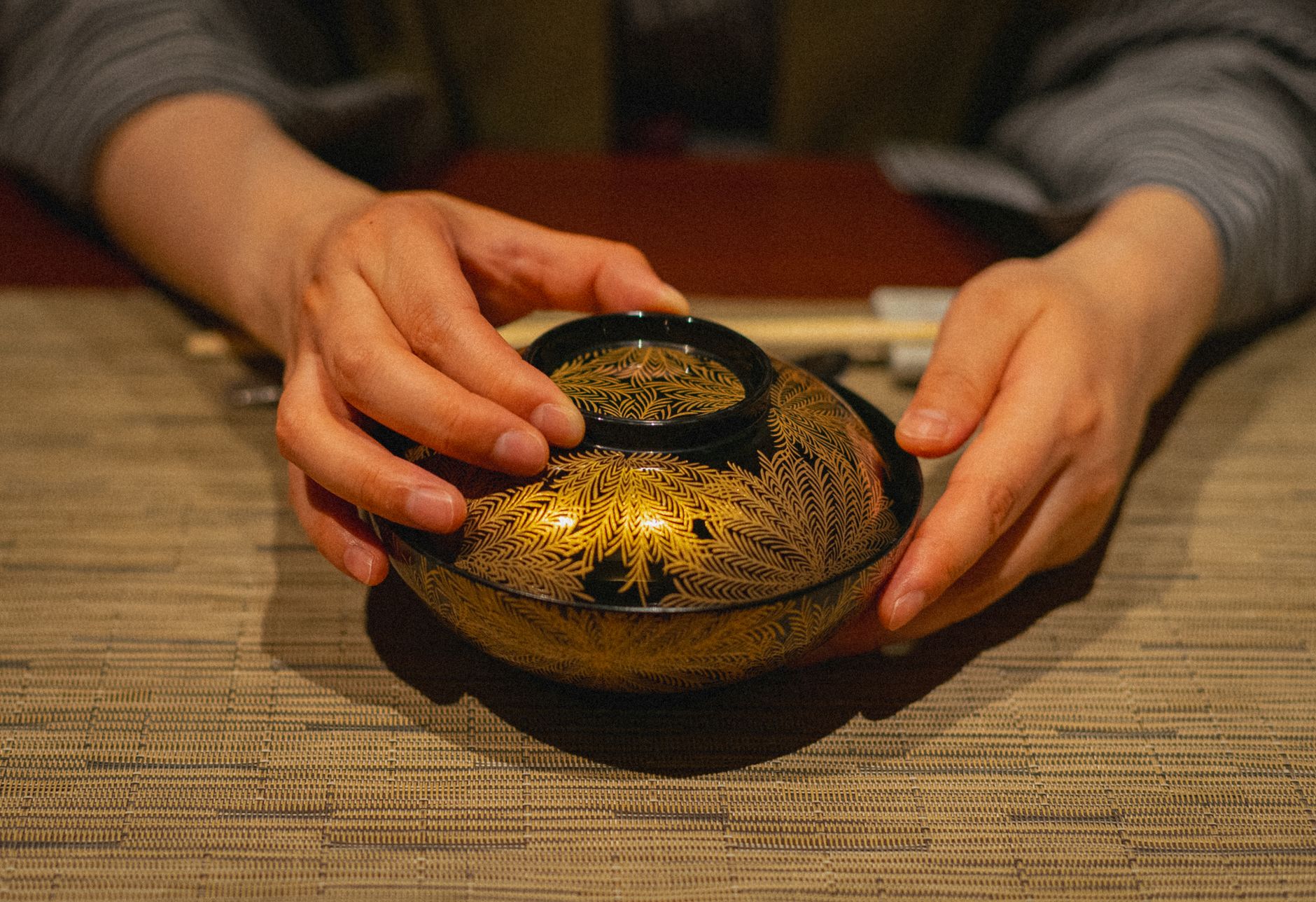
A new generation of Chinese influencers is trading dance routines and makeup tutorials for lacquerware, lanterns, and ritual fireworks — and audiences are eating it up. Shi Haifeng, known online as “Nanxiang doesn’t like to eat,” travels to Hubei to film the laborious process of draining raw lacquer and polishing a plate decorated with nine golden dragons. Another creator, Liu Yaqing (online moniker “Jiang Xunqian”), has documented months-long apprenticeships learning techniques such as “iron flowers,” a molten-iron ritual that produces showers of sparks. Their clips rack up massive attention on platforms such as Douyin (抖音), Bilibili (哔哩哔哩), and Xiaohongshu (小红书) — one video has reportedly been viewed more than 300 million times.
Young faces, old skills
Both Shi and Liu began as food vloggers before pivoting to cultural heritage, a shift that echoes the earlier success of Li Ziqi (李子柒) but with a different tone. Where Li’s pastoral, cinematic vignettes emphasize serenity, these new creators foreground apprenticeship, hands-on labor, and personal narrative arcs. Why are viewers hooked? The answer is partly demographic: millennials and Gen Z creators in their late 20s and 30s collapse the stereotype that only elder masters can transmit tradition, reframing heritage as lived, malleable experience rather than museum relics. China also has a deep supply of material — more than 40 UNESCO-listed intangible cultural traditions and countless local practices — for influencers to mine.
State attention and soft-power stakes
The rise of cultural-heritage influencers has not gone unnoticed by official institutions. They have reportedly been invited to national events and featured in state broadcasts; Shi, for example, was said to have attended the parade marking the 80th anniversary of World War II’s end and appeared on China Central Television (中央电视台)’s online Spring Festival gala. That visibility dovetails with broader state efforts to promote traditional culture domestically and abroad — a form of cultural diplomacy that takes on added weight amid escalating geopolitical tensions over technology and soft power.
Preservation, profit, and the line in between
The trend raises questions as well as admiration. Supporters say the short-video boom is reviving endangered crafts and steering young audiences toward national heritage. Critics worry that the format’s need for spectacle and quick engagement risks commodifying or oversimplifying complex traditions. Either way, the phenomenon highlights a new media ecology in China where ancient skills and modern influencers meet — and where cultural memory can be as shareable as any meme.