Inside China’s Historic Electricity Milestone and Clean Energy Revolution
China (中国) crossed a symbolic and practical threshold in 2025, consuming 10.37 trillion kilowatt-hours (kWh) of electricity — the first time the nation has exceeded the 10 trillion mark, according to the National Energy Administration (国家能源局). The figure caps a dramatic expansion: power use has grown roughly 2.5 times over the past 15 years and 7.7 times since 2000. This is not just a number. It is evidence of deep structural change — rapid industrialization, electrification of transport and heating, and the rise of the digital economy.
What's driving the surge
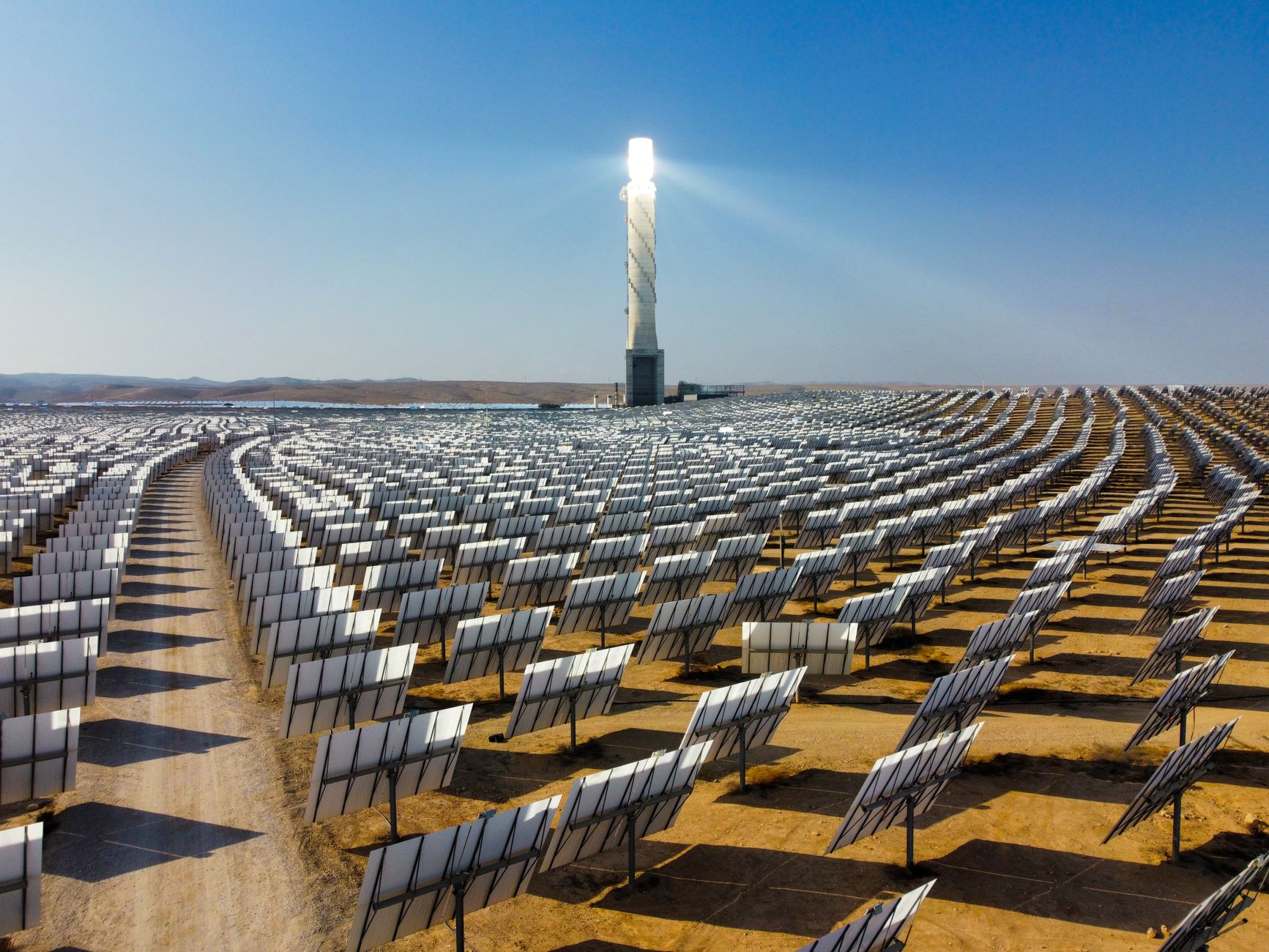
Electric vehicles, data centers, high-tech manufacturing and widespread electrification of buildings have all helped push demand skyward. At the same time, China has massively expanded renewable capacity: solar, wind and hydropower installations have proliferated, and long-distance ultra-high-voltage (UHV) lines and battery storage projects have been scaled up to move and balance that new load. But growth is uneven. Coal still supplies a large share of generation in many regions even as renewables take a larger slice of the pie, and grid integration remains a technical challenge in places with rapid wind and solar build-out.
Challenges and geopolitical context
Can Beijing keep growth clean? That is the central question. Grid curtailment, the need for faster energy storage deployment, and the difficulty of decarbonizing heavy industry are immediate hurdles. Geopolitically, trade frictions and export controls on advanced components have reshaped supply chains: it has been reported that such measures have accelerated Chinese investment in domestic semiconductor, inverter and battery manufacturing to reduce reliance on Western suppliers. China’s policy choices will therefore matter not only for domestic emissions but also for global clean-energy markets, where Chinese production dominates solar panels and battery cells.
This milestone underlines a paradox: China’s electricity system is bigger, greener in places, and more technologically advanced than ever — yet still wrestling with old dependencies and new engineering limits. For Western observers and global markets, the scale of China’s power consumption growth will be a defining factor in energy, climate and trade debates for years to come.