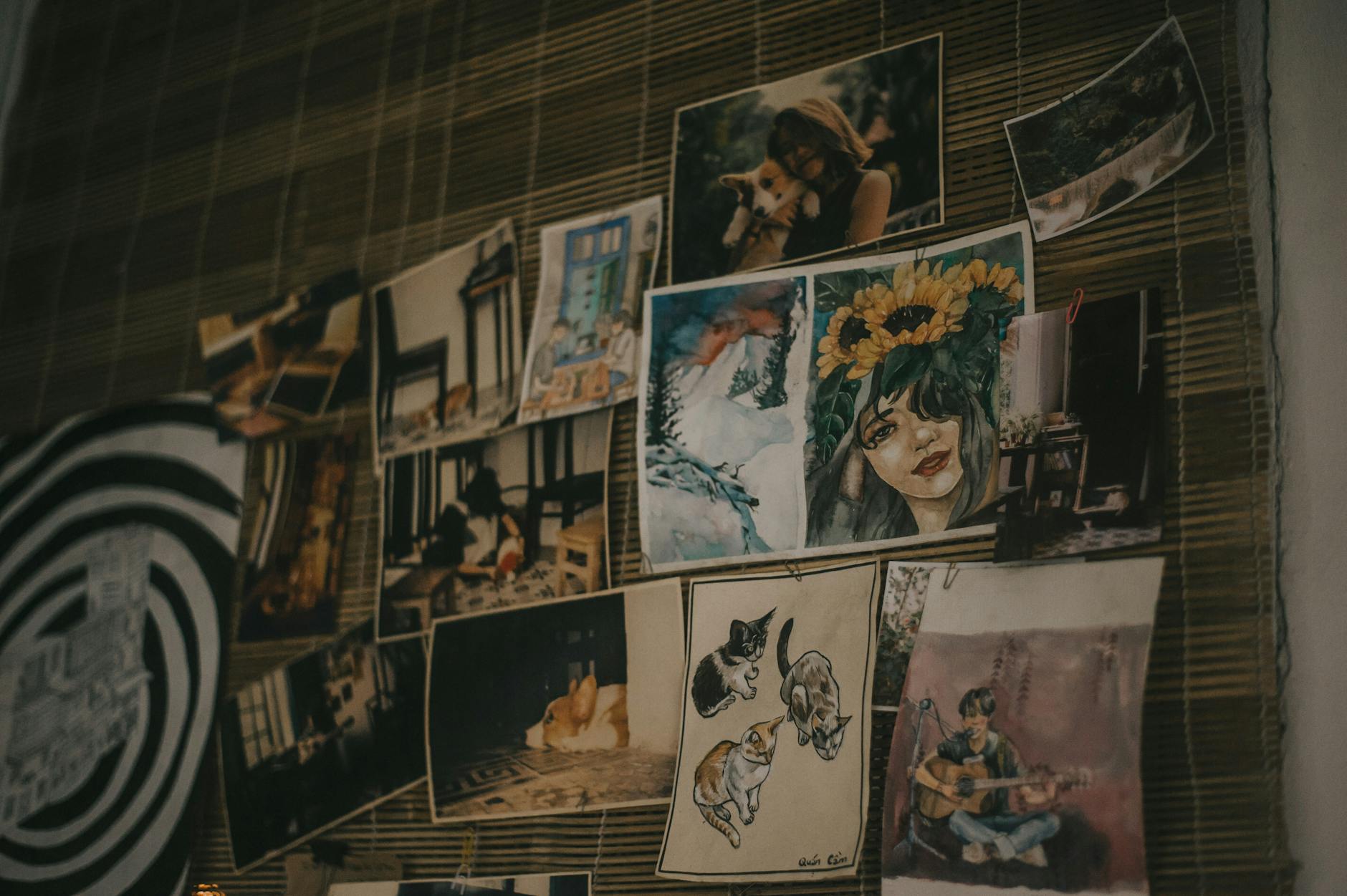
Collage: The Year of the Horse
Celebrating Cultural Heritage through Art
A vibrant new exhibition titled "The Year of the Horse" is taking center stage in China, showcasing the intricate art of collage. This exhibition reflects the rich cultural heritage surrounding the Lunar New Year, particularly the Year of the Horse, which is revered in Chinese tradition. The collage art form, which combines various materials and images, serves as an innovative medium to express themes of prosperity, luck, and rejuvenation associated with the Lunar celebrations.
A Fusion of Tradition and Modernity
The exhibition features works from a diverse group of artists who skillfully blend traditional Chinese elements with contemporary techniques. Visitors can expect to see a mixture of paper cuttings, textiles, and digital art that evoke the spirit of the horse, symbolizing strength and endurance. This fusion not only honors China’s artistic legacy but also invites a younger audience to engage with their cultural roots in a dynamic way. How does art evolve in the face of modernization? This exhibition provides an answer.
The Global Context of Chinese Art
As China's cultural expressions gain global attention, the exhibition also highlights the nation's commitment to sharing its artistic narratives despite ongoing geopolitical tensions. With trade sanctions and international scrutiny affecting various sectors, art remains a crucial area of soft power. It has been reported that the Chinese government continues to promote cultural initiatives as a way to foster international understanding and goodwill. In this context, "The Year of the Horse" serves as a reminder of the unifying power of art across borders.
Engaging the Community
Local communities are encouraged to participate in various interactive sessions linked to the exhibition, including workshops on collage-making techniques. These events aim to deepen the understanding of the art form while celebrating the Lunar New Year. With art as a bridge, the initiative seeks to inspire creativity and collaboration among individuals of all ages. Will these efforts succeed in rekindling interest in traditional customs? Only time will tell, but the excitement surrounding this exhibition suggests a promising engagement.