China’s Rewilding Gamble Pays Off: Przewalski’s Horses Run Free Again
Why this matters
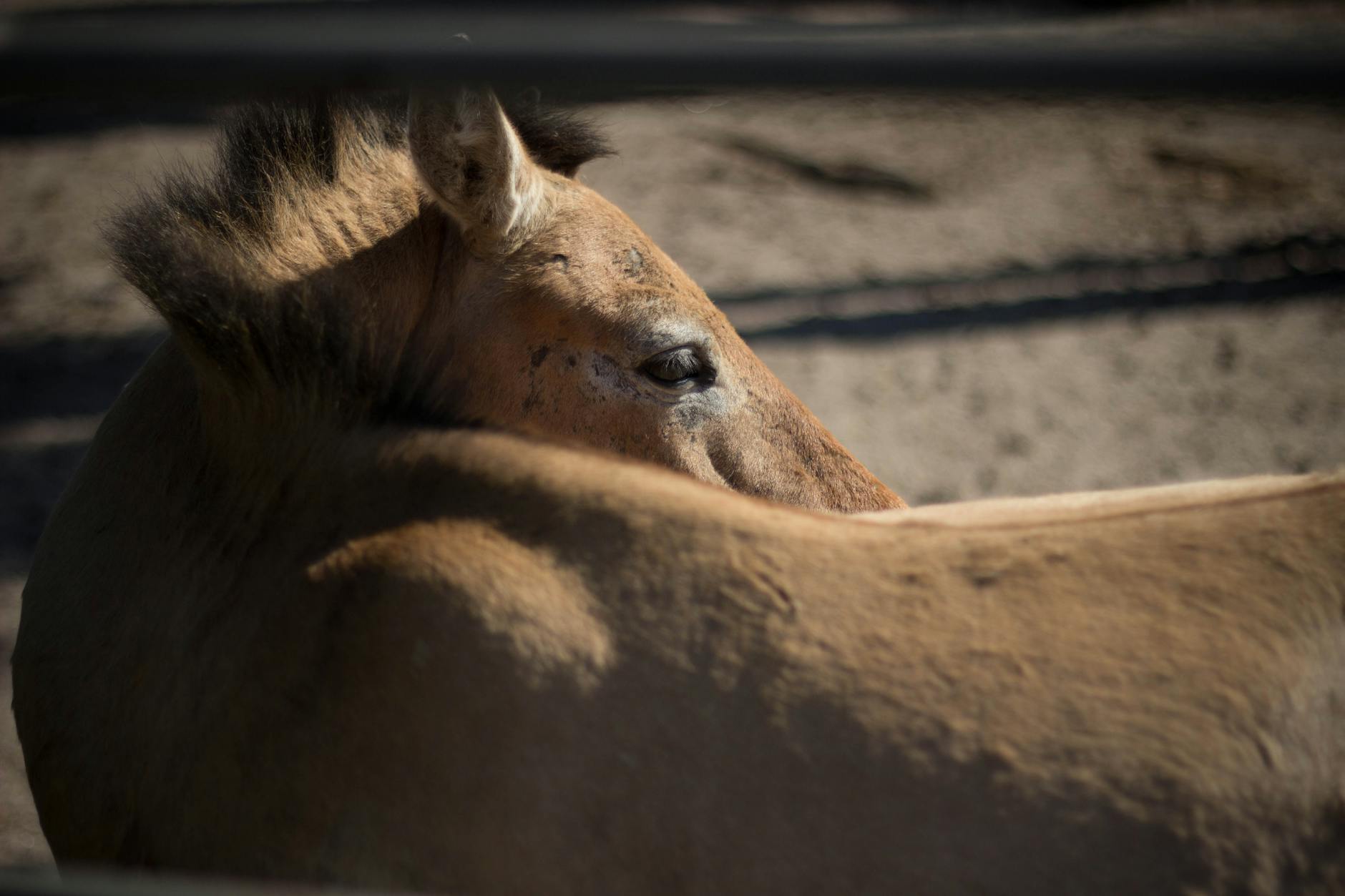
China has turned a conservation long shot into a living, galloping reality. Przewalski’s horse — the world’s last true wild horse, once extinct in the wild — now roams parts of northwestern China after decades of careful reintroduction. Sixth Tone reports that herds have taken hold in Xinjiang’s Kalamaili Nature Reserve and Gansu’s Dunhuang West Lake Reserve, with multiple generations born outside captivity. For Western readers, this is not a feral mustang story; Przewalski’s horses are a distinct subspecies that vanished from the steppe in the 20th century and survived only via a tiny global captive population.
How China did it
The method was painstaking and state-led. Beginning in the mid-1980s, China imported small founder groups from European and North American zoos, then built a pipeline from quarantine to semi-wild acclimatization enclosures and, finally, open release. Reportedly, wildlife teams used radio and later satellite collars, ground patrols, and seasonal feed and water provisioning to shepherd skittish animals through brutal winters and wolf predation. Genetic management followed international studbooks to avoid inbreeding. The result? Survival rates climbed, foaling increased, and herds learned seasonal migration routes across protected grasslands.
Context and caveats
This reintroduction sits within Beijing’s broader “ecological civilization” push to expand protected areas and restore degraded ecosystems. It also reflects an unusual continuity of cross-border cooperation despite shifting geopolitics: zoo-to-zoo transfers, CITES permits, and data sharing with Mongolian programs continued even as global tensions rose. But success remains fragile. It has been reported that drought cycles, pasture competition with livestock, and the limited genetic base still pose risks, while climate change could tighten the margins for a species adapted to tough but predictable steppe conditions.
What’s next
China’s playbook now blends old-school fieldcraft with new tools: satellite telemetry, drones, and GIS habitat modeling to guide water points, corridors, and anti-poaching patrols. The next test is scale and connectivity — linking subpopulations, buffering them from human encroachment, and keeping genomes diverse without endless imports. Can a state-engineered return to the wild become truly self-sustaining? The horses are running, for now, and that alone marks a rare conservation win.