Alibaba, Tencent lead pivot from chatbots to embodied AI for robotics
The pivot to physical AI
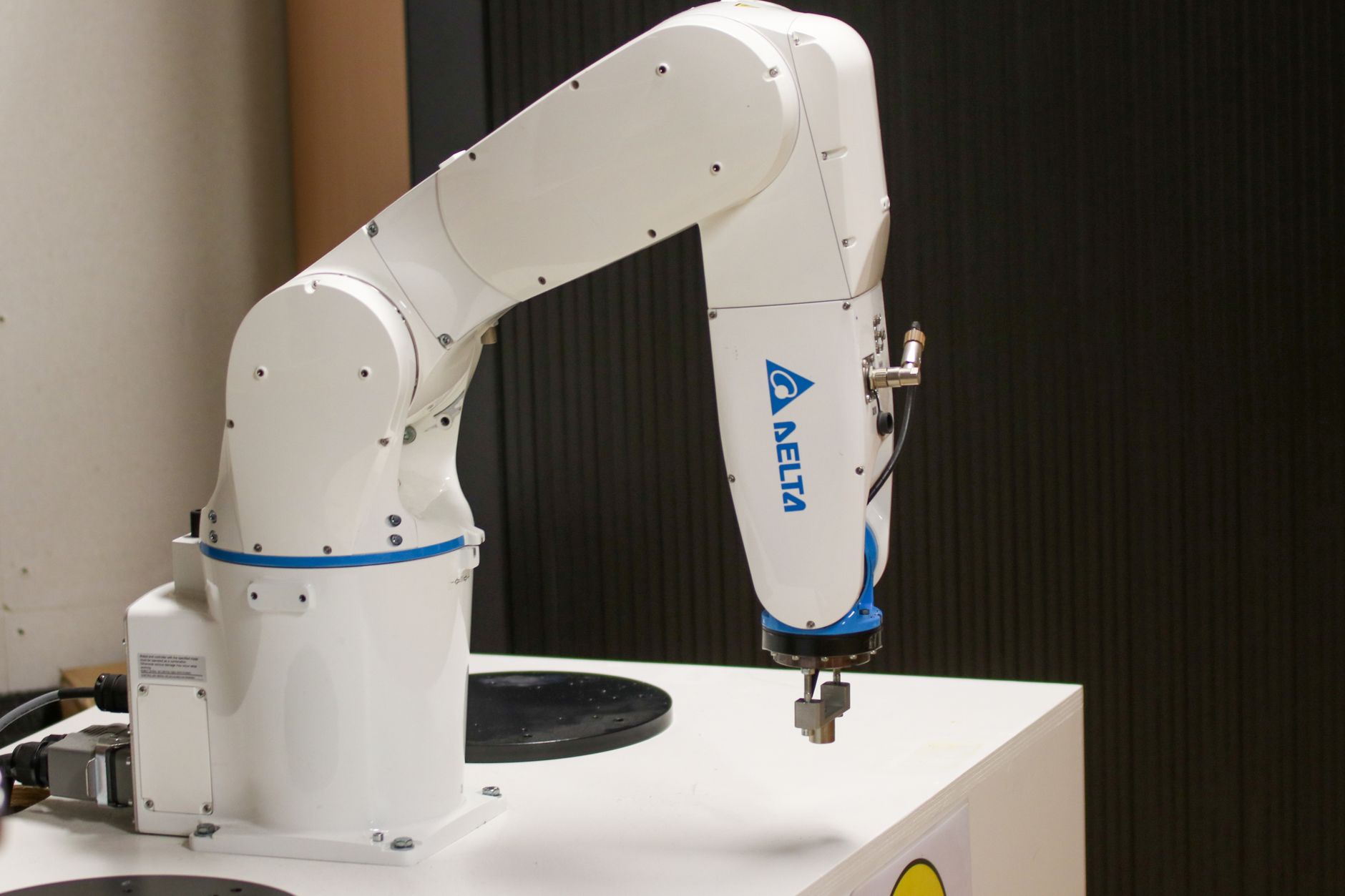
Chinese tech giants are shifting the generative-AI battleground from purely digital chatbots to embodied intelligence that controls physical robots. Alibaba Group Holding (阿里巴巴) and Tencent Holdings (腾讯) are at the forefront of that move, pushing large language models to act as “digital brains” that can call external tools and orchestrate motor actions. Why the change? Investors and engineers see more durable commercial use-cases in autonomous agents that interact with the real world.
Hardware meets software
Alibaba last week launched Qwen3.7‑Max, a model with so‑called “tool‑calling” capabilities that the company says can trigger external software and hardware to manage navigation, obstacle avoidance and task planning. Alibaba has also released supporting modules — a gripper agent, a navigation model and a vision‑language system — designed specifically for physical‑world interaction. It has been reported that Zeroth’s M1 humanoid has become the first mass‑produced robot to integrate Tencent’s OpenClaw AI agent framework, enabling large models to interpret speech and translate it directly into robotic movements. The South China Morning Post, which reported these moves, is owned by Alibaba.
Geopolitics, investors and what comes next
The sprint to embodied AI is occurring against a backdrop of Western export controls and trade tensions that have constrained access to some advanced chips and sensors, encouraging Chinese firms to stitch software and hardware more tightly together and to prioritise self‑reliance. UBS says investors increasingly view embodied AI and autonomous agents as a major next growth area. “The past few years of large language model development have mainly focused on solving problems in the digital world,” Wu Bangyi was quoted as saying in Securities Daily — now the focus is on making those models act in the physical world. Is robotics the new front line in the AI race? All signs point that way.