Anthropic’s AI code leak ignites frenzy among Chinese developers
Leak sparks a feeding frenzy
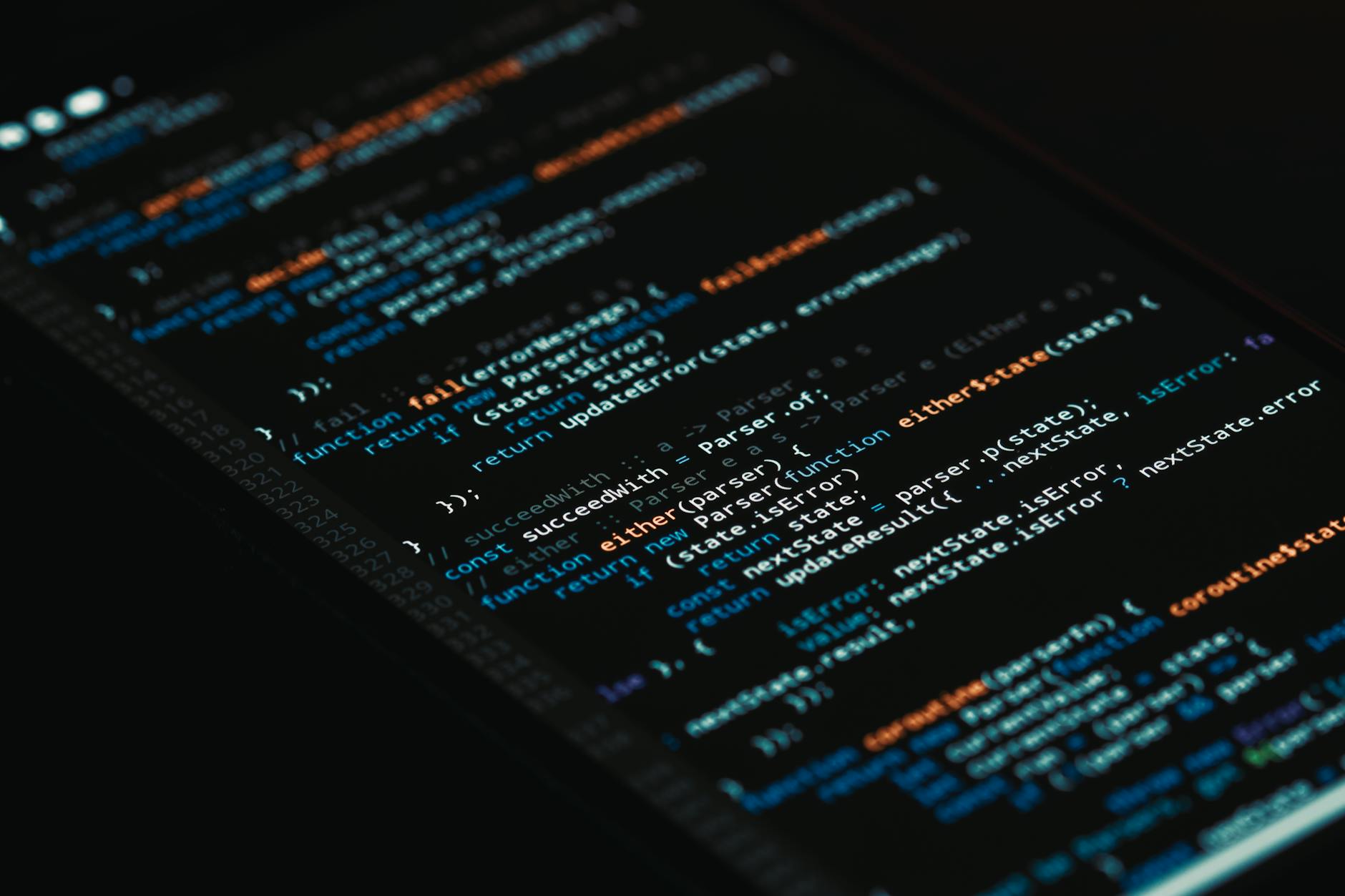
Less than a year after Anthropic publicly labelled China an “adversarial nation” and said it would limit the country’s access to its technology, it has been reported that the company inadvertently exposed the modified source code for Claude Code — its AI coding assistant — inside a publicly hosted software package. The leak, reportedly more than 512,000 lines of code, was uncovered and posted on X by software engineer and cybersecurity researcher Shou Chaofan; the post drew massive attention, it has been reported that it amassed more than 33 million views within days.
Why Chinese developers care
Why the uproar? Claude Code delivers advanced coding automation, from writing to debugging, and many Chinese developers have long sought hands‑on access despite Anthropic not making its services available in mainland China. China is among a small group of countries that cannot officially use Claude, and developers typically rely on virtual private networks to reach foreign AI services. It has been reported that Chinese developers scrambled to download copies and pore over the files to reverse‑engineer behaviors and optimisations.
Geopolitics, risk and the local AI race
This episode sits at the intersection of technology and geopolitics. U.S. export controls, corporate restrictions and rising mistrust between Washington and Beijing have pushed Chinese firms and researchers to accelerate domestic AI efforts. Will leaked code speed replication or adaptation inside China? Reportedly, some in the Chinese tech community see the leak as a shortcut to close gaps quickly; others warn of legal, security and ethical risks, and the potential for accelerating an arms‑race dynamic in AI development.
What comes next
Anthropic and regulators face choices: pursue takedowns and legal action, or tighten internal controls to prevent another accidental exposure. For Western observers, the episode underscores how fragile model access controls can be in a highly contested global market. For China’s developer ecosystem, it is a reminder that appetite for cutting‑edge tools remains high — with or without official access.