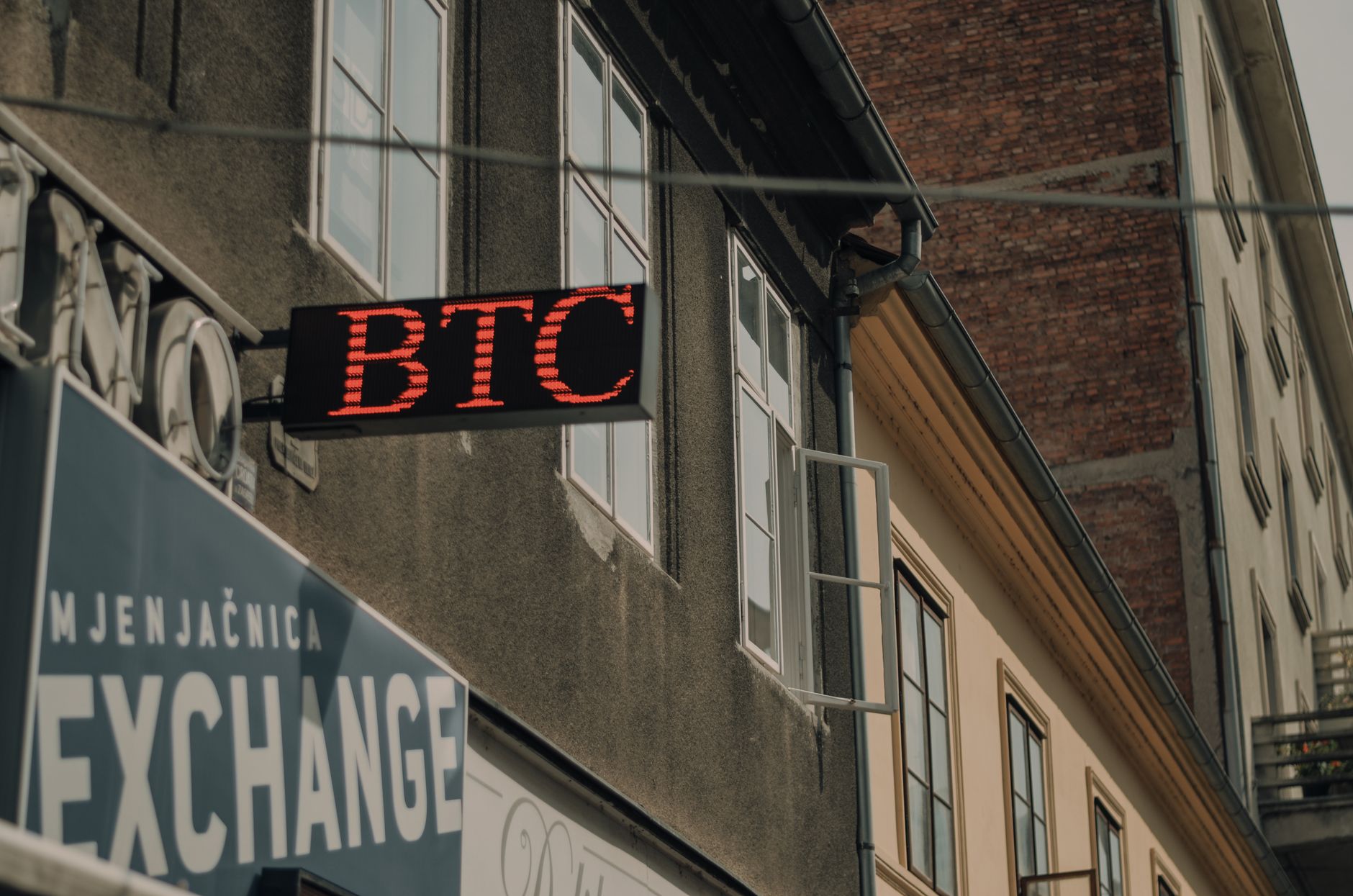
Has Hong Kong laid the groundwork to become a world‑leading crypto hub?
Regulatory clarity is the selling point
Hong Kong has moved from ambiguity to rule-making, and that change is the headline. The Securities and Futures Commission (SFC) has introduced a licensing regime for virtual asset trading platforms and the Hong Kong Monetary Authority (HKMA) has signalled work on stablecoin and custody rules. Clear rules are what exchanges and institutional investors say they want. Without them, capital and talent go elsewhere.
Geography, markets and a unique position
Hong Kong offers scale and proximity to China’s vast capital base while operating under a different legal and financial system — the “one country, two systems” advantage. Its deep capital markets, experienced legal firms and connectivity to Asian liquidity pools give it realistic strengths versus competitors such as Singapore and Dubai. Can Hong Kong become the on‑ramp for Greater China and for mainland capital seeking regulated crypto exposure? Many in the industry think so.
Obstacles: banks, competition and geopolitics
Challenges remain. Local banks have been cautious about providing services to crypto firms, liquidity and talent are contested, and rival hubs are aggressively courting business. Geopolitics complicates the picture too: mainland China’s strict crypto ban sits beside Hong Kong’s openness, and broader US‑led sanctions and export‑control regimes mean cross‑border operations can attract regulatory scrutiny. It has been reported that some mainland‑linked exchanges, and global platforms, are exploring Hong Kong licences — but reports differ on how quickly banks and institutional players will follow.
Cautious optimism
Regulatory clarity is a necessary first step, not a guarantee. Hong Kong has laid some groundwork; whether it can translate rules into volumes, services and sustainable market infrastructure remains an open question. Will investors and banks commit in scale? Time — and the next round of licence approvals and banking decisions — will tell.