Apple’s cut-price iPhone 17e faces steep odds in China’s crowded market
A budget play with compromises
Apple’s new iPhone 17e opens for presales in China on Wednesday, with a wide release on March 11. The pitch is simple: bring the latest chip to a lower price tier. Will a cheaper iPhone be enough? Analysts are skeptical. IDC China’s Guo Tianxiang said the entry model “lacks competitiveness,” arguing it reuses an “outdated” design and lags on imaging and display versus slightly pricier iPhone 17 and 17 Air variants, as well as Chinese flagships at similar prices.
Specs, price and subsidies
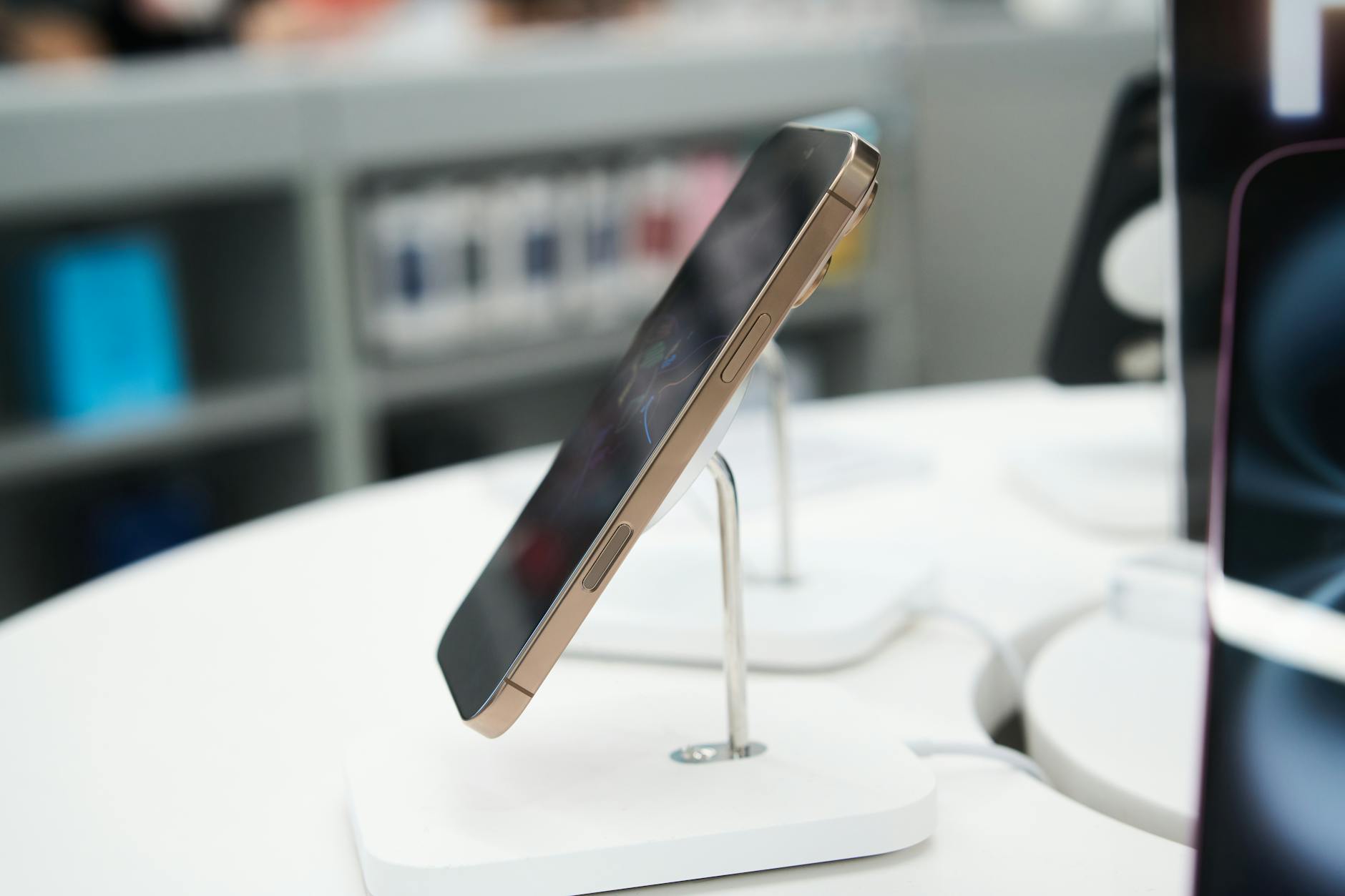
Apple says the iPhone 17e carries its latest A19 processor and a new C1X cellular modem, which the company claims doubles speeds over last year’s iPhone 16e. But the hardware trade-offs are clear: a single rear camera and a 6.1-inch screen. Pricing starts at 4,499 yuan (about US$653), and the 256GB version qualifies for China’s consumer-electronics subsidy scheme capped at 6,000 yuan, effectively lowering its sticker to 3,999 yuan. That puts it head-to-head with domestic contenders such as Xiaomi (小米)’s 17 series and Huawei (华为)’s Nova 15 Ultra, which offer at least triple rear cameras and larger displays.
The China context—and geopolitics
China remains Apple’s most demanding battleground, where brand loyalty meets relentless value-for-money calculus. Home-grown vendors—Huawei (华为) and Xiaomi (小米) among them—have rapidly improved hardware while competing aggressively on price. Despite U.S. export controls that limit access to advanced chips, Huawei has rebounded in premium and mid-range segments, intensifying pressure on foreign brands. It has been reported that some Chinese government agencies have discouraged iPhone use at work, and Apple has reportedly leaned on rare discounts to spur demand—signals of a tougher climate for the U.S. firm.
Outlook
The iPhone 17e’s proposition is clear: flagship-class silicon at a lower price, sweetened by state subsidies. Yet in a market where camera arrays, displays, and perceived value drive upgrades, compromises may overshadow the chip. Apple is betting that price plus performance can sway fence-sitters. China’s consumers, spoiled for choice, will decide soon enough.