Xiaomi (小米) doubles down on chips and AI as rivals chase humanoid robots
Big bet on core tech
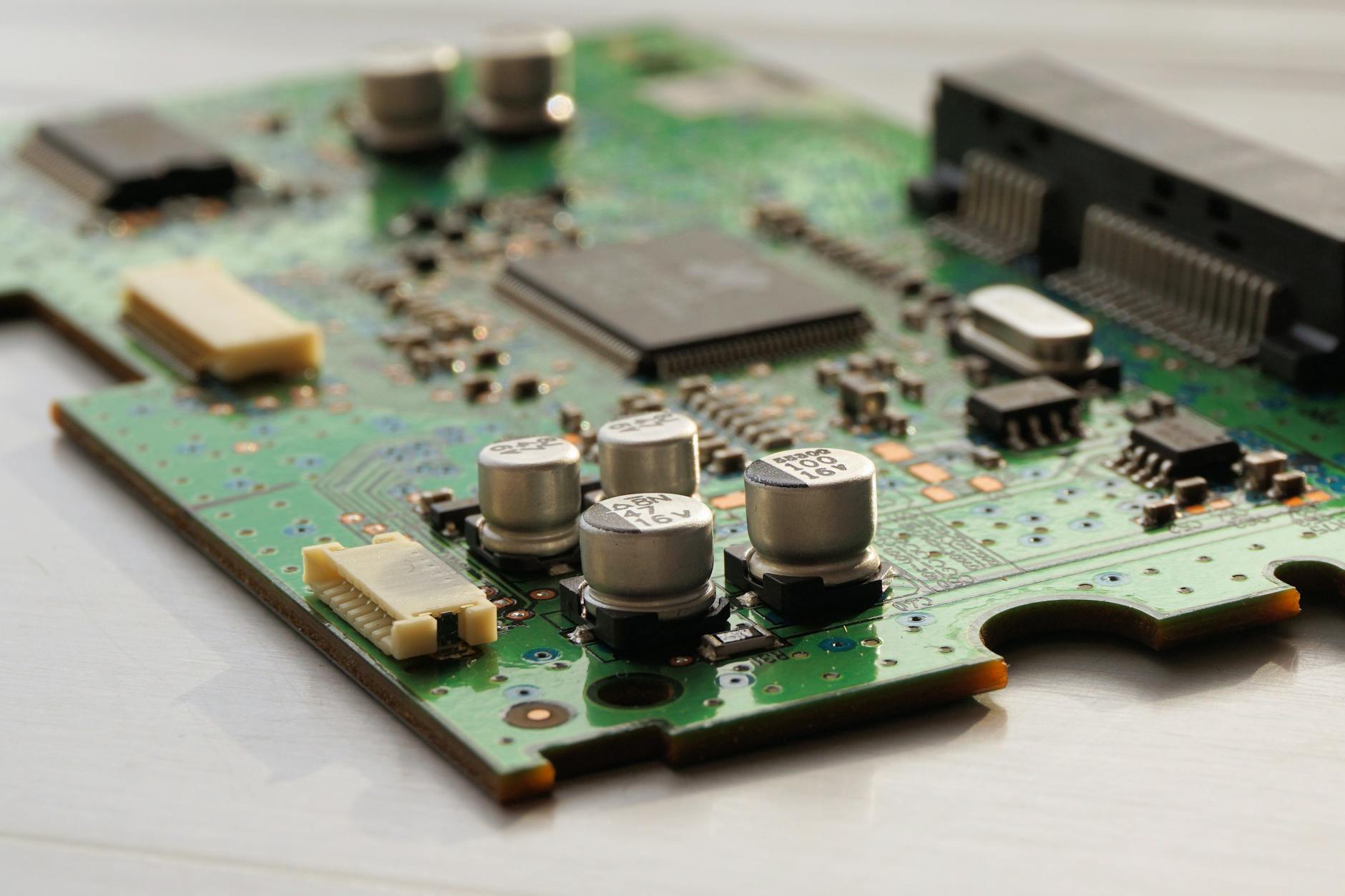
Xiaomi (小米) is escalating its push into semiconductors, artificial intelligence and operating systems, aiming to rebrand itself as a deep-tech player amid China’s self-reliance drive. Founder and CEO Lei Jun said private tech firms must increase investment in core technologies and accelerate commercialisation, according to an interview with state-run China News Service (中国新闻社). He reiterated a plan, first outlined at a company awards event last month, to integrate Xiaomi’s in-house chip, operating system and self-developed large AI model into a single device this year. Can Xiaomi turn vertical integration into a defensible moat?
Money and milestones
It has been reported that Xiaomi invested more than 100 billion yuan (US$14.5 billion) in research and development over the past five years, delivering breakthroughs in self-developed chips and other foundational tech. At the same event, Lei pledged 200 billion yuan over the next five years for core R&D, targeting chips, operating systems and AI, while advancing work in robotics. “Private enterprises’ biggest advantage is their proximity to the market and users,” Lei said, arguing that speed from lab to product is where China’s tech champions can win.
A robotic arms race
While Xiaomi doubles down on core stacks, peers including Li Auto (理想汽车) and Xpeng (小鹏) are accelerating moves into humanoid robotics, reportedly seeking new growth avenues that leverage existing capabilities in sensors, actuators and autonomous systems. For Western readers, this reflects a broader Chinese trend: consumer-electronics and smart EV makers are converging on AI-heavy platforms, from vehicles to robots, to capture talent and ecosystem share across devices.
Policy and geopolitics
The push comes roughly a year after President Xi Jinping (习近平) met leading private tech entrepreneurs, part of Beijing’s effort to shore up private-sector confidence and build resilience amid a tech rivalry with the United States. US export controls on advanced AI chips and tools have tightened supply for Chinese firms, raising the stakes for domestic semiconductor and AI development. Xiaomi’s bid to fuse its own chips, OS and large model into commercial products is both a strategic hedge against external shocks and a test: can China’s consumer-tech champions convert policy tailwinds and massive R&D outlays into differentiated, scalable devices?