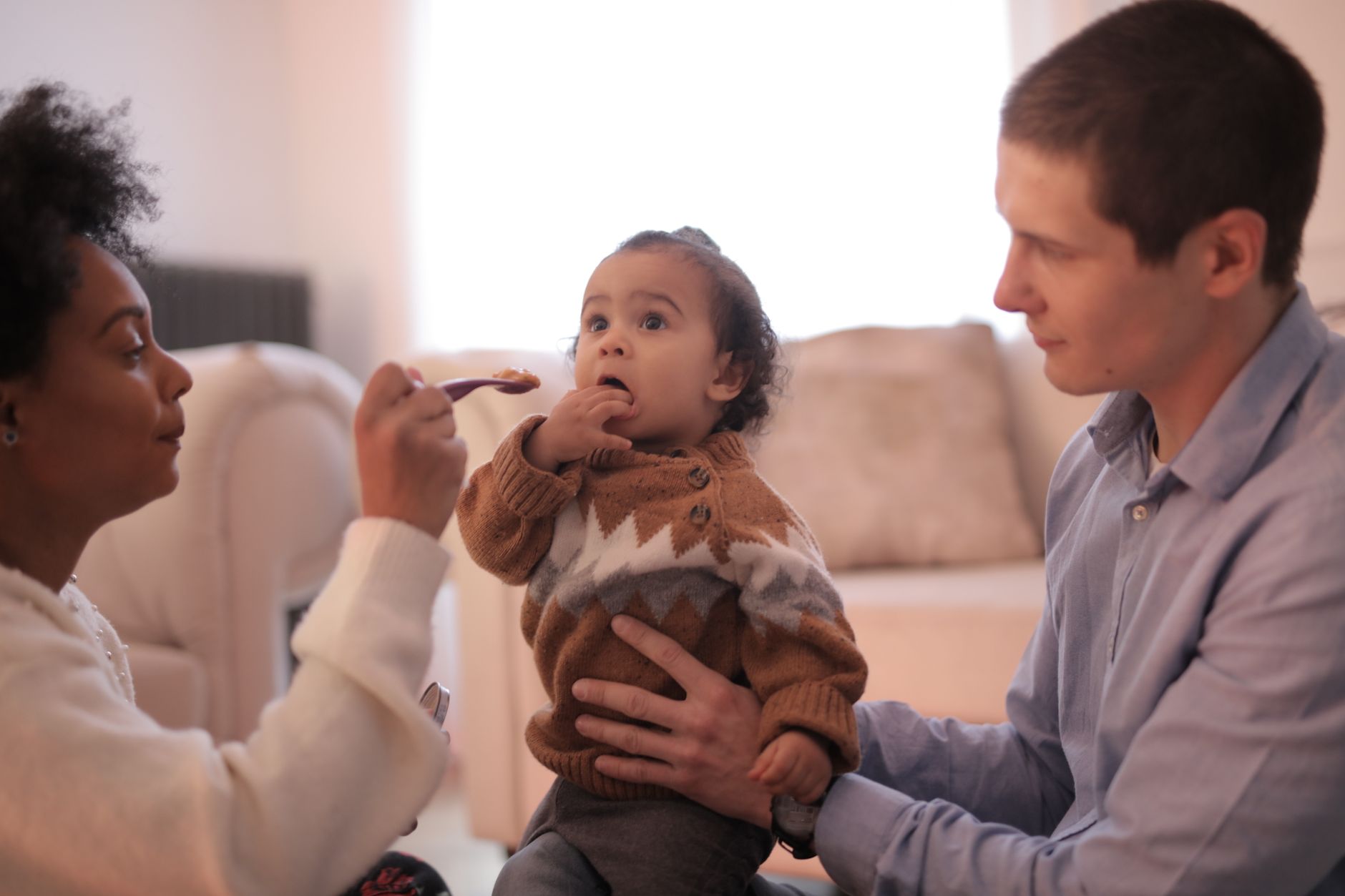
Parents reportedly fed one-month-old just 60 ml per feed after following Doubao's advice — Doubao (豆包) pushes back
What was reported
It has been reported that a pair of new parents in Nanning, Guangxi, followed advice from the Chinese AI assistant Doubao (豆包) and gave their one‑month‑old baby only 60 ml of milk per feeding, leaving the infant unsettled and without expected weight gain. The claim spread quickly on social platforms and hit Weibo hot search, prompting widespread alarm and a flurry of reprints from marketing accounts. The original reports did not publish the chat transcript cited by the parents, so the exact prompt, context and full AI reply remain unclear.
Doubao's response
Doubao issued an official statement saying the media accounts contain inaccuracies and that the company immediately contacted the hospital and physician involved to verify facts. The company pointed to the National Health Commission (国家卫生健康委员会) 2024 "Infant Nutrition Feeding Assessment Service Guideline (trial)", noting that feed adequacy must be judged by total daily intake, feeding frequency, weight gain and infant responses — and that formula or mixed‑fed one‑month babies typically require about 600–700 ml per day while breastfed infants under three months are advised to feed on demand 8–10+ times daily. Doubao said its internal testing shows the model would not normally advise “60 ml per feed” in isolation; it typically provides daily total ranges, prompts caregivers to monitor reactions, and urges consultation with physicians. According to Doubao, the treating doctor told them a family had mentioned “60 ml” during a consult about a jaundiced infant but did not supply the AI chat record, leaving room for misunderstanding.
Wider implications
The episode highlights persistent risks when large language models (LLMs) are used for medical queries: ambiguous prompts, missing transcripts and viral headlines can turn partial outputs into harmful misinformation. China has been tightening oversight of AI and information safety, especially in health and vertical domains — and Doubao says it will strengthen vertical accuracy and safety reminders. Bottom line: AI can inform, but it is not a substitute for a clinician’s diagnosis. Who decides what an AI should be trusted to recommend about an infant’s nutrition?