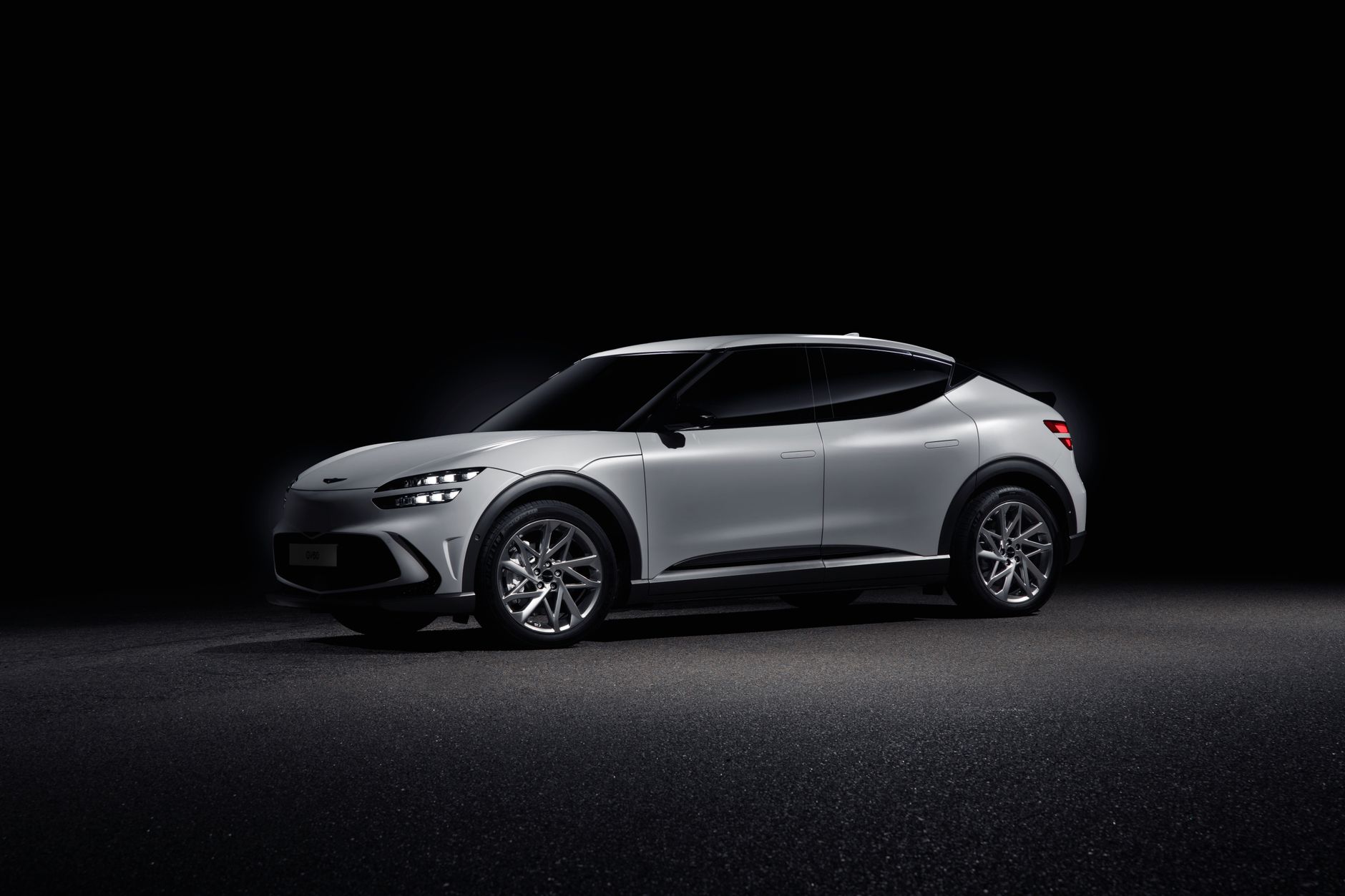
NIO says ES9’s hidden door handles comply with current national standards
NIO’s defence and the public question
NIO (蔚来汽车) has publicly responded to concerns about the hidden door-handle design on its new ES9 flagship SUV, saying the feature complies with existing Chinese regulations and remains safe for users. The company pushed back after a wave of public debate: the ES9 uses pop‑out, concealed handles but, NIO said, they meet today’s rules and are equipped with multiple mechanical and electrical backups. Sleek design. Tough questions. Does form here risk function? NIO insists not.
New national standard and the compliance timeline
It has been reported that the controversy was provoked by a new mandatory standard, GB 48001‑2026, approved on Jan. 28, 2026 by China’s Ministry of Industry and Information Technology, which targets safety issues tied to electronic hidden handles such as “operational inconvenience” and “inability to open after accidents.” Under the published timetable, vehicles applying for new type approvals from Jan. 1, 2027 must comply, while already approved in‑production models have until Jan. 1, 2029 to meet the rules. NIO says the specific restrictions under the new standard mainly apply to models announced after Dec. 31, 2027, and therefore the on‑sale ES9 is not affected.
Safety features and regulatory context
NIO detailed a layered safety approach for the ES9: automatic unlock and handle pop‑out after collisions, manual mechanical triggers at the handle front or rear if the motorized release fails, interior emergency pull‑handles with luminous markings under door carpets, and dual low‑voltage battery redundancy to avoid single‑point electrical failure. The ES9 also includes an anti‑icing “breakout” function controllable via NIO’s NOMI in‑car assistant or the mobile app to force the handle out in cold conditions. NIO said it participated in drafting the new standard and will continue to adapt future models to meet evolving requirements — a reminder that China’s tightening of automotive regulations matters for both domestic brands and foreign automakers operating in the world’s largest EV market.