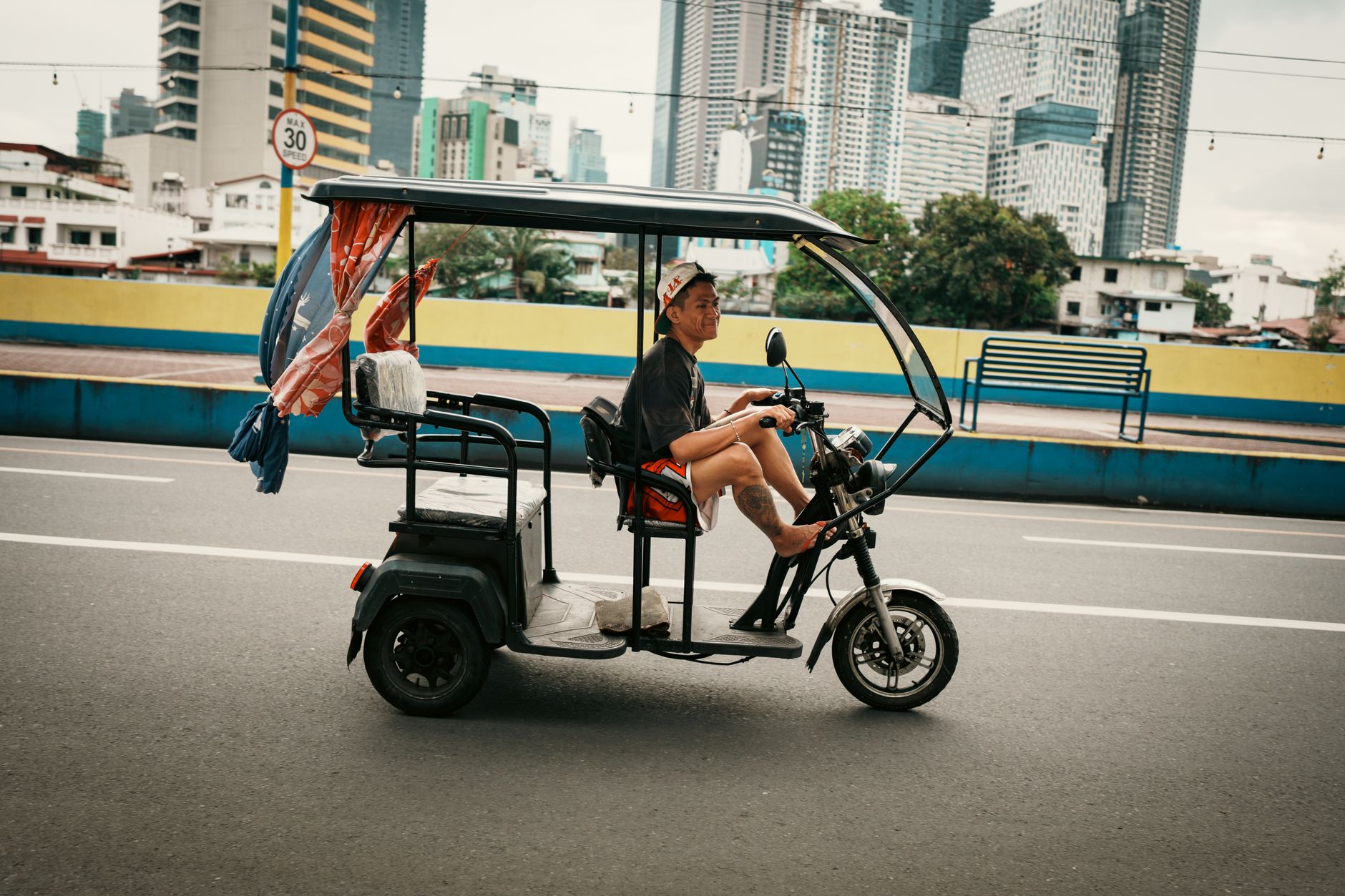
Multiple regions crack down on low-speed electric mobility vehicles (‘laotoule’); Jinzhong (晋中), Shanxi (山西) to ban related models from roads starting April 21
What changed
It has been reported that Jinzhong (晋中) in Shanxi (山西) will begin a full ban on low-speed electric mobility vehicles — commonly known as “laotoule” (老头乐) — on local roads from April 21, 2026. The move is part of a widening trend across Chinese cities to restrict or prohibit these low-cost, low-speed electric vehicles after a rise in traffic incidents involving them. Enforcement will reportedly include legal penalties for violations and measures against those who obstruct law enforcement.
Enforcement and legal context
Local authorities say police will enforce the ban and punish disruptions under China’s Public Security Administration Punishments Law (《治安管理处罚法》); cases that meet the threshold for criminal behavior will be pursued under criminal law. The Jinzhong notice specifically warns that driving or parking such vehicles on public roads after the cutoff date will be subject to investigation and penalties. It is unclear how uniformly enforcement will be carried out across rural lanes versus urban arterials.
A rolling national pattern
This is not an isolated decision. Beijing (北京) implemented a citywide prohibition on laotoule on January 1, 2024, and other municipalities — including Hefei (合肥), Tianjin (天津), Zibo (淄博), Sanmenxia (三门峡) and Bengbu (蚌埠) — have introduced restrictions or bans in recent years. Reportedly, authorities cite rising traffic safety risks and the vehicles’ inconsistent adherence to vehicle standards as key drivers of the policy shift.
Why it matters
Laotoule became popular because they are cheap and convenient for short trips, especially among older residents. Who will replace them? The ban raises questions about mobility access for low-income and elderly riders and pressures local governments to provide affordable alternatives — from regulated electric tricycles to improved public transit. This is a domestic regulatory story rather than one driven by international trade or sanctions, but it fits into a broader national push to modernize road safety and to bring micro-mobility into formal regulatory frameworks.