Xiaomi (小米) launches Mijia (米家) Hair Clipper 2 Set: includes precision-trim and carving heads, ¥189
Product launch
It has been reported that Xiaomi (小米) has released an upgraded Mijia (米家) Hair Clipper 2 Set, priced at ¥189. The new kit differentiates itself from the standard Hair Clipper 2 by adding a precision-trim head and a carving head, turning a single device into a multi-use grooming tool aimed at consumers who want detailed styling without visiting a barber.
Key features
Reportedly, the precision-trim head is intended for tidying sideburns, ear edges and hairlines and can be used without attaching a comb to shape crew cuts or vintage pompadours. The carving head — also finished with a titanium-carbide coating — targets fine lines and geometric patterns for more creative cuts. The main unit uses dual-layer, high-hardness blades designed to cut comfortably while resisting wear, and Xiaomi says this reduces blade heating and scalp discomfort. The clipper supports 19 length settings, two speed modes, an IPX7 waterproof rating and a digital display.
Price, kit contents and availability
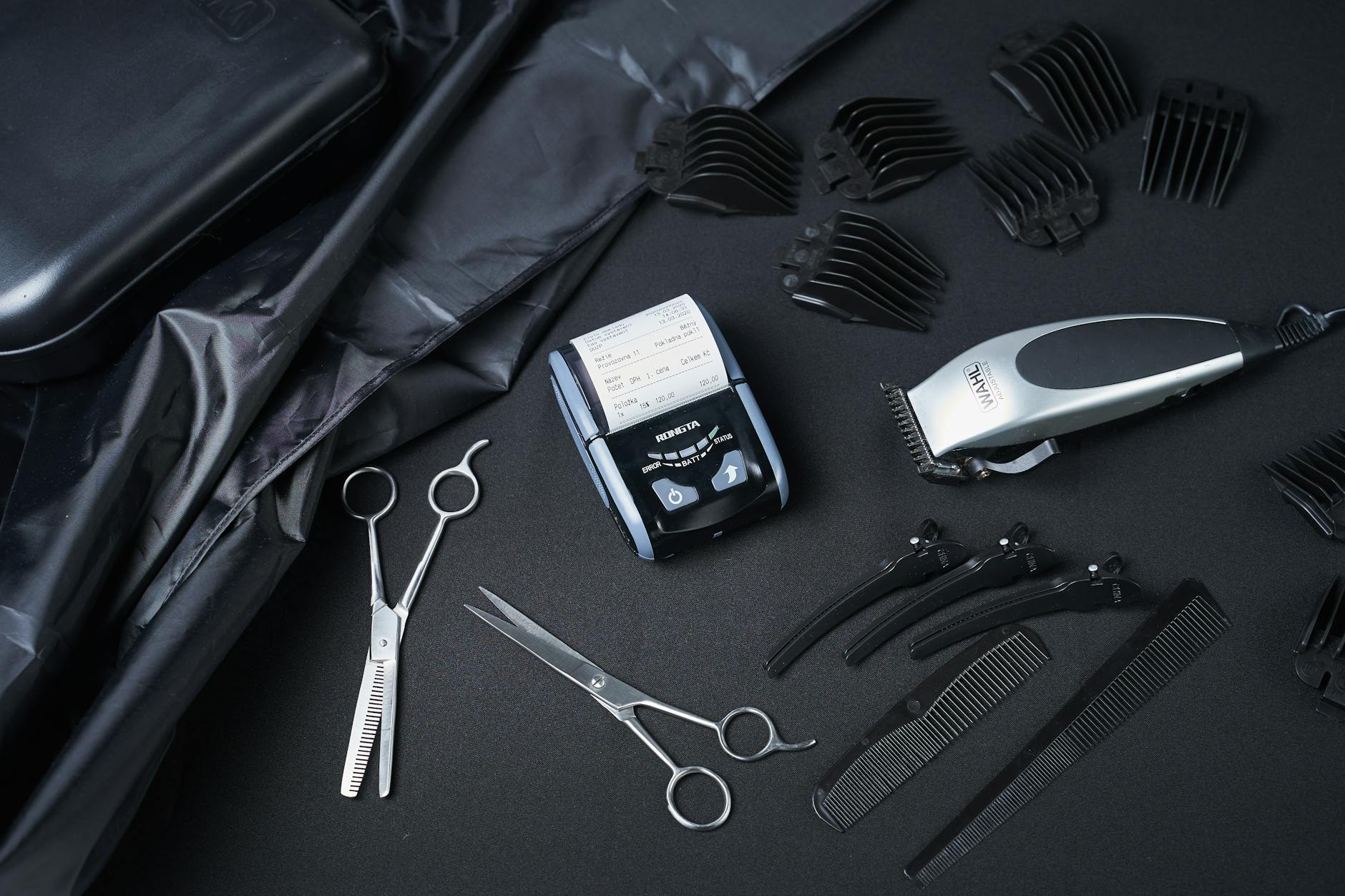
The Mijia Hair Clipper 2 Set is being sold at ¥189 (roughly $26–27). The boxed kit reportedly includes 2–14 mm and 16–28 mm adjustable combs, a charging cable, cleaning brush, lubricating oil, sponge, cape and a comb. Xiaomi has positioned the bundle as an affordable, all-in-one grooming solution for home use.
Why it matters
Mijia is Xiaomi’s smart-home sub-brand, and this launch underscores how Chinese device makers are expanding simple, connected hardware across everyday categories — from fridges to hair clippers. Does it carry geopolitical baggage? Not directly; consumer grooming gadgets are largely outside the scope of Western sanctions that focus on telecoms and advanced semiconductors. Still, the release is a reminder that Chinese firms continue to scale consumer-facing IoT offerings even as broader trade tensions shape supply chains.