Fangchengbao (方程豹) to unveil first sedan “Mei 7” (镁 7) at 2026 Beijing Auto Show, standard with BYD (比亚迪) flash‑charging technology
Lead: a new sedan — and BYD flash charging as standard
Fangchengbao (方程豹) confirmed it will publicly unveil its first-ever sedan during the 2026 Beijing Auto Show, with the model shown as “Mei 7” (镁 7) in teasers and company materials. The big selling point? The car will come standard with BYD (比亚迪) flash‑charging technology, a feature that positions the newcomer alongside established Chinese EV players on charging convenience and fast energy replenishment.
Design and technical claims
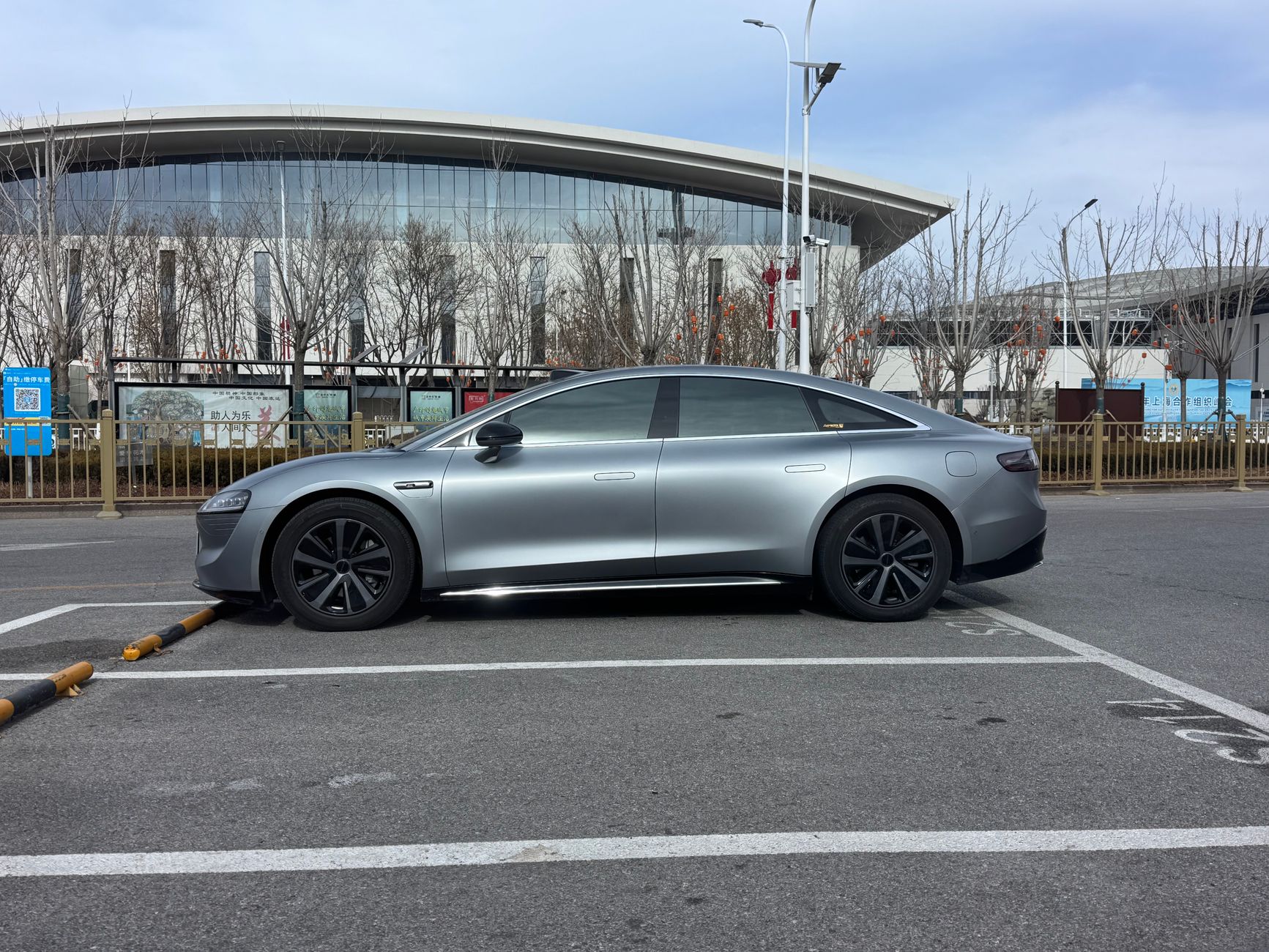
Previews and previously leaked road‑test photos show a sporty fastback over 5 metres long with a 3.1‑metre wheelbase, low nose and flowing surfaces — a clear move toward grand‑tourer proportions rather than compact EV styling. The car features semi‑hidden door handles, a small ducktail spoiler, arcing taillights and rooftop lidar, and multiple external cameras suggesting advanced driver assistance. It has been reported that Fangchengbao will offer a three‑motor layout with peak output approaching 1,000 horsepower and will debut a “Yun Nian‑M” (云辇‑M) intelligent magnetorheological body control system and rear‑wheel steering; these claims remain unverified and are described by the company as aiming to balance track‑level handling with everyday comfort.
Market positioning and geopolitical context
Fangchengbao says the new line emphasizes “looks, fun and strong handling,” and the final name has not been locked — past test cars carried a jumble of labels including “方程,” “镁,” “Formula,” “镭” and “FORA.” The reveal at the Beijing show will be a key moment: can a small Chinese marque translate high‑end hardware and BYD’s flash‑charging into market traction against incumbents such as BYD, NIO and XPeng? Observers note this launch arrives as Chinese EV technology, from batteries to fast‑charging systems, draws increasing global attention amid trade frictions and export scrutiny — a reminder that product innovation now sits alongside geopolitics in the race for electric mobility.