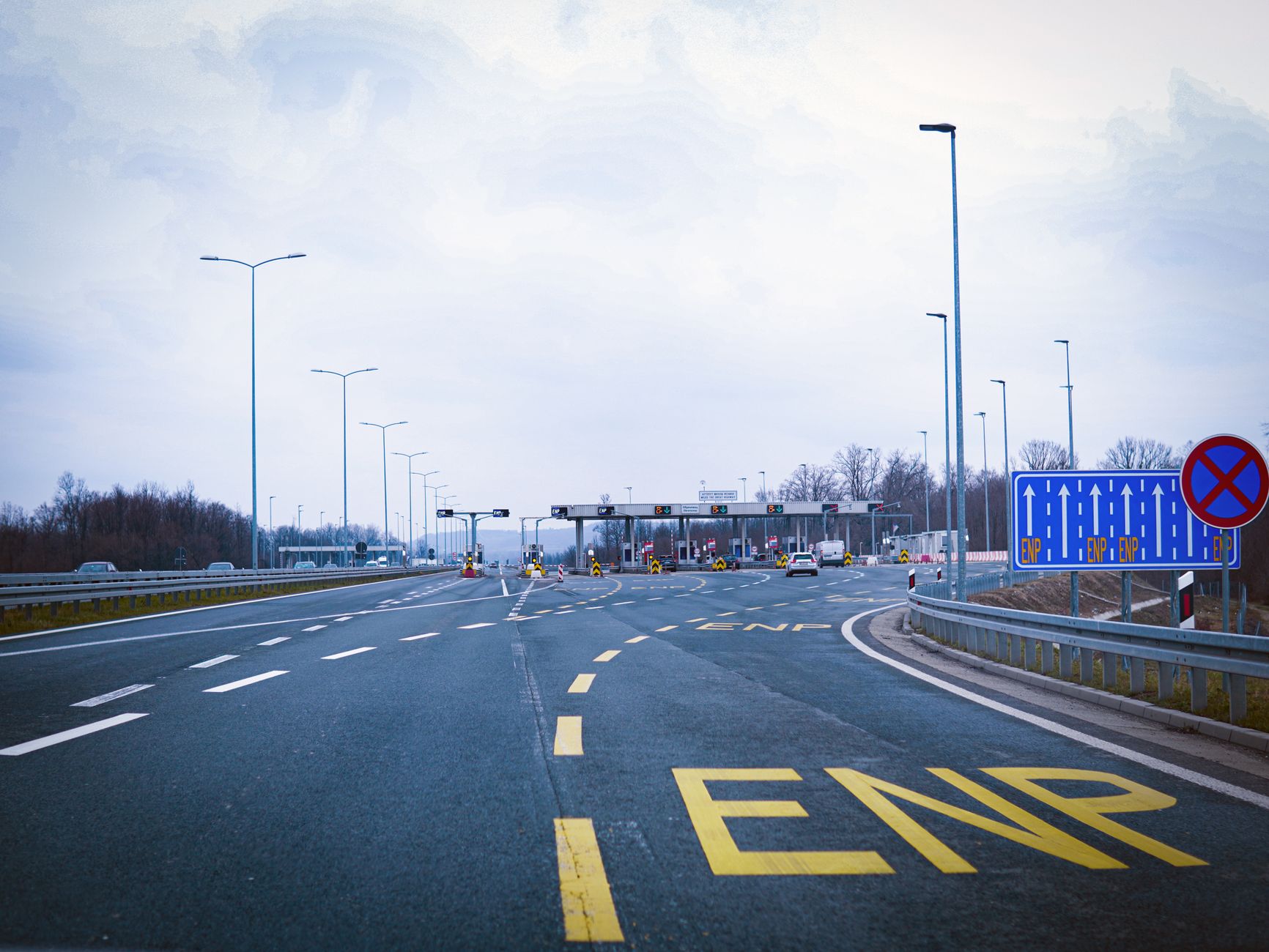
Toll periods for long-established highways expire in many regions nationwide, ushering in a toll-free era
What changed
It has been reported that Guangzhou has announced the South China Expressway Phase I (华南快速路一期) will terminate toll collection after the concession ends on 7 August 2026, with free passage beginning 8 August. The move ends a 27‑year charging history for a 15.6 km, eight‑lane arterial that links Panyu, Haizhu and Tianhe — a route long nicknamed “Guangzhou’s most expensive commute” under a multi‑section 11 yuan fee scheme.
Why it matters
This is not an isolated quirk. Reportedly, a wave of highways built in the 1980s–1990s are now entering concentrated toll‑free periods because the original loans used to build them have been repaid and the concession periods have expired. Examples already or soon freed from tolls include the Guangfo Expressway (广佛高速), Guangzhou North Ring Expressway (广州北环高速), Wuhan Tianhe Airport Expressway (武汉天河机场高速) and Hunan’s Changyong Expressway (湖南长永高速). These are the payoff of an earlier “loan to build, toll to repay” financing model that many local governments adopted.
Not a national policy shift
Drivers should note this is a contractual outcome, not a blanket national policy to abolish tolls. Local authorities and road operators have fulfilled agreements by design — and responsibility for maintenance and future financing will shift back to governments and public budgets. What should drivers do? Expect some routes to become free, but continue to monitor traffic plans and local notices, since changes in funding can affect maintenance schedules and traffic management.
Bigger picture
The developments highlight how China’s infrastructure financing has evolved: decades‑old toll concessions are now maturing, and the transition from user‑pays back to publicly funded maintenance raises questions about budget priorities and transport planning at the municipal level. Will more legacy toll roads become free in the coming years? Given the timing of loan amortizations, the answer is likely yes — but the knock‑on effects will play out differently across regions.