HiCar connectivity is here: Huawei (华为) Enjoy 90 Pro Max (畅享 90 Pro Max) receives HarmonyOS 6.0.0.138 SP23 update
New update brings in-car integration
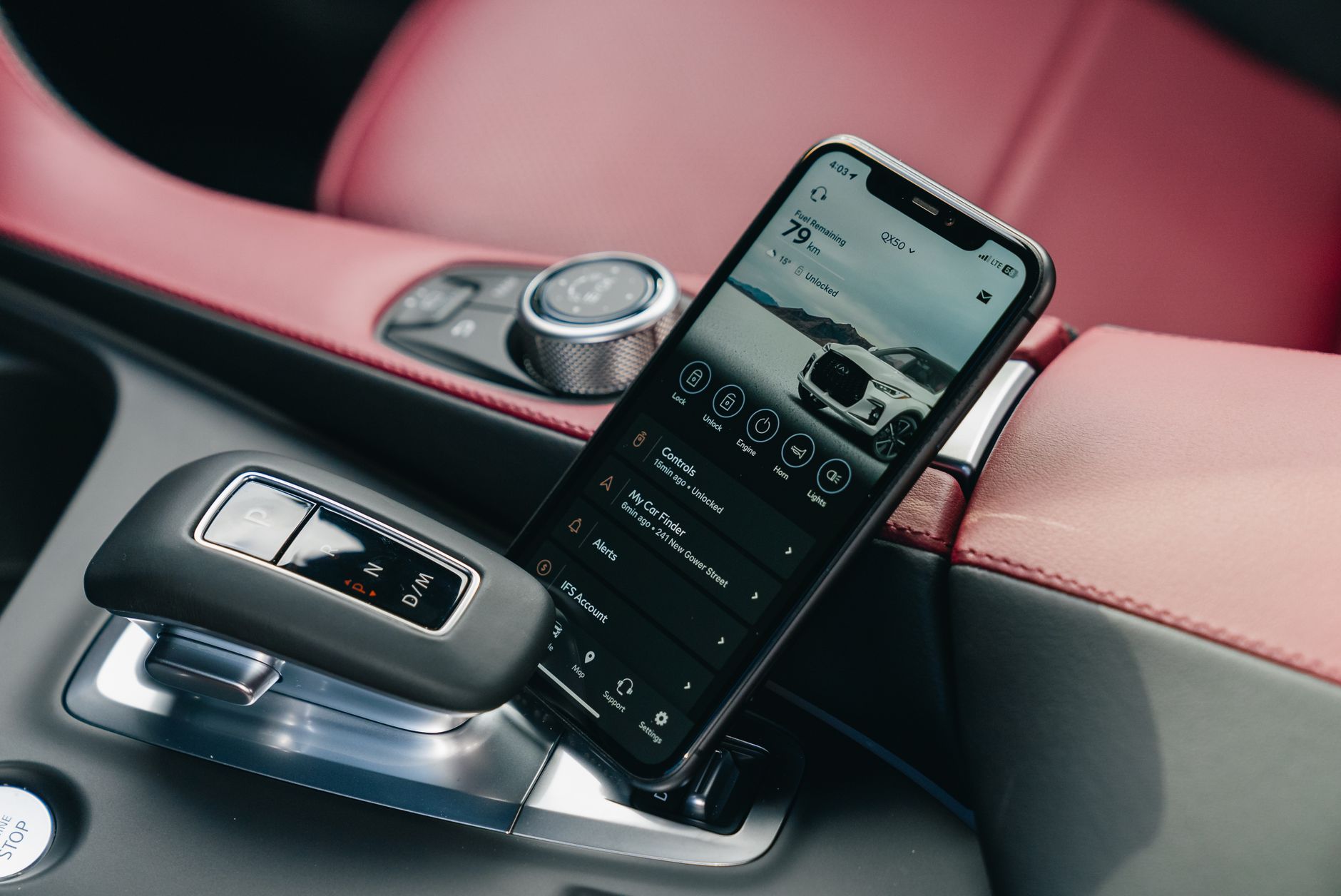
Huawei (华为) has begun rolling out a HarmonyOS 6.0.0.138 SP23 update to the Enjoy 90 Pro Max (畅享 90 Pro Max), and it has been reported that the system package is roughly 483.05 MB. The headline feature is HUAWEI HiCar — the company's in-house car-phone integration service — which lets the phone mirror navigation, music, calls and voice interactions on compatible vehicle head units. Short and practical: your phone now talks to your car.
What HiCar adds — and why it matters
HUAWEI HiCar functions similarly to Apple CarPlay and Android Auto in that it projects core smartphone functions to a car’s infotainment screen, but it is a Huawei-controlled implementation designed for HarmonyOS devices and cooperating automakers. Which cars support it? That depends on the vehicle maker and model; consumers should check compatibility before expecting seamless integration. Reportedly, once paired, the phone can hand off navigation and media to the car while preserving voice-control workflows.
Device positioning, price and purchase context
The Enjoy 90 Pro Max went on sale on April 2 and, it has been reported, targets budget-minded buyers with a Kirin 8-series chip (麒麟 8 系芯), HarmonyOS 6 and a large battery, priced from ¥1,699. For buyers in China there are ongoing digital-appliance government subsidies this year — reportedly up to ¥500 off for items under ¥6,000 — which may further sweeten the deal for some shoppers.
Geopolitical backdrop
Huawei’s continued investment in HarmonyOS and proprietary services like HiCar comes against a backdrop of years of U.S. export controls and trade restrictions that limited the company’s access to some Western software and advanced components. The rollout underscores Huawei’s broader push to build an independent ecosystem that stitches together phones, wearables and cars — and to keep competing in connected-device markets even as geopolitical pressure reshapes supply chains.