China limits pump‑price pass‑through as 92‑octane rises 0.33 yuan/litre; full 50L tank costs +16.5 yuan
Government trims calculated increase to blunt domestic pain
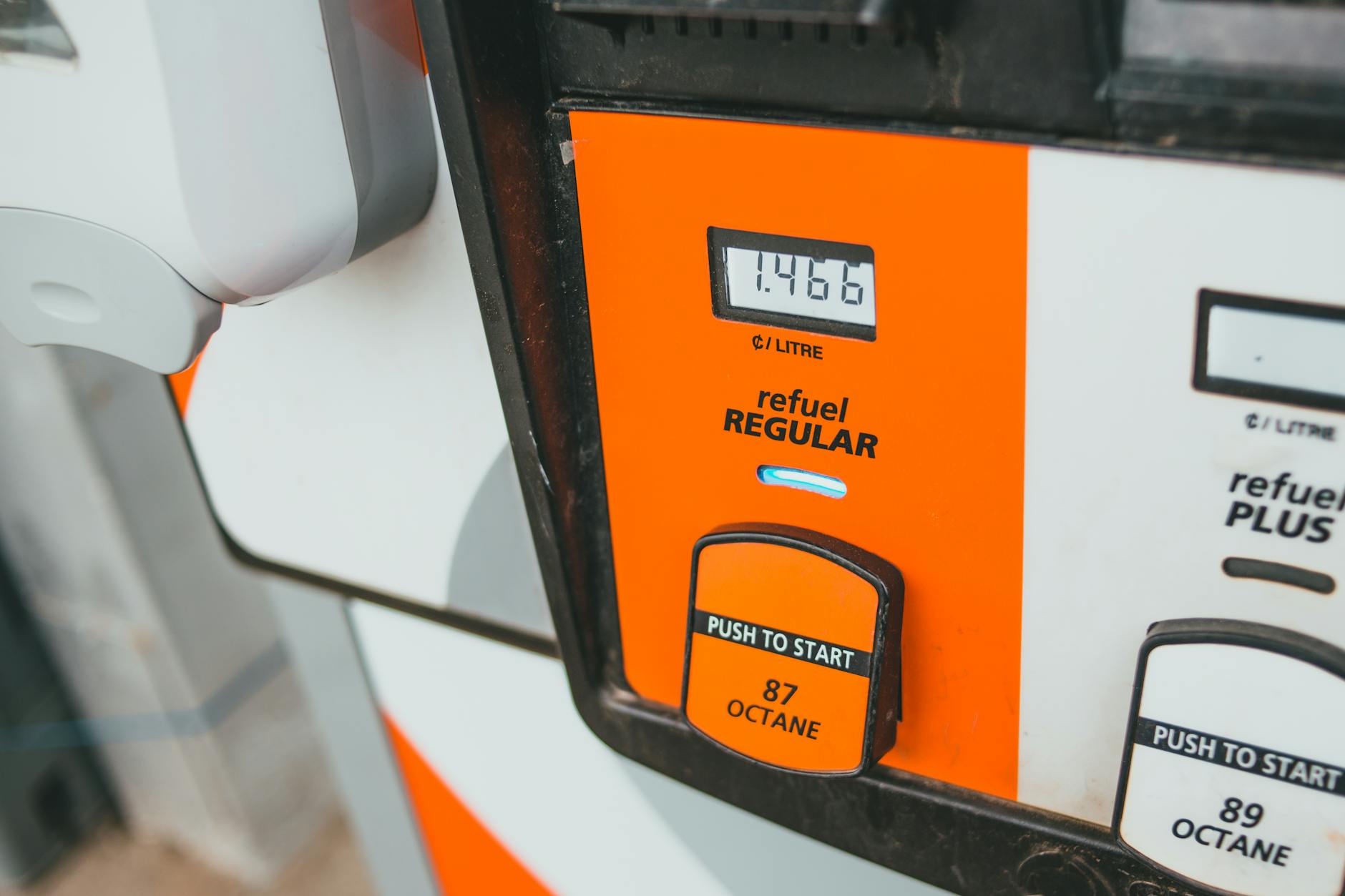
China has again intervened to temper the impact of international oil volatility on retail fuel costs. It has been reported that under the formal fuel‑price mechanism, standard gasoline and diesel should have risen by 800 yuan and 770 yuan per tonne respectively from 24:00 on April 7. Regulators instead implemented smaller adjustments of 420 yuan and 400 yuan per tonne. The result: 92‑octane gasoline is up 0.33 yuan per litre (a reduced pass‑through of 0.31 yuan), and 0# diesel is up 0.34 yuan per litre (a reduced pass‑through of 0.32 yuan). For a typical 50‑litre family car, filling the tank will cost about 16.5 yuan more.
Supply, enforcement and the state oil majors
The National Development and Reform Commission (NDRC, 国家发改委) has ordered refiners to ensure steady production and logistics and to strictly implement national price policy. It has been reported that PetroChina (中国石油), Sinopec (中国石化) and CNOOC (中海油) and other refiners must organize production and transport to safeguard market supply. Local authorities have been told to ramp up market supervision and to punish retailers that fail to follow the mandated prices. Short sentence. Who pays the price if rules are flouted?
Market drivers and geopolitical backdrop
The intervention comes as oil markets remain jittery. It has been reported that New York WTI for May closed at $112.41 per barrel (up 0.78%) and Brent for June closed at $109.77 (up 0.68%) amid fresh concerns over Middle East tensions. Investors fear that military action could damage Iranian infrastructure and further disrupt regional shipping, driving additional volatility. Against a backdrop of sanctions and strained geopolitics, Beijing’s calibrated approach aims to shield domestic consumers and the wider economy from abrupt international swings.