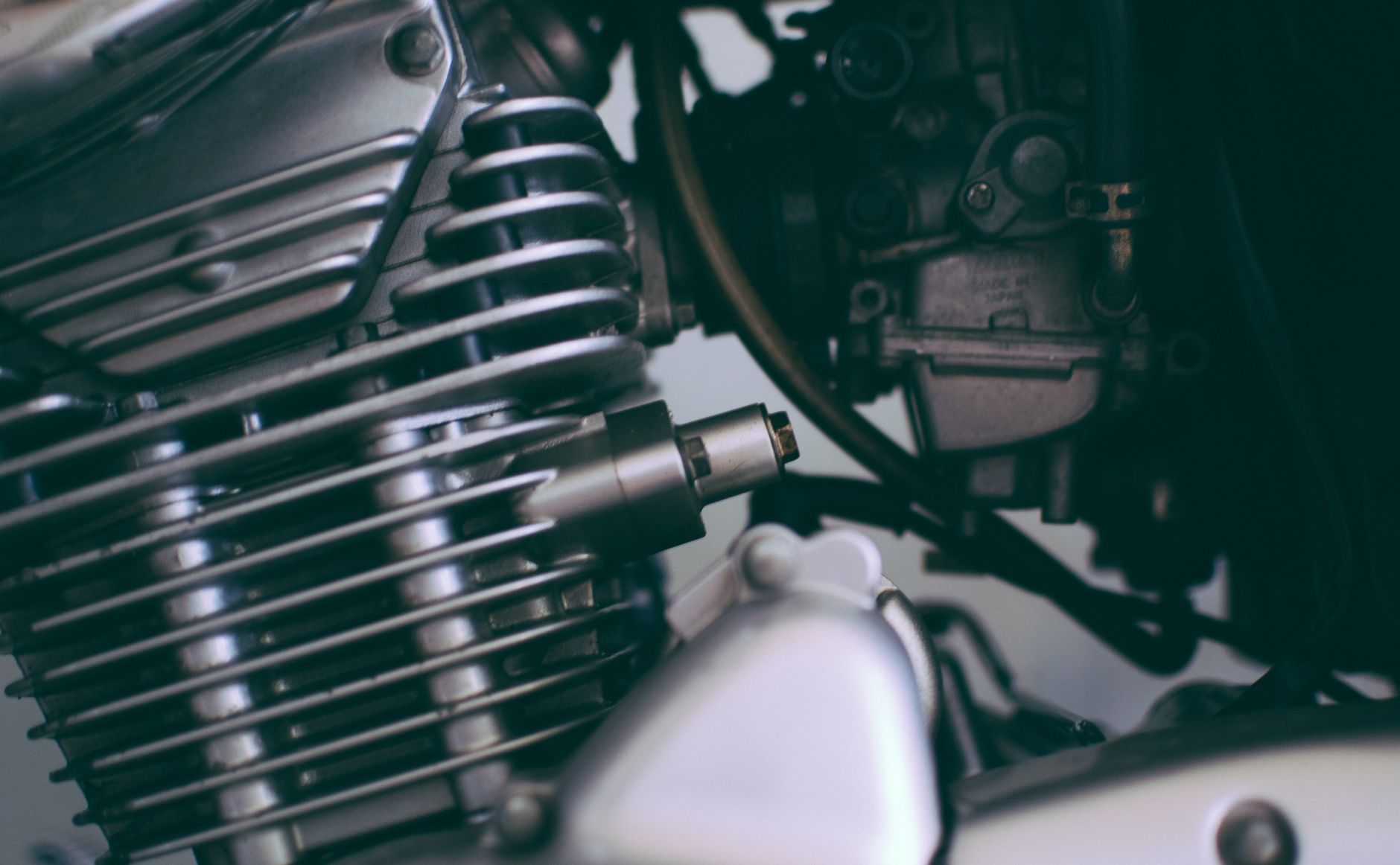
Li Auto (理想汽车) exec hails Zhang Xue's 819cc three‑cylinder as a breakthrough for China’s big‑bike powertrains
Range‑extender chief praises "100%自主" design after WSBK success
Li Auto (理想汽车)'s head of range‑extender systems reportedly said that Zhang Xue Motor (张雪机车)’s new 819cc inline‑three “fundamentally” resolves the longstanding bottleneck for domestically produced large‑displacement motorcycles. It has been reported that the comment, posted by the executive under the Weibo handle @增程强哥 on April 6, praised the team for avoiding reverse‑engineering and securing 17 core invention patents, claiming “100%自主知识产权” for the architecture.
Race performance and technical choices
It has been reported that Zhang Xue’s 820RR race bike—powered by the 819cc inline‑three with a 120° equal‑interval firing order and dual counter‑rotating balance shafts—delivered championship performance in WSBK competition, with published figures of up to 135PS and a 0–100 km/h sprint of 2.81 seconds, sustaining >12,000 rpm stints and a 16,000 rpm redline during race runs. The team’s technical rationale, reportedly, was to choose a forward‑designed triple to sidestep existing Japanese and European patent clusters rather than copy established solutions; the post also claimed core components’ domesticization rates above 90%.
Why motorcycle triples aren’t the same as car triples
Can a high‑revving race triple inform automotive range extenders? Not directly. The article notes—echoing Li Auto’s own experience—that motorcycle triples are tuned for peak power, high revs and minimal mass, whereas automotive three‑cylinder units prioritize fuel economy, low‑frequency NVH and longevity. It has been reported that Li Auto’s product lead, Tang Jing (汤靖), previously explained why early range extenders used triples and why the company later moved to four‑cylinder designs for better perceived NVH in models such as the L9.
Bigger picture: patents, supply chains and strategic autonomy
The exchange is a reminder that powertrain design in China is increasingly about intellectual‑property strategy as much as metallurgy and software. With Japanese makers holding many inline‑four patents and European firms dominating twin‑cylinder sport architectures, Chinese teams say they must find work‑arounds or build new solutions from first principles. Against a backdrop of trade tensions and technology controls, domestic patent portfolios and localized supply chains are becoming strategic assets—difficult and slow to build, but vital if Chinese manufacturers want to compete at the top end rather than merely copy.