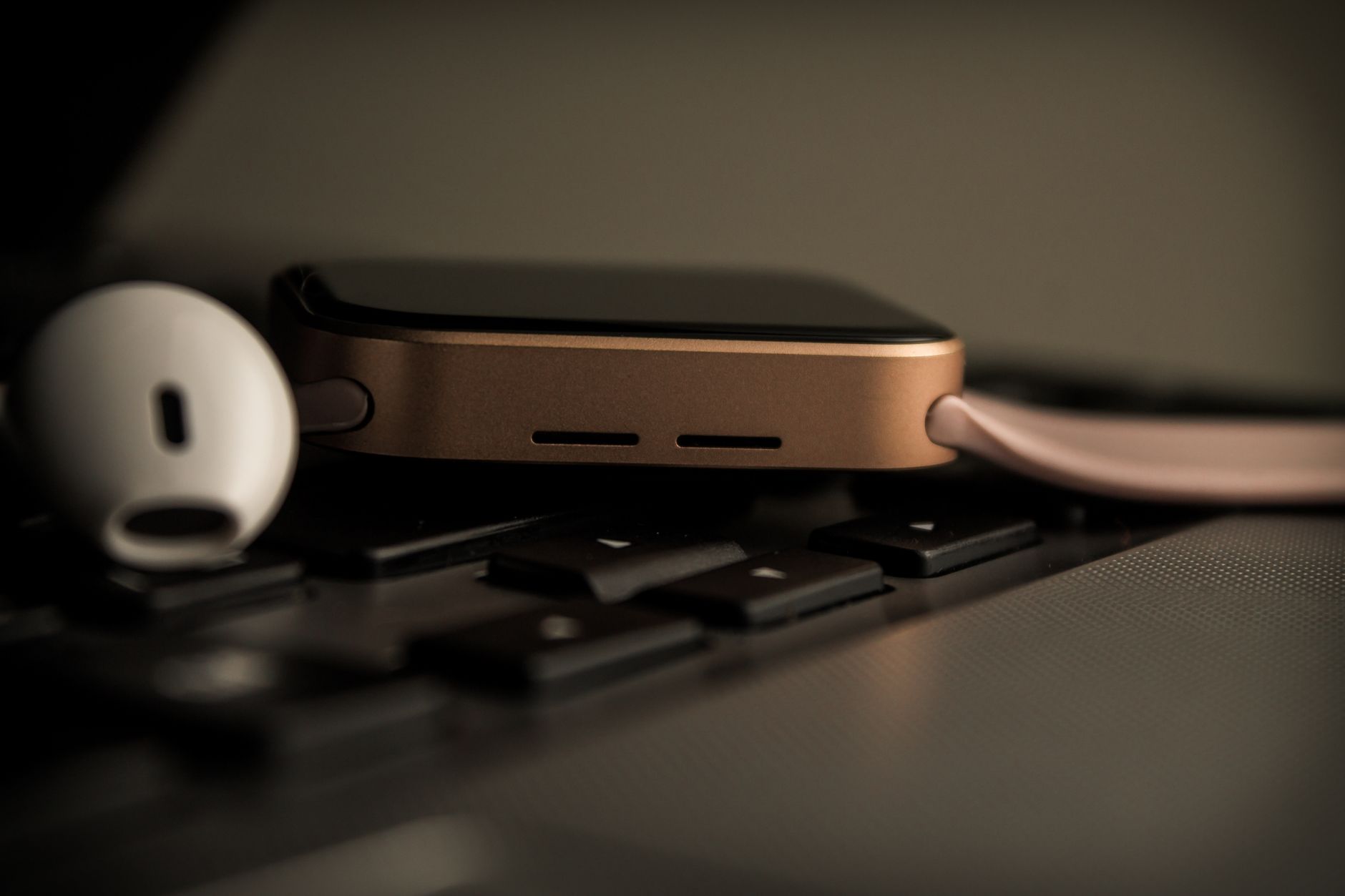
Xiaomi (小米) adds black eSIM version of Watch 5 — dual‑chip, dual‑system at ¥2,299
New eSIM model and price
Xiaomi (小米) has launched a black eSIM variant of the Xiaomi Watch 5 (小米手表 5), priced at ¥2,299 (about $320). It has been reported that the new model supports embedded SIM service from China Unicom (中国联通) and China Mobile (中国移动), bringing always‑on cellular connectivity to the company’s mid‑range smartwatch line. Why add an eSIM option? For users who want untethered voice, payments and maps without carrying a phone.
Hardware and battery
The watch uses double‑sided artificial sapphire glass and a one‑piece stainless‑steel case, and features a 1.54‑inch AMOLED panel with up to 1,500 nits of peak brightness and a 2.6mm ultra‑narrow bezel. It charges via contact pins and ships with a black leather strap. Xiaomi says the device runs a dual‑chip, dual‑system architecture: Qualcomm’s Snapdragon W5 wearable processor (noted by IT之家 as a 4nm design with four A53 cores) paired with a BES2800 low‑power chip. That arrangement reportedly lets the watch run apps like Alipay and maps independently; battery life is advertised as up to six days in performance mode and as long as 18 days in a power‑saving mode.
Sensors, software and carriers
The Watch 5 eSIM adds an ECG sensor alongside an EMG muscle‑signal sensor and supports rich gesture controls for managing Xiaomi’s smart home ecosystem. It also offers 150+ sports modes and introduces “super Xiaoai” voice assistant features on the watch. Reportedly, the new eSIM model will work with China Unicom and China Mobile plans, making it straightforward for domestic customers to add cellular service.
Context for Western readers
Xiaomi is one of China’s largest consumer electronics and IoT companies, and China Unicom and China Mobile are two state‑linked national carriers — important context when considering eSIM availability and pricing. Geopolitically, the reliance on foreign components such as Qualcomm’s Snapdragon family highlights how trade policy and export controls remain factors for Chinese device makers, even as they push features like independent cellular connectivity and expanded health sensors to compete in global wearable markets.