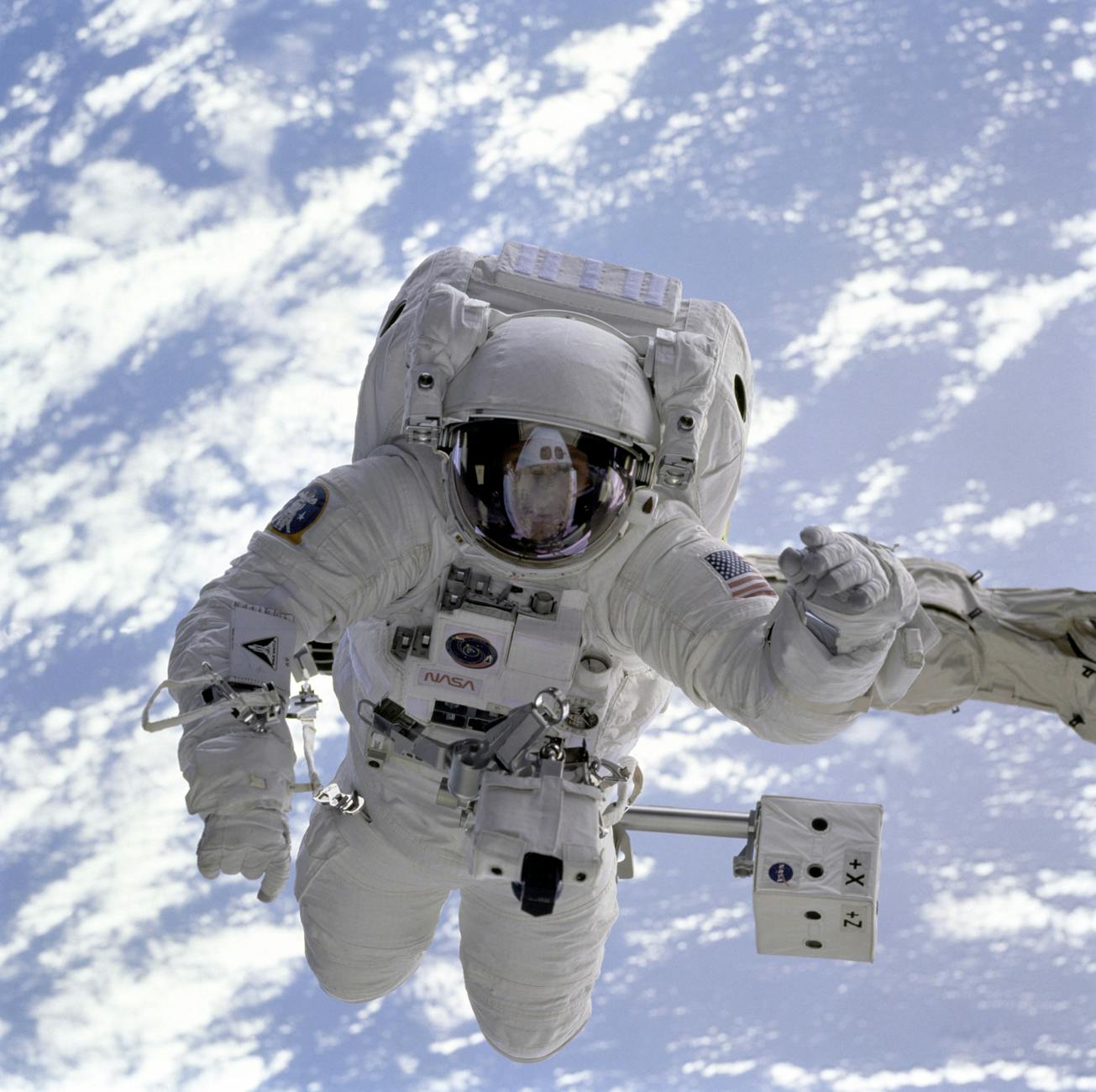
NASA astronaut brings iPhone aboard Artemis II; zero‑gravity toss captured on video
What happened
Artemis II lifted off successfully and, for the first time in decades, NASA appears to have broken a long-standing ban on personal electronics aboard crewed deep‑space missions. It has been reported that astronauts were allowed to carry iPhones — reportedly a Pro model, though NASA has not publicly confirmed the exact hardware — not as flight‑critical equipment but as personal recording devices. A clip circulating on X shows an iPhone gently tossed in microgravity, drifting through the Orion (猎户座) capsule as crewmembers film each other.
How the devices are handled
According to reports, the phones are not technically integrated with spacesuits or spacecraft systems; they are stored in an orange storage pocket on the Orion survival suit during launch and return for safety and convenience. It has been reported that NASA has put strict data‑routing measures in place: personal device traffic cannot link directly to ground, and all data must be carried over the spacecraft’s network and relayed via mission ground stations to ensure security and stability.
Why it matters
Why does a smartphone on a lunar‑orbit mission matter? Because it signals a shift in how consumer technology and human spaceflight coexist. Smartphones are powerful sensors and communication tools — useful for public outreach and crew morale, but also potential vectors for data and interference. While this policy change is not directly tied to export controls or sanctions, it comes amid heightened US‑China tech competition and tighter controls on technology transfer, reminding observers that even a simple device can intersect with national‑security concerns.
Public reaction and next steps
The footage — short, human, and oddly banal against the backdrop of a lunar mission — has quickly become a talking point online. For now, NASA’s approach appears cautious: permit limited personal use, confine connectivity through mission systems, and monitor how consumer devices perform in space. More official details on approved models and formal rules will likely follow as Artemis II continues its mission and agencies assess the practical and security implications.